
Veridact
TechSportsFinanceGaming🎯 PredictionsAbout
Sign InSign Up
Veridact

AI-powered anticipation analysis. We cover tech, sports, finance, and gaming events before they happen — with historical context, scenario modeling, and evolving coverage.

Stay ahead of the story

Analysis delivered before events unfold.

Coverage

  • Tech
  • Sports
  • Finance
  • Gaming

Company

  • About Us
  • Privacy Policy

© 2026 Veridact. AI-assisted analysis platform.

Analysis is AI-generated and not professional financial, legal, or medical advice.

Gaming
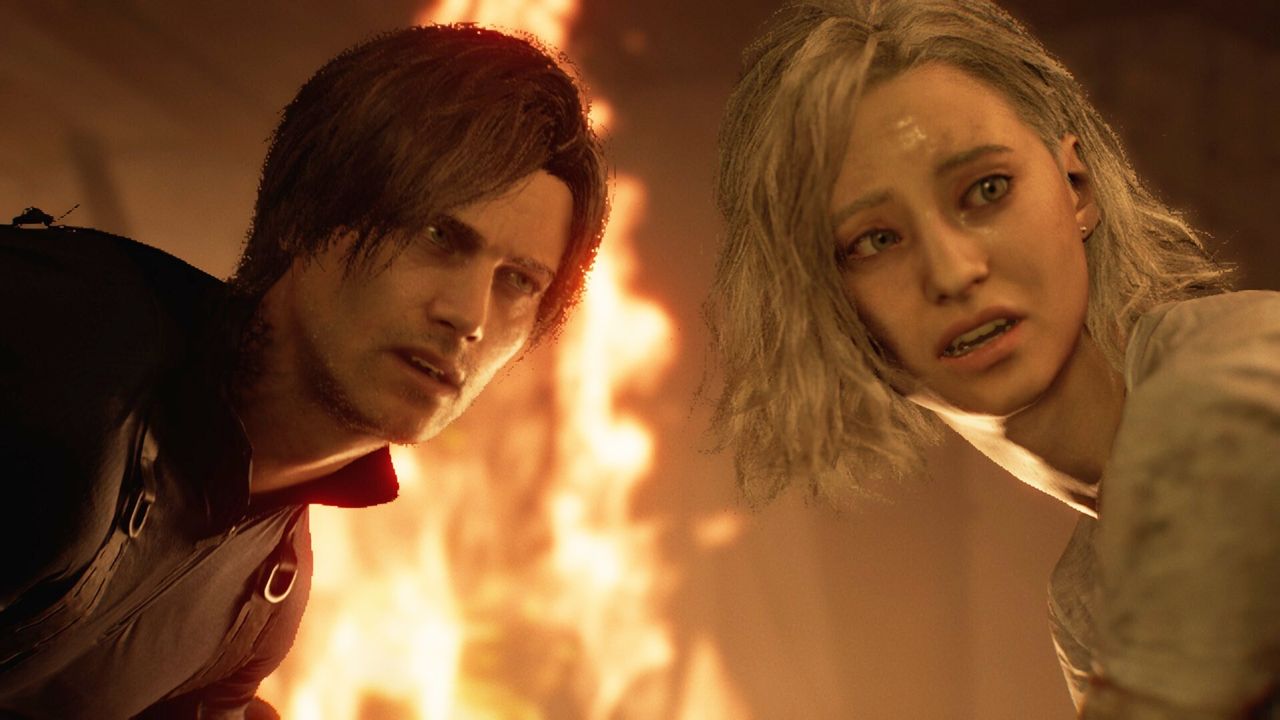
We could get a Resident Evil game set in Japan someday as producer Masato Kumazawa reveals the development team 'has given it some thought'

Image: courtesy of PC Gamer

gamingJune 6, 2026By Veridact EditorialUpdated Jun 6

Capcom's Home Turf: Why a Resident Evil Game Set in Japan is Finally on the Table

For three decades, Capcom's premier survival horror franchise has traveled the globe, from the American Midwest to rural Europe and the African savannah. Now, Resident Evil producer Masato Kumazawa has revealed that the development team is actively considering bringing the series back to its home country of Japan.

What to Expect

A Resident Evil game set in Japan would mark a radical departure from the series' established aesthetic. Historically, the franchise has leaned heavily into Western action-cinema tropes, gothic European horror, and decaying Americana. Shifting the action to Japan opens up a treasure trove of unique atmospheric possibilities. Players could find themselves navigating the claustrophobic, rain-slicked neon alleys of Tokyo, exploring abandoned Shinto shrines in dense, foggy forests, or dealing with the sterile, terrifying corridors of a high-tech corporate facility in Osaka.

From a gameplay perspective, this shift would likely alter how players interact with their environment. Traditional Japanese architecture, with its sliding paper doors and wood-frame construction, offers very little physical protection compared to the heavy stone castles of Europe or the barricaded wooden safehouses of the American South. This structural vulnerability could heighten the tension, making players feel constantly exposed. Additionally, the developers could draw deep inspiration from classic J-horror cinema—films like Ringu and Ju-On—focusing more on psychological dread, lingering shadows, and supernatural-tinged biological threats rather than straightforward creature features.

Key Context

Despite being developed by Capcom, a legendary Japanese company based in Osaka, the Resident Evil series has almost entirely avoided Japan as a setting. When the original game launched in 1996, creator Shinji Mikami and his team deliberately chose a Western setting—the fictional Midwestern town of Raccoon City—to appeal to a global audience. At the time, Hollywood action and horror films were the gold standard for cinematic storytelling, and Capcom wanted to capture that specific energy. This strategy paid off spectacularly, turning Resident Evil into a multi-billion-dollar global powerhouse.

Over the years, the franchise has visited Spain, Africa, Eastern Europe, and Louisiana, but Japan has remained conspicuously absent from the mainline map. The closest the series has come to its home turf has been in spin-off media, light-gun shooters, or brief lore mentions. On June 4, 2026, producer Masato Kumazawa broke this long-standing silence during a media interaction, admitting that the creative minds at Capcom have finally given serious thought to a Japanese setting. This admission comes at a time when Capcom is riding a massive wave of critical and commercial success, giving the developers the financial security and creative freedom to take bigger risks with their flagship intellectual property.

Related Coverage

CD Projekt Red reveals huge The Witcher 3 sales milestone, which helps explain why a third expansion is in development 11 years later→

Historical Patterns

Capcom has a well-documented history of using localized settings to completely reinvent the feel of Resident Evil. When the franchise began to feel stale in the early 2000s, Resident Evil 4 shifted the action to a rural European village, introducing a grey, depressing color palette and a tense, cult-dominated atmosphere that revitalized the entire industry. Years later, Resident Evil 7: Biohazard stripped away the globetrotting action of its predecessor and locked players inside a decaying plantation house in Dulvey, Louisiana. This dramatic shift back to isolated, swampy Americana saved the franchise from creative exhaustion.

Looking at the broader gaming market, games set in Japan have experienced a massive surge in global popularity. Titles like Ghost of Tsushima, the Like a Dragon series, and Capcom's own Monster Hunter have proven that international audiences do not need Western settings to connect with a game. By bringing Resident Evil to Japan, Capcom would be following a proven industry pattern: taking a globally recognized brand and injecting it with distinct, culturally rich local flavor to spark a new era of fan curiosity and critical acclaim.

The potential relocation of Resident Evil to Japan represents a major shift in how Capcom views its global audience and its own creative heritage. For decades, Japanese game developers felt pressured to westernize their products to achieve commercial success in North America and Europe. This dynamic has changed entirely. Modern players actively seek out culturally authentic experiences, and Capcom no longer needs to disguise its roots to sell millions of copies.

Furthermore, this move would allow Capcom to bridge the gap between biological sci-fi and psychological J-horror. The Resident Evil franchise has always grounded its terrors in viruses, parasites, and corporate greed. Fusing these hard science-fiction elements with the eerie, atmospheric dread of Japanese folklore and urban legends could create a highly original sub-genre of horror. It would also allow the development team to work with familiar, local environments, potentially resulting in a level of environmental detail and cultural nuance that simply cannot be replicated when designing foreign locales from an office in Osaka.

Potential Outcomes

Analysis

One potential outcome is that Capcom introduces a Japanese setting in a major spin-off title or a standalone expansion rather than a mainline numbered entry. This approach would allow the developers to test player reception and experiment with J-horror mechanics without risking the massive commercial expectations of a mainline Resident Evil 9 or 10. If successful, this project could lay the groundwork for a broader thematic shift in the franchise's future.

Another highly likely scenario is that Capcom integrates Japan into a mainline game as part of a multi-location narrative. Given the global reach of organizations like Neo-Umbrella or the BSAA, a future game could feature a protagonist starting their investigation in a Western country before tracking a biological outbreak back to a sprawling, high-tech corporate headquarters in Tokyo. This would satisfy the desire for a Japanese setting while maintaining the familiar international espionage elements that long-time fans expect.

Timeline

1996-03-22
The Western Foundation
Capcom releases the original Resident Evil, setting the game in a mansion outside the fictional American town of Raccoon City to appeal to global cinematic tastes.
2005-01-11
The European Shift
Resident Evil 4 launches, moving the franchise to a rural, unnamed European village and establishing a pattern of shifting geographic settings to renew gameplay mechanics.
2017-01-24
Southern Gothic Revival
Resident Evil 7: Biohazard releases, shifting the setting to rural Louisiana and returning the series to its survival horror roots with an intimate, localized story.
2026-06-04
Japan Setting Confirmed under Consideration
Producer Masato Kumazawa publicly reveals that the Resident Evil development team has actively discussed and given thought to setting a future game in Japan.

Frequently Asked Questions

No mainline Resident Evil game has been set in Japan. The franchise has primarily focused on North America, Europe, Africa, and occasionally South America or fictional Asian territories like Lanshiang in Resident Evil 6. Japan has only appeared in minor lore references or non-canon spin-off material.

Discussion

0/100
0/1000

Be the first to share your thoughts.

Related Coverage

gaming

Gears of War E-Day Confirms Horde and Versus as Xbox Rebuilds Its Legacy

Jun 9
gaming

Capcom's Monster Hunter: World Hits 30 Million Sales, Redefining Global Action-RPGs

Jun 9
gaming

Sega’s Subscription Playbook: Why Persona 4 Revival on Game Pass is More Than a Licensing Deal

Jun 8
gaming

Capcom's Final Fantasy Crossover Is a Brilliant Business Move That Exposes Fighting Game Fandom's Deepest Rift

Jun 8

Stay ahead of the story

AI analysis delivered before events unfold. No spam.

ⓘ

Disclosure: This article contains AI-assisted analysis based on publicly available information.