
Veridact
TechSportsFinanceGaming🎯 PredictionsAbout
Sign InSign Up
Veridact

AI-powered anticipation analysis. We cover tech, sports, finance, and gaming events before they happen — with historical context, scenario modeling, and evolving coverage.

Stay ahead of the story

Analysis delivered before events unfold.

Coverage

  • Tech
  • Sports
  • Finance
  • Gaming

Company

  • About Us
  • Privacy Policy

© 2026 Veridact. AI-assisted analysis platform.

Analysis is AI-generated and not professional financial, legal, or medical advice.

Gaming
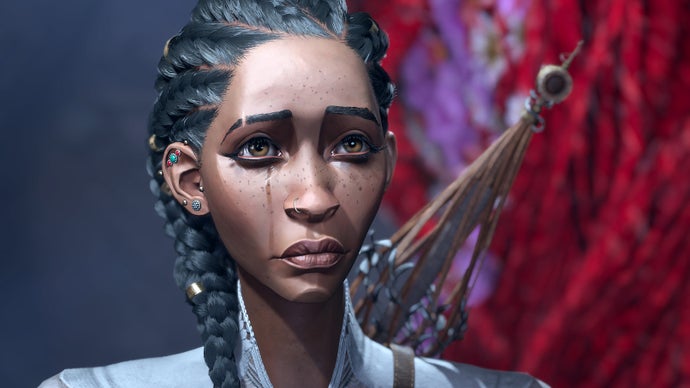
Microsoft reportedly negotiating closures of multiple Xbox studios, including Psychonauts' Double Fine, South of Midnight's Compulsion and Hellblade's Ninja Theory

Image: courtesy of EuroGamer

gamingJune 17, 2026By Veridact EditorialUpdated Jun 17

Reports Suggest Microsoft Considering Closure of Xbox Studios Including Double Fine, Ninja Theory

Microsoft is reportedly in discussions to close several of its Xbox Game Studios, a move that could significantly reshape its first-party content strategy. Among the studios named in these reports are Double Fine Productions, known for 'Psychonauts'; Compulsion Games, developers of 'South of Midnight'; and Ninja Theory, the team behind 'Hellblade.' This potential consolidation follows a period of aggressive acquisitions by Microsoft and raises immediate questions about the future of specific game franchises, the diversity of content on Xbox Game Pass, and the broader financial health of Microsoft's gaming division.

What to Expect

The reports, if accurate, indicate a strategic re-evaluation within Microsoft's Xbox division. Should these closures proceed, players could expect a shift in the type of exclusive content prioritized for Xbox Game Pass. Studios like Double Fine, with its legacy of unique, story-driven games, and Ninja Theory, known for its narrative action titles, represent a particular creative niche. Their potential closure suggests Microsoft may be narrowing its focus towards specific genres or larger-scale, higher-budget productions that align more directly with perceived market demands or Game Pass subscriber growth targets.

For the affected studios, the immediate outcome would be job losses and the cessation of ongoing projects. While intellectual property (IP) typically remains with the parent company, the creative teams that built those worlds would be disbanded. This could mean a significant delay, or even the permanent shelving, of future installments or new titles within these franchises. Fans of 'Psychonauts,' 'Hellblade,' and 'South of Midnight' would face uncertainty regarding the future of these beloved series.

From a corporate perspective, such closures would be seen as a cost-cutting measure and a streamlining of operations following Microsoft's multi-billion dollar acquisitions, including ZeniMax Media (Bethesda) and Activision Blizzard. It indicates a push for greater efficiency and potentially a more disciplined approach to capital allocation within the gaming portfolio. This could lead to a leaner studio structure, but also risks alienating portions of the player base who value the creative diversity that smaller, more experimental studios bring to the Xbox ecosystem.

Key Context

Microsoft has spent the better part of a decade aggressively expanding its Xbox Game Studios portfolio, culminating in the acquisition of ZeniMax Media for $7.5 billion in 2021 and Activision Blizzard for nearly $69 billion in 2023. These moves were widely seen as an effort to bolster Xbox's first-party content pipeline and make its subscription service, Game Pass, an indispensable offering in the gaming market.

Double Fine Productions, led by industry veteran Tim Schafer, was acquired by Microsoft in 2019. The studio is celebrated for its critically acclaimed 'Psychonauts' series, with 'Psychonauts 2' being a standout title released post-acquisition. Compulsion Games, known for 'We Happy Few,' was also acquired in 2018 and is currently developing 'South of Midnight,' a highly anticipated exclusive. Ninja Theory, acquired in 2018, gained significant recognition for 'Hellblade: Senua's Sacrifice' and recently released 'Senua's Saga: Hellblade II' directly into Game Pass.

These studios represent a segment of Xbox's creative output that often prioritized unique artistic vision and narrative depth over mass-market appeal. The reported negotiations come at a time when the broader gaming industry is experiencing significant consolidation, alongside rising development costs and increased scrutiny on profitability. Even large publishers are re-evaluating their portfolios, with many seeing layoffs and project cancellations across the sector.

Historical Patterns

The history of the gaming industry is replete with examples of large publishers acquiring smaller, often creatively driven, studios only to later close them down. This pattern is not exclusive to Microsoft, though the company has its own history here. Electronic Arts, for instance, has a long track record of absorbing and eventually shuttering studios like Westwood Studios (known for 'Command & Conquer') and Pandemic Studios ('Mercenaries,' 'Star Wars: Battlefront'). Sony, too, has consolidated its internal studios over the years.

Microsoft itself has made similar decisions in the past. Notable examples include the closure of Lionhead Studios, the creators of 'Fable,' in 2016, and the cancellation of 'Fable Legends,' a title that was in development at the time. These decisions often stem from a combination of factors: projects failing to meet internal targets, shifts in corporate strategy, or a desire to streamline resources towards more profitable ventures.

In many cases, an acquisition offers a studio financial stability and access to greater resources. However, it also brings the expectation of delivering specific commercial or strategic results within a larger corporate framework. When those expectations are not met, or when the parent company's strategic priorities shift, even critically acclaimed studios can find themselves vulnerable. This often leads to a centralization of development efforts around fewer, larger projects deemed to have a higher return on investment, sometimes at the expense of creative diversity.

The reports of Microsoft considering studio closures are more than just an isolated business decision; they touch on core tensions within the modern gaming industry. This action, if confirmed, would have significant implications for several reasons.

First, it forces a critical examination of Microsoft's broader Xbox strategy, particularly after its multi-billion dollar investments in acquiring numerous development teams. The stated goal of these acquisitions was to strengthen Xbox's first-party content and enhance Game Pass. If studios acquired for their unique creative output are now being considered for closure, it suggests a potential pivot away from a broad, diverse portfolio towards a more concentrated effort on specific, likely larger-scale, titles. This could narrow the creative scope of Xbox's offerings.

Second, for Game Pass subscribers, the value proposition hinges on a consistent flow of both blockbuster and diverse, unique experiences. Studios like Double Fine and Compulsion Games have contributed to the latter, offering distinct artistic visions that differentiate Game Pass. Should these studios close, it could diminish the perceived breadth and variety of content, potentially impacting subscriber retention and growth by reducing the 'something for everyone' appeal.

Third, there is the human cost and the impact on creative talent. Developers at these studios, many of whom are highly skilled and passionate, face job insecurity. Such events can have a chilling effect across the industry, raising questions about the stability offered by large corporate umbrellas and potentially driving talent away from larger publishers towards independent development or other tech sectors. It challenges the narrative that acquisition guarantees long-term creative freedom and security.

Finally, it represents a moment of reckoning for the economics of game development. Even for a company with Microsoft's resources, balancing the cost of maintaining a vast network of studios with the need for profitable returns is a constant challenge. These reported closures suggest that even critical acclaim or a dedicated fanbase may not be enough to secure a studio's future if it doesn't align with evolving corporate financial targets or strategic visions for platforms like Game Pass. It highlights the brutal realities of consolidation in an increasingly expensive entertainment sector, where creative risks are often weighed against shareholder value.

Potential Outcomes

Analysis

The current reports of Microsoft negotiating studio closures present several possible paths forward, each with distinct consequences for Xbox, the affected studios, and the broader gaming landscape.

One potential outcome is the confirmed closure of all named studios, including Double Fine, Compulsion Games, and Ninja Theory. This would result in widespread layoffs, the cancellation of any unannounced projects, and the absorption of intellectual property into Microsoft's larger Xbox portfolio. In this scenario, Microsoft would likely issue official statements detailing the restructuring, focusing on efficiency and strategic realignment. This would be a clear signal of a more concentrated first-party strategy.

Alternatively, Microsoft may pursue partial closures or significant restructuring. This could mean that not all named studios are closed, or that some teams are merged into larger, existing studios. For instance, parts of a team might be retained to work on specific intellectual property under a different studio banner, or development on a particular franchise might be handed off. This approach would allow Microsoft to reduce costs while potentially retaining key talent or highly valued game assets, albeit under new organizational structures.

Another possibility is that the reports prove premature or inaccurate in their full scope. While the initial reports suggest negotiations, Microsoft could ultimately decide against wholesale closures, perhaps opting for different forms of cost reduction or strategic adjustments. This might involve scaling back certain projects, reassigning resources, or exploring alternative models for studio operations. A public denial or a statement emphasizing continued support for its studios could follow if the reports are deemed to be mischaracterizing the internal discussions.

Finally, though less likely mid-negotiation, some of the studios' intellectual property or even entire smaller teams could be spun off or acquired by other companies. This scenario is more common when a parent company fully divests assets rather than closing them, but it remains a theoretical possibility if a buyer emerges for a specific studio or its key franchises, offering Microsoft an alternative to outright closure while still offloading operational costs. However, given Microsoft's strategy of owning IP for Game Pass, this is a less probable outcome for its more prominent studios.

Timeline

2018-06-10
Ninja Theory and Compulsion Games Acquired
Microsoft announces the acquisition of Ninja Theory and Compulsion Games during its E3 press conference, integrating them into Xbox Game Studios.
2019-06-09
Double Fine Productions Joins Xbox
Microsoft confirms the acquisition of Double Fine Productions, adding the acclaimed studio to its growing roster of first-party developers.
2021-03-09
ZeniMax Media Acquisition Completed
Microsoft finalizes its $7.5 billion acquisition of ZeniMax Media, bringing Bethesda Softworks and its associated studios (e.g., Arkane, id Software) into the Xbox family.
2023-10-13
Activision Blizzard Acquisition Completed
Microsoft completes its $68.7 billion acquisition of Activision Blizzard, significantly expanding its gaming portfolio with major franchises like Call of Duty and World of Warcraft.
2024-05-07
Tango Gameworks and Arkane Austin Closed
Microsoft closes Arkane Austin, the studio behind Redfall, and Tango Gameworks, developer of Hi-Fi Rush. This move indicates a willingness to consolidate its studio portfolio.
2026-06-16
Reports Emerge of Studio Closure Negotiations
Reports surface indicating that Microsoft is negotiating the potential closure of multiple Xbox Game Studios, including Double Fine, Compulsion Games, and Ninja Theory.

Frequently Asked Questions

This means that external sources have reported that Microsoft is in discussions or planning stages to shut down these studios. It is not a confirmed announcement from Microsoft itself, but rather information that has emerged through industry channels. While these reports often prove accurate in some form, the final decisions are still subject to internal processes and formal announcements.

Discussion

0/100
0/1000

Be the first to share your thoughts.

Related Coverage

gaming

Mark Hamill Joins 'Twisted Metal' Season 3, Deepening Its Game Roots

Jun 17
gaming

Lego's KPop Demon Hunters Set: A Bold Play for New Fanbases

Jun 17
gaming

Beyond Haptics: Sony Patents Controller Buttons That Change Feel Mid-Game

Jun 17
gaming

Behind the $3.6 Billion Lifeline: How Close Bungie Came to the Brink Before Sony's Rescue

Jun 16

Stay ahead of the story

AI analysis delivered before events unfold. No spam.

ⓘ

Disclosure: This article contains AI-assisted analysis based on publicly available information.