
Veridact
TechSportsFinanceGaming🎯 PredictionsAbout
Sign InSign Up
Veridact

AI-powered anticipation analysis. We cover tech, sports, finance, and gaming events before they happen — with historical context, scenario modeling, and evolving coverage.

Stay ahead of the story

Analysis delivered before events unfold.

Coverage

  • Tech
  • Sports
  • Finance
  • Gaming

Company

  • About Us
  • Privacy Policy

© 2026 Veridact. AI-assisted analysis platform.

Analysis is AI-generated and not professional financial, legal, or medical advice.

Gaming
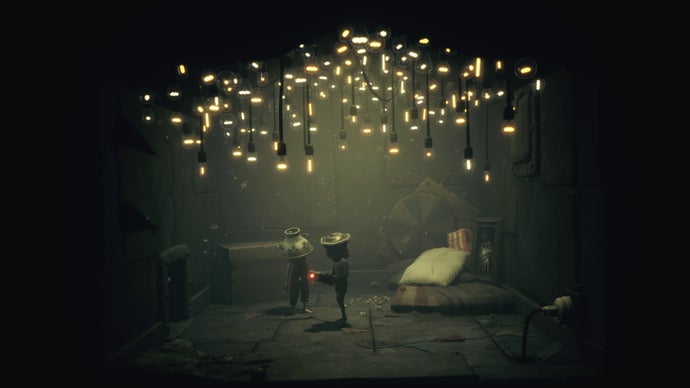
Little Nightmares 3 – The Backstage wants you to meet The Puppeteer

Image: courtesy of EuroGamer

gamingJune 14, 2026By Veridact EditorialUpdated Jun 14

Supermassive Games Reveals 'The Puppeteer' as Little Nightmares 3 Faces Its Biggest Creative Test

Bandai Namco's preview of Little Nightmares 3 introduces 'The Puppeteer,' a menacing new antagonist stalking a theater-themed area called 'The Backstage.' As the first mainline entry developed by Supermassive Games rather than series creator Tarsier Studios, the title represents a critical test of whether an external studio can preserve the delicate, silent horror that made the franchise a cult hit.

What to Expect

The newly revealed 'Backstage' area serves as the setting for a confrontation with 'The Puppeteer,' a towering, multi-limbed figure that treats the game's dual protagonists, Low and Alone, as literal marionettes. Unlike the damp, industrial horror of previous settings, this environment leans heavily into theatrical dread, filled with discarded props, rigging, and mechanical hazards. Players must use the game's new cooperative mechanics—Low's bow and Alone's wrench—to solve environmental puzzles while avoiding detection.

The presence of cooperative play changes the fundamental dynamic of the series, shifting the experience from isolated survival to coordinated escape, which could alter the franchise's signature feeling of vulnerability.

Key Context

The Little Nightmares franchise was originally created by Swedish developer Tarsier Studios, which established the series' signature visual style and silent storytelling across two highly successful titles. However, after Tarsier was acquired by Embracer Group in 2019, intellectual property rights remained with publisher Bandai Namco.

Looking to continue the franchise, Bandai Namco handed development duties for the third installment to Supermassive Games, a studio best known for choice-driven cinematic horror like Until Dawn and The Dark Pictures Anthology. This transition has created natural skepticism among fans, as Supermassive's traditional design philosophy relies heavily on quick-time events and explicit dialogue, contrasting with the wordless, physics-based platforming of the original games.

Historical Patterns

Studio handovers in beloved gaming franchises frequently struggle to replicate the precise creative chemistry of the original creators. When BioShock 2 was handed to 2K Marin, or when Silent Hill shifted to Western developers, the results often leaned more on mechanical replication than atmospheric innovation.

However, Supermassive is not entirely new to this universe, having previously developed the enhanced edition of Little Nightmares 2. This suggests the studio understands the technical foundation of the engine, though creating a full-scale sequel from scratch presents a significantly higher creative hurdle.

This transition highlights a broader industry trend where publishers retain valuable intellectual property while original creators move on to new ventures. For Bandai Namco, Little Nightmares 3 is a test of whether a franchise's brand identity can survive independent of its creators. If successful, it proves that atmospheric horror can be systematized and handed to external studios, securing a long-term future for the IP. If it fails to capture the original's charm, it may serve as a cautionary tale about the limits of publisher-driven sequels.

Potential Outcomes

Analysis

One possible outcome is that the addition of online and AI-controlled co-op successfully modernizes the franchise, making it more accessible to a broader audience without sacrificing the tension, resulting in strong sales and positive reviews.

Alternatively, while mechanically sound, the game may struggle to replicate the uncanny, unsettling atmosphere of Tarsier's entries, leading purists to criticize it as a polished but soulless imitation.

Another scenario is that the transition to a new engine and the implementation of complex cooperative puzzles leads to launch-day bugs that disrupt the immersion essential for horror games.

Timeline

December 2019
Tarsier Acquired
Embracer Group acquires Tarsier Studios, while Bandai Namco retains the rights to the Little Nightmares IP.
August 2023
Sequel Announced
Bandai Namco officially announces Little Nightmares 3 at Gamescom, revealing Supermassive Games as the new developer.
June 13, 2026
The Backstage Reveal
Bandai Namco releases the 'Backstage' preview, showcasing The Puppeteer and detailing the cooperative mechanics.

Frequently Asked Questions

The game is being developed by Supermassive Games, taking over from the original creator, Tarsier Studios.

Discussion

0/100
0/1000

Be the first to share your thoughts.

Related Coverage

gaming

Mark Hamill Joins 'Twisted Metal' Season 3, Deepening Its Game Roots

Jun 17
gaming

Lego's KPop Demon Hunters Set: A Bold Play for New Fanbases

Jun 17
gaming

Beyond Haptics: Sony Patents Controller Buttons That Change Feel Mid-Game

Jun 17
gaming

Reports Suggest Microsoft Considering Closure of Xbox Studios Including Double Fine, Ninja Theory

Jun 17

Stay ahead of the story

AI analysis delivered before events unfold. No spam.

ⓘ

Disclosure: This article contains AI-assisted analysis based on publicly available information.