
While Stardew Valley built its massive, enduring player base on the gentle rhythms of planting parsnips, raising livestock, and wooing local villagers, its sequel is carving out a noticeably different identity. Eric Barone, working independently under the moniker ConcernedApe, revealed in an interview published on October 13, 2026, that Haunted Chocolatier places a much greater emphasis on active combat, equipment hunting, and boss fights. Players will still engage in the familiar social loops of moving to a new town, interacting with residents, and building a storefront—in this case, running a sweet shop out of a haunted castle. Yet the subterranean loops are expanding. Barone explicitly noted that the title caters directly to the segment of his original audience that spent their days descending into deep, monster-filled mines rather than tending backyard crops.
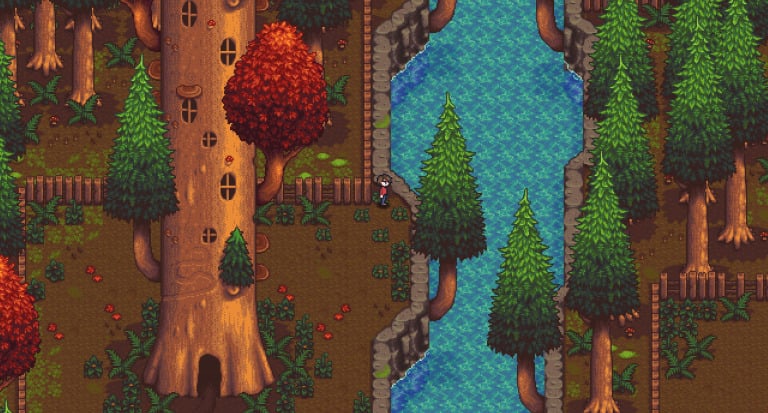
Image: courtesy of Kotaku
Inside Haunted Chocolatier: Why Eric Barone Is Pivoting From Farming to Combat
Eric Barone, the developer behind Stardew Valley, has shared new details about Haunted Chocolatier, clarifying that its mechanics lean heavily into action role-playing elements designed specifically for players who gravitated toward mining and combat in his first title.
Outlook
Background
The project was first announced to the public in October 2021, following a year of solo development that began in late 2020. Five years later, the title remains without an official release window, though Barone has maintained a characteristically unhurried approach to production. Unlike traditional commercial studios backed by external publishers, Barone funds and codes the entire experience by himself, insulating the creative process from corporate milestone pressure. This independent structure explains why development timelines stretch outward without triggering panic among fans. Stardew Valley itself took over four years to build before its 2016 launch, and has since sold tens of millions of copies while expanding through major free updates. Haunted Chocolatier utilizes a similar pixel-art aesthetic and top-down perspective, leading many observers to initially assume it would be a reskinned agricultural simulator. The latest disclosures confirm a distinct mechanical shift toward dungeon exploration and active gear progression.
See also
Precedents
Independent developers who create genre-defining hits frequently face an immense creative paradox when designing follow-up titles. The market demands replication of the exact comfort and mechanics that drove the original success, while creators naturally crave mechanical evolution to prevent artistic stagnation. This tension mirrors the trajectory of Toby Fox following Undertale, or Jonathan Blow after Braid. When a solo creator builds a sprawling systemic world, players form deep emotional attachments to the pacing and atmosphere, making structural pivots risky. By leaning into combat and boss encounters for Haunted Chocolatier, Barone is deliberately splitting his focus between the cozy town simulation that made him famous and the more aggressive dungeon-diving loops that attracted a specific subset of Stardew Valley veterans.
The commercial success of indie games increasingly hinges on community trust rather than marketing spend. When a single developer controls every line of code and artistic asset, the product becomes an unvarnished reflection of individual taste, warts and all. Barone's transparent communication style—offering rare, unscripted updates rather than glossy trailer drops—has cultivated a player base that accepts long development cycles without demanding corporate accountability. For the broader gaming industry, Haunted Chocolatier serves as a test case for whether a beloved cozy-game architect can successfully transition his audience into a faster-paced, combat-heavy framework without breaking the magical atmosphere that defined his initial breakout.
Scenarios
AnalysisOne possible outcome is that the heavier combat focus alienates casual Stardew Valley fans who preferred peaceful farming, while drawing in a new crowd of action-RPG enthusiasts. Alternatively, the blend of cozy town life and deeper dungeon mechanics could capture the exact same multi-genre appeal, cementing Barone as a master of dual-identity game design. A third scenario involves prolonged development bottlenecks, as balancing fast-paced combat systems alongside complex shop-management and social simulation loops frequently introduces unexpected design delays for solo developers.
Timeline
Frequently Asked Questions
Discussion
Be the first to share your thoughts.