
Image: courtesy of EuroGamer
The September Bottleneck: How the Fear of GTA 6 is Ruining the Gaming Calendar
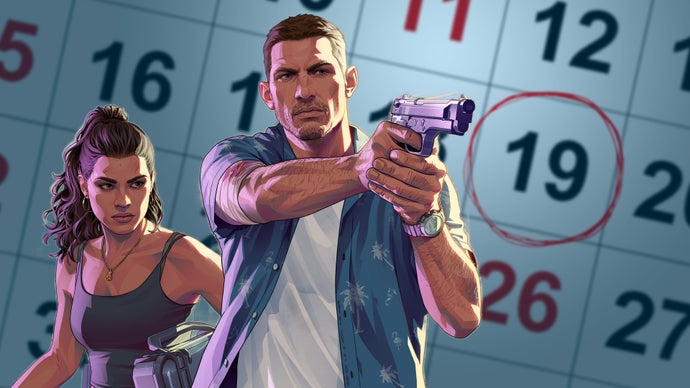
The shadow of Grand Theft Auto 6 is distorting the entire video game industry long before its release. Terrified of being crushed by Rockstar’s juggernaut, rival publishers are frantically shifting their release dates to September. This mass exodus from the late-autumn window is creating an artificial, self-inflicted bottleneck. Instead of finding safety, these games are running directly into an overcrowded market where they will have to fight each other for survival.
What to Expect
The autumn release calendar is beginning to look like a highway during a hurricane evacuation. Almost every major publisher is trying to squeeze their prized intellectual properties into a narrow window in September. The logic seems sound on paper: get your game out, secure your sales, and clear the field before the GTA 6 marketing machine goes into overdrive. But when everyone uses the same escape hatch, the exit gets blocked.
Players only have so much money and, perhaps more importantly, only so much free time. Squeezing ten massive, eighty-hour role-playing games and action-adventure titles into a single four-week span is a recipe for commercial disaster. Some of these projects, which have been in development for five or six years, will inevitably be ignored simply because they did not have room to breathe. The industry is trading a slow-motion collision with Rockstar for a chaotic, multi-car pileup in September.
Key Context
To understand the panic, you have to understand the sheer, unprecedented scale of Grand Theft Auto. Its predecessor, Grand Theft Auto V, has sold over 200 million copies since its debut in 2013, making it one of the most profitable entertainment products in history. It is not just a video game; it is a cultural event that monopolizes the attention of the global entertainment ecosystem.
When a new entry launches, it does not just compete with other video games. It competes with streaming platforms, movie theaters, professional sports, and social media. Streamers on Twitch and YouTube will play nothing else for weeks. Digital storefronts like Steam, the PlayStation Store, and the Xbox Network will feature GTA 6 on their homepages to the exclusion of almost everything else. For a mid-budget or even a major AAA game, trying to launch in that environment is the equivalent of opening a local coffee shop next to a newly opened, free-admission theme park. You will not just lose casual customers; you will lose the core audience that keeps your business alive.
Related Coverage
Historical Patterns
This is not the first time the industry has fled from a Rockstar release, but the scale of the current flight is unprecedented. In October 2018, Rockstar released Red Dead Redemption 2. In the months leading up to that launch, we saw a massive migration of titles. Games like Call of Duty: Black Ops 4 moved their traditional November release dates up to October, while other major franchises fled entirely to the early months of the following year.
The strategy worked for some, but it left the holiday season strangely barren and turned the early months of 2019 into a chaotic, crowded battleground. A similar phenomenon occurred during the long, agonizing buildup to Cyberpunk 2077, where multiple developers repeatedly delayed their games just to avoid sharing a release week with CD Projekt Red's highly anticipated RPG. The difference now is that the cost of game development has skyrocketed. A AAA game in 2026 can cost upwards of $200 million to produce. With those kinds of numbers on the line, boardrooms are far less willing to take risks, leading to the collective, herd-like behavior we are seeing with the September bottleneck.
The financial health of several major game studios hangs in the balance of this scheduling crisis. When a company spends five years developing a game, its entire quarterly—and sometimes annual—financial performance relies on that single launch window. If a game launches in an overcrowded September and fails to find an audience within its first two weeks, it is effectively dead. Retailers will slash prices, digital algorithms will stop promoting it, and the studio may face immediate layoffs or closure.
This is not an exaggeration; we have seen numerous storied studios shut down over the past few years after a single high-profile flop. By fleeing GTA 6, publishers are trying to protect their investments, but their collective panic is creating the exact environment of financial risk they are trying to avoid. It reveals a fundamental lack of coordination and strategic imagination in the gaming industry, where companies act like schooling fish, darting in unison from one perceived threat only to swim directly into another.
Potential Outcomes
AnalysisAnalysis of the current scheduling trends suggests three potential paths for the industry:
First, we may witness a September Bloodbath. Several highly anticipated games will launch in September, but only one or two will achieve commercial success. The rest will suffer from poor sales, leading to immediate price drops, canceled post-launch support, and potential layoffs at the affected studios.
Second, a Spring Flight could occur. Recognizing that September is a trap, several publishers will blink at the last minute. They will announce sudden delays, pushing their games out of 2026 entirely and into the first quarter of 2027, turning the early months of next year into an incredibly crowded release window.
Third, the Rockstar Delay Ripple remains a distinct possibility. Rockstar Games has a long history of delaying its projects. If GTA 6 gets pushed from its late 2026 target into 2027, the entire autumn release schedule will have been cleared out for nothing, leaving a massive, lucrative holiday season completely empty of major releases while September remains absurdly overcrowded.
Timeline
Frequently Asked Questions
Discussion
Be the first to share your thoughts.