
Veridact
TechSportsFinanceGaming🎯 PredictionsAbout
Sign InSign Up
Veridact

AI-powered anticipation analysis. We cover tech, sports, finance, and gaming events before they happen — with historical context, scenario modeling, and evolving coverage.

Stay ahead of the story

Analysis delivered before events unfold.

Coverage

  • Tech
  • Sports
  • Finance
  • Gaming

Company

  • About Us
  • Privacy Policy

© 2026 Veridact. AI-assisted analysis platform.

Analysis is AI-generated and not professional financial, legal, or medical advice.

Gaming
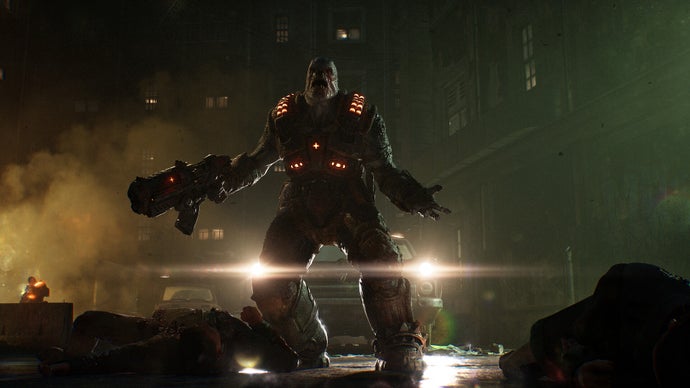
Yes, Gears of War: E-Day is bringing back Horde and Versus, even if they were barely mentioned

Image: courtesy of EuroGamer

gamingJune 9, 2026By Veridact EditorialUpdated Jun 9

Gears of War E-Day Confirms Horde and Versus as Xbox Rebuilds Its Legacy

On June 8, 2026, developers at The Coalition quietly settled a major question hanging over their newly announced prequel, Gears of War: E-Day. While the dramatic reveal trailer focused entirely on the story of Marcus Fenix and Dom Santiago on the day the Locust emerged, many fans wondered what would happen to the game's famous multiplayer. The studio has now confirmed that both the cooperative Horde mode and competitive Versus mode will return. This decision marks a significant shift for the franchise. Instead of trying to chase modern gaming trends with complex new modes, the developers are returning to the core features that made the series a household name. This move aims to win back long-time players who felt left behind by recent experimental entries.

What to Expect

When players jump into Gears of War: E-Day, they will find a multiplayer experience that feels deeply familiar yet visually transformed. The confirmation of Horde and Versus modes means that the two pillars of Gears multiplayer are safe. Horde mode, which first appeared in Gears of War 2, tasks a team of players with surviving increasingly difficult waves of enemies. Versus mode offers classic player-versus-player combat.

However, the prequel setting introduces unique design challenges. Because the game takes place on Emergence Day—fourteen years before the original game—the technology and weapons must reflect that era. Players will not have access to the advanced weaponry seen in Gears 4 or Gears 5. Instead, they will use early-war equipment. This means the return of the retro Lancer, with its physical bayonet, alongside early versions of classic COG and Locust gear.

The Coalition faces the task of balancing nostalgia with modern gameplay expectations. The developers are building the game from the ground up using Unreal Engine 5. This technology allows for highly detailed environments and more realistic physics. But players do not just want pretty graphics. They want the heavy, tactical movement that defined the early trilogy.

Will the movement feel slow and deliberate like the original 2006 title, or fast and fluid like Gears 5? The studio must find a middle ground. Versus mode will likely lean into the intense, close-quarters shotgun battles that the community loves. Meanwhile, Horde mode will need to decide whether to keep the complex class systems and fabricator mechanics of recent games or return to the simpler, fortification-focused survival of Gears 3. By keeping these modes central to the package, the studio is signaling that they understand what keeps players logged in months after the campaign ends.

Key Context

To understand why the return of Horde and Versus is so important, we have to look at the rocky path the franchise has traveled. When Epic Games created the original trilogy, Gears of War was the crown jewel of Xbox Live. It popularised the cover-based shooter and created a competitive scene that rivaled Halo. Horde mode, in particular, was so successful that almost every major action game in the industry copied it.

When Microsoft acquired the franchise and handed development to The Coalition, the new studio tried to put its own stamp on the series. Gears 5, released in 2019, was a technical masterpiece but left many competitive players cold. The studio introduced "Escape," a three-player cooperative mode where players had to run through a toxic hive. While innovative, Escape split the community's attention and required significant development resources. At the same time, the game's Versus mode suffered from frequent balance changes and a controversial monetization system at launch.

Over the last few years, the multiplayer shooter market has changed dramatically. Players have grown tired of overly complicated live-service games that feel like second jobs. Many are looking for straightforward, highly polished experiences they can play with friends. By focusing on Horde and Versus, The Coalition is cutting away the fat. They are abandoning experimental modes like Escape to focus all their energy on perfecting the experiences that fans actually want to play. This is a tactical retreat to safe ground, allowing the studio to rebuild the franchise's foundation.

Related Coverage

God of War Laufey is bringing back the original trilogy's faster combat→

Historical Patterns

The decision to return to classic modes is a pattern we see across the entire video game industry. When long-running series try to chase new gameplay trends, they often lose the identity that made them popular in the first place.

We saw this clearly with Halo Infinite. 343 Industries tried to modernise the classic arena shooter by adding open-world elements and complex progression systems. While the core gameplay was praised, the lack of classic modes and slow content updates hurt player retention. Similarly, Electronic Arts struggled with Battlefield 2042 when they removed traditional classes and tried to copy popular hero shooters. In both cases, the developers had to spend years releasing updates to bring back the traditional features that players demanded from the start.

The Coalition is trying to avoid this painful cycle. By announcing the return of Horde and Versus early, they are reassuring the community that they do not need to worry about missing features. They are learning from the mistakes of their peers. Instead of launching a game with a dozen half-baked modes, they are focusing on two highly polished experiences. This historical lesson shows that in gaming, sometimes the best way forward is to look backward.

The stakes for Gears of War: E-Day go far beyond simple nostalgia. This game is a vital test for Microsoft's gaming division. Xbox has spent billions of dollars acquiring studios, yet they still struggle to release consistent, system-selling exclusive titles. Gears of War is one of the few legacy brands that can still move hardware and drive subscriptions for Xbox Game Pass.

For The Coalition, the pressure is immense. They must prove that they can capture the dark, horror-infused tone of the original games while delivering a modern multiplayer experience. The decision to bring back Horde and Versus is a direct response to player feedback. It shows that the studio is listening to its community rather than relying solely on data-driven corporate strategies.

This move also changes how we think about the future of the franchise. If E-Day succeeds by stripping away modern gimmicks, it could set a new standard for how legacy franchises are handled. It suggests that players do not always want endless innovation. Sometimes, they just want a highly polished, visually stunning version of the game they fell in love with twenty years ago. The success of this game will determine whether Gears of War remains a premier Xbox franchise or becomes a relic of the past.

Potential Outcomes

Analysis

There are two primary ways this strategy could play out when the game eventually launches.

In the first scenario, the focus on classic modes pays off spectacularly. By dedicating all their resources to Horde and Versus, The Coalition delivers the most polished and balanced multiplayer experience in the series' history. The return to a darker, grittier atmosphere attracts both lapsed veterans and new players who are tired of bright, colorful battle royale games. Horde mode becomes a cooperative staple on Xbox Game Pass, while Versus mode sparks a revival in the competitive scene, proving that classic tactical shooters still have a audience.

In the second scenario, the return to legacy modes feels outdated rather than nostalgic. If the gameplay tuning is too slow or lacks modern conveniences, younger players may find the experience frustrating. Without a new, innovative mode to draw in audiences who did not grow up with the original games, E-Day could struggle to maintain a high player count after the initial launch buzz fades. The studio would find themselves caught in a trap where they please a small group of hardcore fans but fail to grow the franchise for the future.

Timeline

2006-11-07
The Original Launch
Epic Games releases the original Gears of War on Xbox 360, establishing the franchise.
2008-11-07
Horde Mode Arrives
Gears of War 2 launches, introducing the cooperative Horde mode to the world.
2019-09-10
Gears 5 Launches
The Coalition releases Gears 5, introducing Escape mode and a semi-open world campaign.
2026-06-08
Classic Modes Confirmed
Developers confirm that Horde and Versus modes will return for the prequel Gears of War: E-Day.

Frequently Asked Questions

Yes, developers have confirmed that the game will feature both cooperative and competitive multiplayer modes.

Discussion

0/100
0/1000

Be the first to share your thoughts.

Related Coverage

gaming

Capcom's Monster Hunter: World Hits 30 Million Sales, Redefining Global Action-RPGs

Jun 9
gaming

Sega’s Subscription Playbook: Why Persona 4 Revival on Game Pass is More Than a Licensing Deal

Jun 8
gaming

Capcom's Final Fantasy Crossover Is a Brilliant Business Move That Exposes Fighting Game Fandom's Deepest Rift

Jun 8
gaming

The Multiplatform Shift: Why Atlus Bringing Persona 6 to Xbox and PC on Day One Changes Everything

Jun 8

Stay ahead of the story

AI analysis delivered before events unfold. No spam.

ⓘ

Disclosure: This article contains AI-assisted analysis based on publicly available information.