
In the coming months, players can expect Xbox to try new ways to win back the people who cancelled their subscriptions. Since raising prices caused so many people to leave, Microsoft is unlikely to raise the cost of Game Pass again anytime soon. Instead, they might offer cheaper plans with ads, or let players buy access to single games for a smaller monthly fee. Game creators who put their titles on the service are also watching closely. If there are fewer people using the service, those creators will get paid less, which might make them hesitate to partner with Xbox in the future.
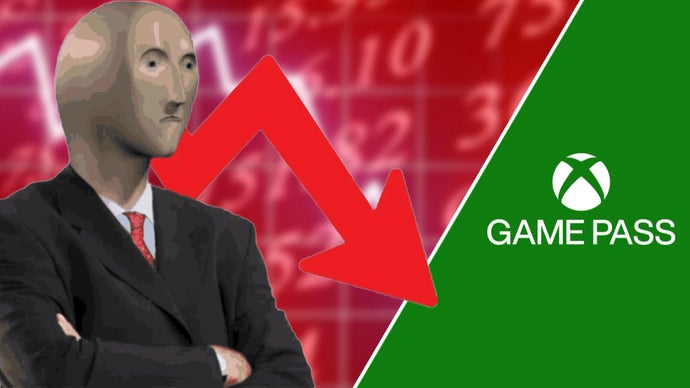
Image: courtesy of EuroGamer
Xbox Lost Millions of Game Pass Subscribers After Raising Prices, Executive Admits
On June 9, 2026, the chief strategy officer for Xbox shared a surprising update about their game subscription service, Game Pass. When Xbox raised the price of the service in 2025, millions of players decided to stop paying for it. For years, Microsoft told players that Game Pass was the best deal in gaming. But when the price went up, many families and players decided they could no longer afford it or that it was not worth the extra money. This admission shows that even the biggest gaming companies face limits on how much money they can ask players to pay.
Outlook
Background
The trouble began in mid-2025 when Microsoft made Game Pass more expensive. They did this because they spent billions of dollars buying big game companies like Activision Blizzard, the makers of Call of Duty. Microsoft wanted to put these massive, expensive games into their subscription on day one. To pay for this plan, they raised the monthly price of their top tier, Game Pass Ultimate, and changed how the cheaper tiers worked. They believed players would happily pay more to get these famous games without buying them separately. Instead, millions of users did the math and decided to cancel their accounts entirely.
See also
Precedents
This situation is very similar to what happened to movie streaming services like Netflix and Disney+ a few years ago. When those companies first started, they kept prices very low to get as many users as possible. Once they had millions of customers, they raised their prices to make a profit. Netflix lost millions of users at first when they did this, which forced them to create a cheaper plan that showed commercials. Xbox is now going through the exact same cycle. The era of cheap gaming subscriptions is ending, and companies must now deal with the reality that people have limited budgets.
The Real Stakes: This subscriber drop changes how we think about the future of gaming. For a long time, Microsoft tried to convince the world that buying individual games was an old way of thinking. They wanted everyone to pay a monthly fee forever, just like we do for music and movies. Now we see that gaming is different. People often play just one or two games for months, like Fortnite or Minecraft, which are free. If players do not need a big library of games every single month, a high-priced subscription loses its value very quickly. Microsoft must now prove that their subscription model can actually make money without losing its audience.
Scenarios
AnalysisOne possible outcome is that Microsoft will introduce a cheap, ad-supported tier of Game Pass to bring back budget-conscious players. This would allow people to play games for a low price if they do not mind watching a few commercials before their game starts. Another outcome is that Xbox will stop putting all of their biggest games on the service on the very first day of release. They might start selling their big games separately for a few months first, and only bring them to the subscription service later to protect their sales revenue.
Timeline
2024-01-15
Microsoft completes Activision purchase
Microsoft officially owns Call of Duty and begins planning how to bring these games to their subscription service.
2025-07-10
Game Pass prices go up
Microsoft announces a major price hike for Game Pass Ultimate and removes the standard day-one release tier for new users.
2026-06-09
Subscriber losses revealed
The Xbox chief strategy officer admits that the price hike caused millions of players to cancel their subscriptions.
Frequently Asked Questions
Xbox raised the price because they spent billions of dollars buying game studios and wanted to cover the cost of adding big new games to the service on their release day.
Discussion
Be the first to share your thoughts.