
Veridact
TechSportsFinanceGaming🎯 PredictionsAbout
Sign InSign Up
Veridact

AI-powered anticipation analysis. We cover tech, sports, finance, and gaming events before they happen — with historical context, scenario modeling, and evolving coverage.

Stay ahead of the story

Analysis delivered before events unfold.

Coverage

  • Tech
  • Sports
  • Finance
  • Gaming

Company

  • About Us
  • Privacy Policy

© 2026 Veridact. AI-assisted analysis platform.

Analysis is AI-generated and not professional financial, legal, or medical advice.

Gaming
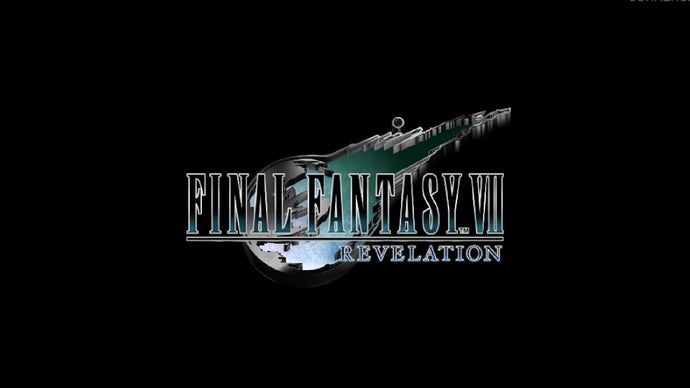
Final Fantasy 7 Remake Part 3 is called Revelation, coming to PS5, Xbox and Switch 2 simultaneously Spring 2027

Image: courtesy of EuroGamer

gamingJune 6, 2026By Veridact EditorialUpdated Jun 6

Square Enix Shatters PlayStation Exclusivity: Final Fantasy VII Remake Part 3 'Revelation' Targets Spring 2027 Multiplatform Release

On June 5, 2026, Square Enix announced Final Fantasy VII Revelation, the final chapter in its ambitious remake trilogy, scheduled for a simultaneous release in Spring 2027 on PlayStation 5, Xbox Series X/S, and Nintendo's upcoming successor console. This move marks a historic departure from the timed PlayStation exclusivity that defined Remake in 2020 and Rebirth in 2024. Following disappointing sales figures for its predecessor and a broader corporate mandate to pursue multiplatform releases, the Japanese publisher is restructuring its entire commercial strategy to maximize day-one addressable markets.

What to Expect

Final Fantasy VII Revelation will conclude the narrative arc that began in Midgar and expanded across the open world of Gaia. According to the official announcement from Square Enix, the title will launch globally in Spring 2027. What makes this launch distinct is the platform distribution. Players on Xbox Series X/S and Nintendo’s next-generation hardware will get to play the game on day one alongside PlayStation 5 owners.

For years, the remake trilogy was the ultimate symbol of Sony's second-party dominance. The original Final Fantasy VII Remake launched as a PlayStation 4 exclusive before moving to PC, while Rebirth remained locked to the PlayStation 5 for at least three months, though its PC port has yet to materialize at the time of this announcement. By bringing Revelation to three distinct console ecosystems simultaneously, Square Enix is attempting to bypass the slow burn of staggered platform releases.

This change is not just about broader distribution; it is about technical compromise and optimization. The Nintendo Switch successor, widely referred to as the Switch 2, represents a significant hardware leap over its predecessor, yet running a game built on the same foundations as the visually demanding Rebirth will require serious engineering effort. Fans can expect a heavily customized version for Nintendo's hybrid device, likely leveraging modern upscaling technologies like Nvidia's DLSS to preserve the visual fidelity established on the more powerful home consoles.

Key Context

To understand why Square Enix is abandoning its traditional PlayStation-first approach, one has to look at the financial performance of Final Fantasy VII Rebirth. While critically acclaimed, the game reportedly struggled to meet the publisher's internal sales targets. Square Enix had spent years relying on lucrative exclusivity payments from Sony to offset development costs, but as AAA budgets ballooned toward the $200 million mark, a single-platform install base proved insufficient to generate the necessary return on investment.

In May 2024, Square Enix management explicitly laid out a new medium-term business plan titled 'Square Enix Reboots and Awakens.' The core pillar of this strategy was a transition to a multiplatform model. The publisher openly admitted that relying on exclusive agreements limited its long-term growth and that future major intellectual properties would target a wider array of devices from day one. Revelation is the first major test of this doctrine.

The decision also reflects a shift in the console landscape. Microsoft has been aggressively courting Japanese developers, offering financial incentives and marketing support to bring high-profile RPGs to Xbox. Meanwhile, Nintendo's upcoming hardware represents a massive, highly anticipated market. By positioning Revelation as a launch-window title for Nintendo’s new system, Square Enix is positioning its most prestigious title in front of an audience hungry for high-fidelity gaming experiences on a portable device.

Related Coverage

Dune Awakening is coming to consoles at long last, but for some reason, it will not have crossplay→

Historical Patterns

The relationship between Square Enix and PlayStation is legendary, dating back to 1997 when the original Final Fantasy VII famously skipped the Nintendo 64 in favor of Sony’s debut console. That single decision redefined the RPG genre and established PlayStation as the default home for premium Japanese role-playing games. For nearly three decades, major mainline entries in the franchise launched with some form of PlayStation exclusivity.

However, the economics of modern game development have eroded this historic alliance. We have seen this pattern play out before with other publishers. Capcom, for instance, transitioned to a highly successful multiplatform strategy years ago with Resident Evil and Monster Hunter, reaping record profits by ensuring their titles launched everywhere at once. Sega's Ryu Ga Gotoku Studio saw a massive global surge in popularity for the Like a Dragon series only after abandoning PlayStation exclusivity and embracing simultaneous PC and Xbox launches.

Conversely, Square Enix’s recent reliance on timed exclusivity has yielded mixed results. Final Fantasy XVI, which launched exclusively on PlayStation 5 in June 2023, also suffered from a narrow addressable market, prompting the publisher to accelerate its PC porting efforts. The historical lesson is clear: in an era of astronomical development cycles and budgets, restricting a game to a single platform, even one with an install base as large as the PlayStation 5, is an increasingly risky financial move.

This decision represents a watershed moment for the video game industry, signaling the end of the high-profile, third-party exclusive era. If a franchise as historically tied to PlayStation as Final Fantasy can no longer justify staying exclusive, then no third-party game is safe from going multiplatform. The economic gravity of modern AAA development is simply too strong to resist.

For Sony, this is a significant blow to its traditional marketing strategy. For two console generations, the PlayStation brand was built on the promise that it was the only place to play the world's most cinematic, high-budget experiences. While Sony's first-party studios like Naughty Dog and Santa Monica Studio remain exclusive, losing exclusive marketing and launch windows for major third-party titles like Final Fantasy weakens the platform’s overall value proposition.

For Microsoft, this represents a major validation of its long-term strategy. The Xbox platform has struggled to gain traction in Japan, but securing a day-and-date release for Final Fantasy VII Revelation gives the company a powerful weapon to attract JRPG fans who previously had no reason to buy an Xbox. It also signals to other Japanese publishers that the Xbox ecosystem is a viable and lucrative home for their most prestigious projects.

Potential Outcomes

Analysis

One potential outcome is a massive commercial resurgence for the trilogy. By tapping into the massive install bases of the Xbox Series X/S and the newly launched Nintendo Switch successor on day one, Square Enix could easily surpass the sales figures of Rebirth within its first month on the market. This would vindicate the multiplatform pivot and set a new standard for how the publisher handles its future flagship titles, including Final Fantasy XVII.

Another potential outcome is a technical bottleneck that impacts the game's critical reception. Developing a game of Revelation's scale to run simultaneously on the high-end PlayStation 5 and the more modest, portable hardware of the Switch successor is an immense engineering challenge. If the Nintendo version suffers from severe performance issues, long loading times, or drastically downgraded visuals, it could lead to fragmented reviews and consumer backlash, potentially damaging the brand's reputation on that platform.

A third outcome involves a shift in platform dynamics, where the Xbox and Nintendo versions cannibalize PlayStation sales without significantly expanding the overall player base. If the majority of players who would have bought the game on PS5 simply migrate to other platforms, Square Enix might find that the added development costs of optimizing for three platforms simultaneously did not yield the expected net profit margin, leading to a re-evaluation of their multiplatform budgets.

Timeline

2020-04-10
Final Fantasy VII Remake Launches
The first entry in the remake trilogy releases exclusively on PlayStation 4, establishing the timed-exclusivity model.
2024-02-29
Final Fantasy VII Rebirth Releases
The second chapter launches as a PlayStation 5 exclusive to critical acclaim but faces commercial headwinds due to a limited install base.
2024-05-13
Square Enix Announces Multiplatform Shift
The publisher outlines its new medium-term business plan, explicitly pivoting away from single-platform exclusivity.
2026-06-05
Final Fantasy VII Revelation Unveiled
Square Enix officially announces the final chapter of the trilogy, targeting a simultaneous Spring 2027 release on PS5, Xbox, and Nintendo's successor console.

Frequently Asked Questions

While the initial announcement focuses on consoles (PlayStation 5, Xbox Series X/S, and the Nintendo Switch successor), a PC version is highly likely to follow, consistent with the release patterns of previous entries in the trilogy.

Discussion

0/100
0/1000

Be the first to share your thoughts.

Related Coverage

gaming

Gears of War E-Day Confirms Horde and Versus as Xbox Rebuilds Its Legacy

Jun 9
gaming

Capcom's Monster Hunter: World Hits 30 Million Sales, Redefining Global Action-RPGs

Jun 9
gaming

Sega’s Subscription Playbook: Why Persona 4 Revival on Game Pass is More Than a Licensing Deal

Jun 8
gaming

Capcom's Final Fantasy Crossover Is a Brilliant Business Move That Exposes Fighting Game Fandom's Deepest Rift

Jun 8

Stay ahead of the story

AI analysis delivered before events unfold. No spam.

ⓘ

Disclosure: This article contains AI-assisted analysis based on publicly available information.