
Players should anticipate a longer, more polished development cycle that aims to avoid the pitfalls of rushed, high-profile releases. The extended timeline suggests Playground Games is focusing on the dense, narrative-heavy systems required for a modern RPG, rather than rushing to meet a fiscal year target. The game will likely lean heavily into the franchise's signature whimsical, dark humor while attempting to match the visual fidelity that will be the standard in 2027. We should expect Microsoft to use this time to integrate the title into the broader Xbox Game Pass ecosystem, treating it as a cornerstone of their subscription strategy rather than just a one-off retail product. Ultimately, the studio is betting that a delayed, high-quality product will be better received than a rushed title that gets lost in the noise of a generational gaming event.
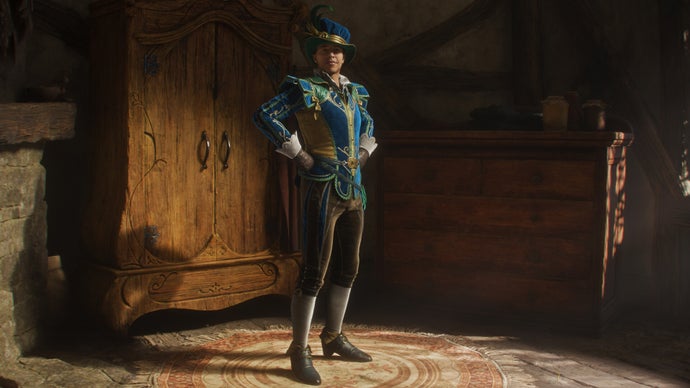
Image: courtesy of EuroGamer
The Long Shadow of Los Santos: Why Fable is Retreating to 2027
Microsoft and Playground Games have pushed the Fable reboot to 2027, a decision that signals a strategic avoidance of the massive market vacuum expected to be created by the launch of Grand Theft Auto VI.
Outlook
Background
The decision to delay Fable is less about internal development struggles and more about the gravitational pull of Grand Theft Auto VI. In the current triple-A landscape, Rockstar’s upcoming title is viewed as a total market disruptor that will consume the attention and discretionary income of the gaming public for months. Microsoft is acutely aware that launching a major flagship title in the wake of such a cultural phenomenon is a recipe for being overshadowed. By choosing 2027, they are opting to wait for the initial market frenzy to cool, hoping to capture a player base that has finished the GTA campaign and is hungry for a fresh experience. This is a calculated risk management move from a leadership team under intense pressure to deliver consistent, high-quality exclusives.
Precedents
The gaming industry has long seen this 'bottleneck effect' whenever a massive open-world title dominates the release calendar. In 2013, the launch of Grand Theft Auto V effectively created a dead zone for other publishers, as smaller and even mid-sized titles struggled to gain visibility. Similar patterns emerged around the release of Elden Ring, where the game’s sheer depth and social media dominance kept it at the center of the conversation for months, suffocating the marketing efforts of competing games. Data suggests the 'long tail' of these mega-games is growing, meaning players are staying engaged with single titles for longer durations. This shift forces publishers to move their release dates to avoid competing for the same finite amount of consumer time, making the scheduling of a flagship game a game of high-stakes chess.
This delay exposes the growing fragility of the current release calendar and the consolidation of power among a few massive titles. It suggests that the middle-tier, big-budget gaming experience is becoming an endangered species because the cost of fighting for visibility against a cultural behemoth is simply too high. For Microsoft, this is a critical test of their strategy to revive dormant franchises; a failure here would deal a significant blow to their studio reputation and the perceived value of their acquisition strategy. The industry is currently witnessing a transition where one game can dictate the fiscal health and marketing strategy of an entire year for its competitors. This creates a market environment where only the most perfectly timed and polished titles can hope to thrive, effectively narrowing the scope of what gets produced and when it reaches the consumer.
Scenarios
AnalysisOutcome 1: The 'Safe Harbor' success. By 2027, the initial GTA VI frenzy has settled, and Fable launches as a polished, critically acclaimed RPG that restores faith in the Xbox ecosystem. It becomes a standard-bearer for narrative-driven, single-player gaming, proving that there is still room for high-quality titles outside of the Rockstar orbit. Outcome 2: The Expectation Trap. The three-year wait leads to bloated public expectations that the game cannot possibly meet. By 2027, the technology in the game feels dated compared to the current market, and the narrative shifts to one of 'wasted time,' resulting in a lukewarm reception that forces a restructuring of the studio. Outcome 3: The Platform Pivot. Microsoft uses the extra years to turn Fable into a long-term service-based anchor for Game Pass rather than a traditional release. The game is framed less as a one-time purchase and more as a living platform that drives subscriber retention, shifting the focus from units sold to lifetime user value.
Timeline
Frequently Asked Questions
Discussion
Be the first to share your thoughts.