
Instead of an apocalyptic market crash, the industry is entering an era of discovery paralysis. As thousands of generative titles swamp platforms like Steam and mobile app stores, player attention is fracturing. Analysts suggest that storefront algorithms will become the ultimate gatekeepers, determining whether independent studios can survive the algorithmic noise.
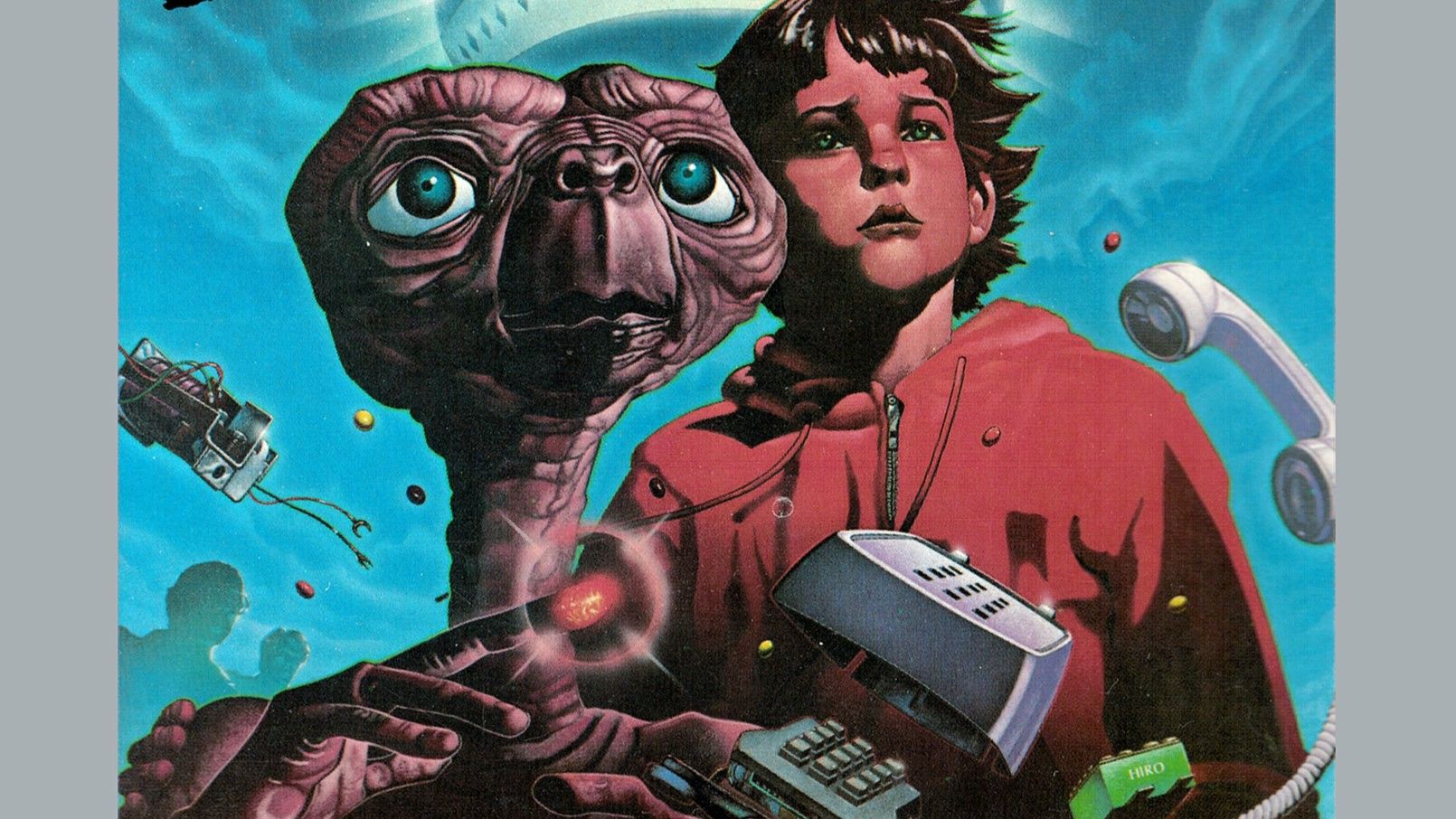
Image: courtesy of PC Gamer
Why the Creator of Atari’s 'E.T.' Sees the Ghost of 1983 in Today’s AI Game Boom
Howard Scott Warshaw, designer of the infamous Atari 2600 game E.T. the Extra-Terrestrial, warns that modern generative coding tools are flooding the market with low-effort releases. Speaking at the DevGAMM Lisbon conference on November 18, 2026, he argued that while the mechanics mirror the oversaturation that triggered the 1983 North American video game crash, structural differences in today's economy will prevent a complete market collapse.
Outlook
Background
Generative artificial intelligence has compressed the game creation lifecycle from months or years into mere days. Developers and hobbyists alike can now spin up functional prototypes, pixel art, and basic mechanics using specialized coding assistants. This technological shift removes traditional capital constraints and labor bottlenecks, democratizing creation while simultaneously eroding quality control across digital storefronts.
See also
Precedents
In 1983, the United States video game market experienced an abrupt collapse, with annual revenue plummeting from over $3 billion to roughly $100 million. That crisis was driven by an uncurated flood of rushed, uninspired third-party cartridges—epitomized by Atari's notoriously hurried E.T. adaptation—which eroded consumer trust to the breaking point. Retailers abandoned the category, leaving thousands of unsold cartridges to be famously buried in a New Mexico landfill.
The fundamental challenge for modern digital commerce is no longer production capacity, but filtering. When anyone can manufacture a digital product in an afternoon, the cost of creation approaches zero, shifting all economic power to the platforms that curate attention. Independent creators face a harsh reality: building a game is no longer the hardest part of the business; making anyone notice it is.
Scenarios
AnalysisOne possible outcome is that digital storefronts implement aggressive algorithmic gatekeeping or upfront curation fees to deter low-effort asset flips, effectively pricing casual creators out of commercial distribution. Another plausible trajectory is the rise of trusted micro-curators and algorithmic niches, where players rely entirely on algorithmic recommendation engines or community influencers to separate hand-crafted art from automated noise.
Timeline
November 18, 2026
DevGAMM Lisbon Warning
Howard Scott Warshaw delivers a keynote comparing current generative tool adoption to pre-1983 market dynamics.
Mid-2026
Storefront Saturation Accelerates
Digital distribution platforms record historic highs in daily product submissions, driven by automated coding assistants.
1983
The North American Industry Crash
A glut of low-quality titles destroys consumer and retailer confidence, causing revenues to plummet.
December 1982
The Rush of E.T.
Howard Scott Warshaw designs and codes Atari's E.T. adaptation in just 5 weeks to meet Christmas retail deadlines.
Frequently Asked Questions
No. While Warshaw noted clear parallels in market oversaturation, he explicitly stated that modern gaming is too deeply embedded in global daily life to experience a collapse similar to 1983.
Discussion
Be the first to share your thoughts.