
Final Fantasy XIV players can look forward to a familiar rotation of seasonal celebrations throughout the rest of 2026. The cycle typically kicks off its summer run with the Make It Rain Campaign in the Golden Saucer, offering players a hefty boost to their Manderville Gold Saucer Points. Soon after, the heat of August brings the Moonfire Faire, a beach-themed festival usually held in Costa del Sol that features jumping puzzles and summer-themed outfits. Immediately following the Faire, the game transitions into The Rising, an event that commemorates the game's real-world relaunch and often features personal messages from director Naoki Yoshida. As autumn approaches, players can expect the spooky decorations of All Saints' Wake in late October, offering gothic-themed glamours and unique instanced dungeons. The year wraps up with the cozy Starlight Celebration in December, which transforms the major city-states into winter wonderlands. Each of these events offers exclusive rewards like mounts, minions, or house decorations that cannot be obtained elsewhere without paying real money later on.
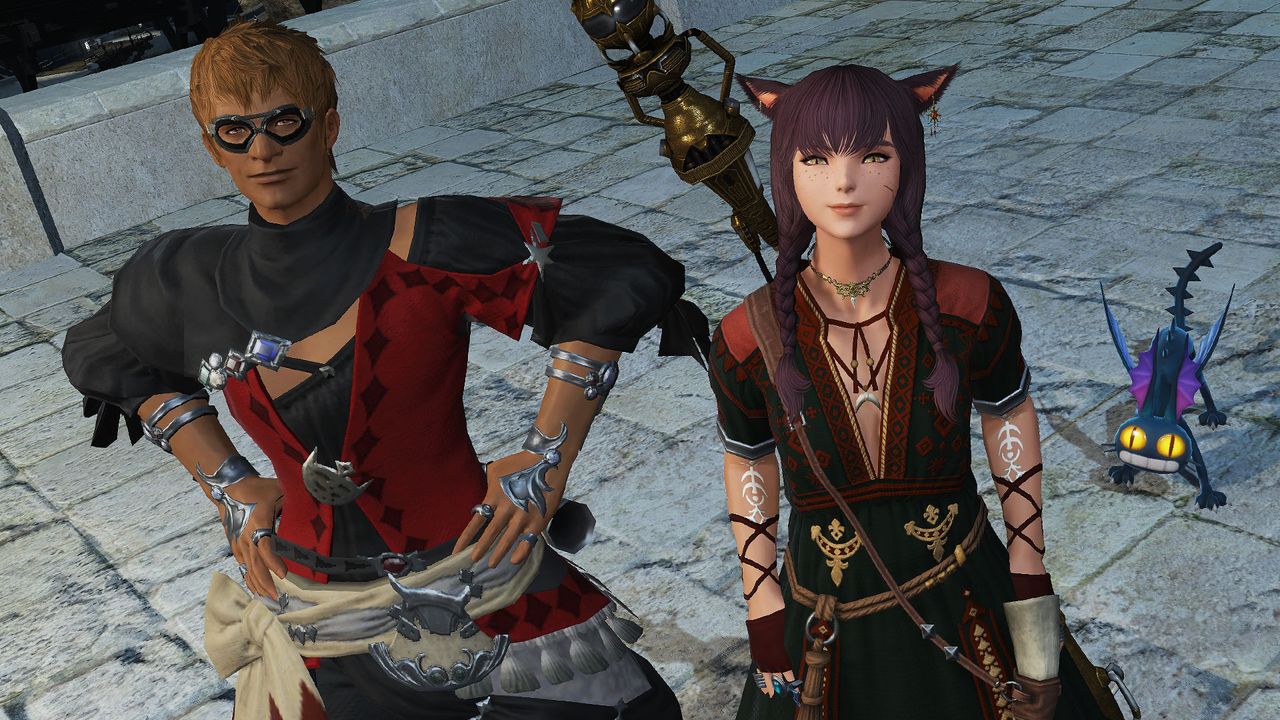
Image: courtesy of PC Gamer
The Eorzean Calendar: When to Expect Final Fantasy XIV’s Next Seasonal Events
A guide to Final Fantasy XIV's predictable yet occasionally surprising seasonal event schedule, explaining how Square Enix uses these in-game festivals to keep players engaged between major patch cycles.
Outlook
Background
These seasonal events are not just fun distractions; they are a core part of the game's live-service strategy. Square Enix uses these limited-time festivities to bridge the gaps between major content updates, keeping the player base active when there is little else to do. For a subscription-based MMO like Final Fantasy XIV, maintaining a steady log-in rate is vital for financial health. The development team, Creative Studio III, carefully times these events to coincide with the natural drop-off in player activity that occurs a few weeks after a major patch release. Players who have finished their raids and story quests find a reason to return, even if only for an hour, to grab the latest limited-time rewards. This keeps the game's cities feeling alive and populated, which is crucial for welcoming new players who might otherwise find the world empty. Additionally, these events require relatively little development resource compared to a full raid tier, making them highly efficient tools for player retention.
Precedents
The schedule of Eorzea’s holidays has remained remarkably consistent over the last decade, though it is not entirely immune to disruption. Normally, events like Heavensturn start the year in January, followed by Valentione's Day in February and Hatching-tide in April. However, major expansion launches have historically thrown this delicate calendar out of alignment. For example, when the Endwalker expansion was delayed in late 2021, the knock-on effect pushed All Saints' Wake completely out of October and into January of the following year. Similarly, the launch of Dawntrail in 2024 caused minor shifts as the team focused on stabilizing the servers and releasing initial patch content. When these disruptions happen, the developers usually combine events or shorten their runtimes rather than canceling them outright. Outside of these expansion windows, you can almost set your watch by the arrival of the Moonfire Faire in early August and the Starlight Celebration in mid-December. This predictability helps the community plan their in-game activities and real-life schedules around their favorite holiday rewards.
Beyond keeping the servers busy, these seasonal events are a highly effective driver for Square Enix’s digital storefront. Every item offered during a seasonal event is free to earn for anyone with an active subscription during the event's run. But if a player misses the event, those exclusive mounts, outfits, and emotes disappear from the game entirely for a full year. When the event returns the following year, the old items are placed on the Final Fantasy XIV Online Store as paid purchases. This system creates a powerful sense of urgency that encourages players to keep their subscriptions active even during periods of personal burnout. It also creates a highly lucrative secondary revenue stream for the game, as latecomers and returning players routinely spend real money to catch up on years of missed cosmetics. The revenue generated from these microtransactions directly funds the development of larger content updates, creating a self-sustaining cycle that benefits both the developers and the players who stay active.
Scenarios
AnalysisAnalysis: We will likely see two distinct shifts in how these events are handled going forward.
First, Square Enix is highly likely to increase the frequency of crossover events with other intellectual properties to supplement the standard seasonal calendar. As the game matures, traditional holidays like Heavensturn or Hatching-tide can feel repetitive to veteran players, making external collaborations a powerful tool to generate fresh excitement.
Second, the developers are expected to lean heavier into mini-game-centric event designs rather than simple fetch quests. Recent player feedback has shown growing weariness with events that consist solely of running between non-player characters to read dialogue. By integrating more interactive elements—similar to the Gold Saucer's obstacle courses—the team can make the gameplay of these seasonal events feel like a genuine reward in itself.
Timeline
Frequently Asked Questions
Discussion
Be the first to share your thoughts.