
The 'Cost of Hope' expansion is poised to deliver a substantial addition to the S.T.A.L.K.E.R. 2 universe. Players will once again assume the role of Skif, navigating an entirely new storyline that runs parallel to the main campaign. The primary draw remains the ability to explore the Chornobyl Nuclear Power Plant itself, a location previously alluded to and glimpsed, but never fully traversable within the game's engine. This includes its timeworn buildings and the mysteries they hold. Complementing this is the Iron Forest, described as a rusty, anomaly-ridden maze, hinting at unique environmental hazards and combat encounters. Beyond new geographies, the expansion will introduce fresh armaments and story content, suggesting new factions, mutated creatures, or complex moral choices that define the S.T.A.L.K.E.R. experience. Earlier this week, on August 6, GSC Game World and IGN released trailers showcasing eight minutes of exploration gameplay, giving players a first look at these highly anticipated environments.
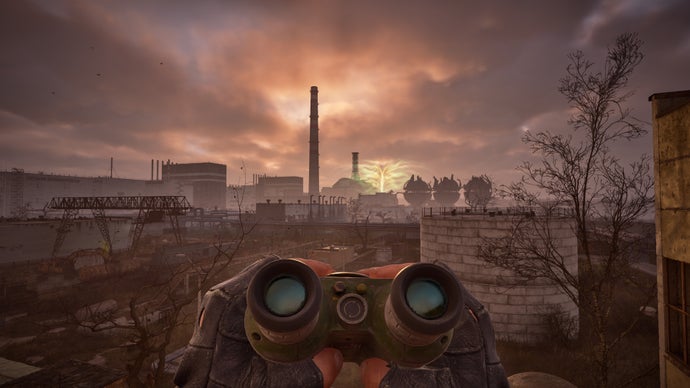
Image: courtesy of EuroGamer
Stalker 2's 'Cost of Hope' Expansion Finally Opens the Doors to Chornobyl's Core
For years, the Chornobyl Nuclear Power Plant has stood as the mythical, forbidden heart of the 'Zone' in the *S.T.A.L.K.E.R.* game series. Now, with the upcoming 'Cost of Hope' expansion for *S.T.A.L.K.E.R. 2: Heart of Chornobyl*, players are finally getting the chance to step inside. Set to release on August 20, 2026, the paid downloadable content (DLC) will introduce new areas, including the iconic power plant and the treacherous Iron Forest, alongside a fresh storyline and additional weapons. This expansion represents a significant moment for the franchise, promising to deepen the lore and offer an experience long-demanded by its dedicated fanbase.
Outlook
Background
The S.T.A.L.K.E.R. franchise, developed by Ukrainian studio GSC Game World, has always been built around the haunting premise of the Chornobyl Exclusion Zone. The original game, S.T.A.L.K.E.R.: Shadow of Chornobyl, released in 2007, captivated players with its blend of first-person shooter mechanics, survival horror elements, and open-world exploration, all set against the backdrop of a post-apocalyptic, anomaly-filled landscape following a fictional second nuclear disaster. The Chornobyl Nuclear Power Plant itself, the site of the real-world 1986 catastrophe, has always been the symbolic and literal epicenter of the 'Zone' in the games. It's the source of the anomalies, the powerful artifacts, and the overwhelming danger that defines the world. For years, players have been able to circle its perimeter, see its looming silhouette, and understand its importance, but direct, extensive exploration of its interior has remained an elusive goal. This expansion aims to fulfill that long-held desire, bringing players into the heart of the game's foundational mythos. The challenge for GSC Game World lies in translating this iconic, heavily mythologized location into a playable space that lives up to years of player expectation while also delivering compelling gameplay and narrative depth.
See also
Precedents
Expansions that unlock previously inaccessible, highly anticipated locations often serve as critical junctures for game franchises. In the past, titles like Fallout or The Elder Scrolls have seen significant boosts in player engagement and critical reappraisal when DLCs introduced iconic cities or zones that were central to the lore but initially out of reach. These expansions can breathe new life into a game, drawing back lapsed players and attracting new ones curious about the expanded world. However, the stakes are high. If the new areas feel underdeveloped, technically buggy, or fail to integrate meaningfully into the existing narrative, they can lead to player disappointment. The S.T.A.L.K.E.R. series itself has a history of robust, story-driven expansions that build upon its world, such as Clear Sky and Call of Pripyat for the original game. These additions were generally well-received for expanding the lore and refining gameplay mechanics. For 'Cost of Hope,' the pressure is magnified by the central role the Chornobyl Power Plant plays in the franchise's identity and the extended wait for S.T.A.L.K.E.R. 2 itself, which was a Microsoft-exclusive release on Windows and Xbox Series X/S, including Xbox Game Pass, for its initial three months.
The 'Cost of Hope' expansion is more than just another piece of DLC; it represents a deepening of the S.T.A.L.K.E.R. universe and a direct response to years of player anticipation. For GSC Game World, a Ukrainian developer, the Chornobyl setting carries significant weight, connecting their creative work to their homeland's history. Successfully rendering the Chornobyl Nuclear Power Plant as a playable, immersive, and narratively rich environment could elevate S.T.A.L.K.E.R. 2 from a strong sequel to a landmark title in the survival horror and immersive sim genres. It could solidify the game's long-term appeal, encouraging a broader audience to engage with its unique blend of environmental storytelling and challenging gameplay. Conversely, a failure to meet the high expectations surrounding this iconic location could risk alienating a dedicated fanbase. The expansion's success will be a critical test of the game's engine, its narrative ambition, and GSC Game World's ability to translate a real-world tragedy into compelling interactive fiction with sensitivity and impact.
Scenarios
AnalysisOne possible outcome is that 'Cost of Hope' delivers on its promise, offering a meticulously crafted and narratively engaging exploration of the Chornobyl Nuclear Power Plant and Iron Forest. This would likely lead to strong critical reviews, positive player feedback, and a resurgence in the game's player count, potentially attracting new fans to the franchise. Such a reception could solidify S.T.A.L.K.E.R. 2's position as a standout title and encourage further expansions or sequels.
Alternatively, the expansion could face challenges. Technical issues, common in large game releases, might detract from the experience, especially given the complexity of rendering a highly detailed and atmospheric environment like the NPP. If the new content feels too linear, lacks meaningful choices, or fails to integrate well with the core game's mechanics, player disappointment could follow. This might lead to a more muted reception, limiting its long-term impact and potentially affecting future sales or the studio's reputation. The ambition of exploring such a pivotal location brings with it considerable execution risk.
Timeline
Frequently Asked Questions
Discussion
Be the first to share your thoughts.