
The announcements made on June 15, 2026, outline a three-pronged strategy to modernize a game that has long battled the limitations of its aging technology.\n\nFirst, the introduction of official modding support represents a fundamental shift in how the game will be played. Historically, Behaviour has tightly controlled the game’s files to prevent cheating and protect licensed intellectual property. The new modding framework, which is confirmed to launch initially in a restricted beta environment, will allow creators to design custom skins, maps, and game modes. However, these mods will be limited to private lobbies and custom matches. This suggests that the developer is trying to strike a delicate balance: giving creative freedom to the community while protecting the competitive integrity of public matchmaking.\n\nSecond, the visual overhaul is designed to bring the game up to modern graphical standards. Built originally on Unreal Engine 4 in 2016, Dead by Daylight has received incremental graphical updates over the years, but many older assets still look dated. The planned upgrade will overhaul lighting systems, character models, and environmental textures across all maps. This indicates that Behaviour is preparing the game for another decade of active service, ensuring it remains visually competitive with newer multiplayer titles.\n\nThird, the Scooby-Doo collaboration introduces a highly requested franchise to the game’s roster. While specific details about characters and mechanics remain under wraps, the crossover is confirmed to feature both survivor cosmetics and a themed map. This crossover represents a unique tonal challenge. How does a developer fit a beloved, family-friendly cartoon into a gritty, blood-soaked horror game? The answer likely lies in the franchise's history of gothic atmosphere and spooky aesthetics, which Behaviour can adapt into a more mature, realistic style. This indicates a deliberate effort to expand the game’s appeal to a broader, more casual audience without completely breaking the horror immersion that core players expect.
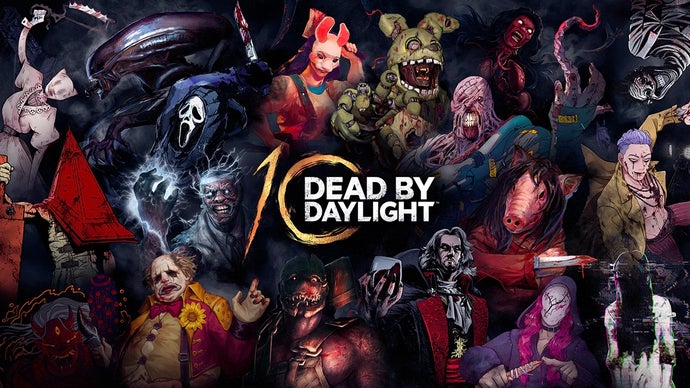
Image: courtesy of EuroGamer
Dead by Daylight’s Tenth Anniversary Playbook: Why Modding, Scooby-Doo, and a Visual Overhaul Are More Than Just Fan Service
On June 15, 2026, Behaviour Interactive marked the tenth anniversary of Dead by Daylight with a series of announcements that could reshape the future of asymmetrical multiplayer games. By introducing official modding tools, planning a complete visual overhaul, and securing a crossover with the Scooby-Doo franchise, the studio is attempting to solve the industry’s most difficult puzzle: how to keep a live-service game relevant, profitable, and technologically modern a decade after its launch. This analysis explores how these moves represent a structural shift in how Behaviour plans to sustain its flagship title.
Outlook
Background
To understand why these announcements are so significant, one must look at the history of the asymmetrical multiplayer genre. Over the past decade, dozens of competitors have attempted to replicate Dead by Daylight’s success. Titles like Friday the 13th: The Game, Evolve, Evil Dead: The Game, and The Texas Chain Saw Massacre all launched with major intellectual properties or innovative mechanics. Yet, almost all of them struggled to maintain a stable player base, and several have had their servers shut down entirely.\n\nDead by Daylight survived where others failed by transforming itself into the 'Super Smash Bros. of horror.' By securing licenses from iconic franchises—including Halloween, A Nightmare on Elm Street, Resident Evil, Silent Hill, Alien, and Castlevania—Behaviour built an unmatched cultural hub for horror fans.\n\nHowever, this reliance on licensed content has created immense legal and operational constraints. Every time Behaviour wants to change a character’s balance or update a map, they must manage complex legal agreements with Hollywood studios and Japanese gaming giants. This makes the introduction of modding support particularly risky. How does a developer hand over the keys to a game built on highly sensitive, multi-million dollar intellectual property? The answer is strict curation. By limiting mods to custom lobbies, Behaviour can shield itself from potential copyright lawsuits while still satisfying the community’s desire for creative expression.
Precedents
The decision to introduce modding and a visual upgrade late in a game's lifecycle follows a proven industry pattern. Games like Skyrim, Left 4 Dead 2, and Team Fortress 2 have maintained active player bases for over a decade largely due to community-created content. When developers stop producing official updates, modders keep the game fresh for free. By establishing an official modding pipeline now, Behaviour is putting the infrastructure in place to ensure Dead by Daylight can survive even if official content production eventually slows down.\n\nSimilarly, major visual overhauls are a common tactic for aging live-service games. Fortnite’s transition to Unreal Engine 5 and Valve’s release of Counter-Strike 2 demonstrated that upgrading a game’s underlying technology is essential for long-term survival. However, these transitions are rarely seamless. They often lead to performance drops on lower-end hardware and introduce unexpected bugs that can take months to resolve. Behaviour’s visual overhaul will likely face similar technical friction, especially given the game’s historically delicate code base.
The real stakes of this tenth-anniversary strategy extend far beyond simple fan service. In 2026, the video game industry is facing a severe live-service crisis. Player acquisition costs are higher than ever, and players are increasingly consolidating their time and money into a handful of mega-franchises. For a mid-sized studio like Behaviour Interactive, maintaining a massive, active player base is a constant financial struggle.\n\nBy outsourcing a portion of the content creation to the community through modding, Behaviour can significantly reduce its own development costs while keeping players engaged. This suggests a transition toward a platform-based business model, where the developer provides the tools and the framework, and the community generates the content.\n\nFurthermore, the Scooby-Doo collaboration represents a major tactical shift. For years, Dead by Daylight has focused on gritty, R-rated horror. By bringing in a franchise that appeals to both nostalgic adults and younger audiences, Behaviour is testing the limits of its brand. If successful, this crossover could pave the way for other lighter, more mainstream intellectual properties to enter the game, dramatically expanding its addressable market.
Scenarios
AnalysisThe success of Behaviour’s tenth-anniversary strategy is far from guaranteed, and the next few years will likely see several competing forces play out.\n\nOne possible outcome is a creative renaissance that dramatically extends the game’s lifespan. If the modding tools are robust and easy to use, the community could create entirely new game modes—such as prop hunt, infected, or hide-and-seek—that become massive hits in their own right. This would keep the player base highly engaged between official chapter releases and attract new players who are interested in custom content rather than the standard competitive mode.\n\nAnother, more problematic scenario is a licensing minefield. Despite Behaviour’s attempts to restrict mods to custom lobbies, players will inevitably find ways to import unlicensed characters—such as Disney princesses or Marvel superheroes—into the game. If these mods are widely shared or streamed on platforms like Twitch, it could create severe friction with Behaviour’s existing licensing partners, who are notoriously protective of their intellectual property. This could force the developer to implement aggressive, unpopular moderation policies that alienate the modding community.\n\nFinally, the visual overhaul could create a technical divide within the player base. A significant portion of Dead by Daylight’s global audience plays on lower-end PCs or older consoles. If the visual upgrade raises the minimum system requirements too sharply, it could lock out these players, leading to a drop in active user numbers. Behaviour will need to optimize the update carefully to ensure that improved graphics do not come at the cost of accessibility.
Timeline
Frequently Asked Questions
Discussion
Be the first to share your thoughts.