
Community speculation will likely intensify regarding official remasters, but legal ambiguity remains the primary hurdle for the project.
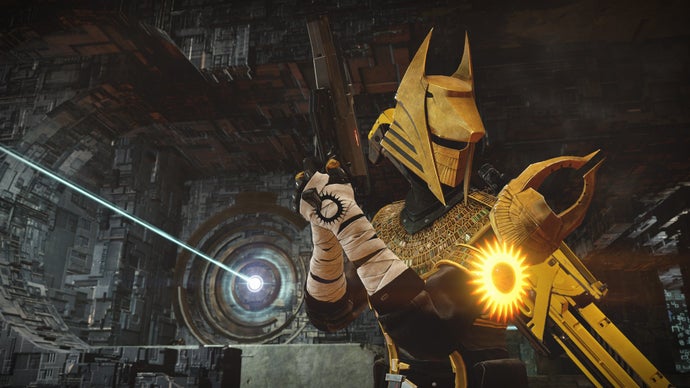
Image: courtesy of EuroGamer
Why Bungie Winking at a Fan-Made Destiny 1 PC Port Changes the Calculus for the Studio
Bungie Head of Product Josh Deane recently dropped a cryptic response to a fan project running Destiny 1 on PC in 4K at 60 frames per second, reigniting long-dormant community demand for an official port. While the move falls far short of an official greenlight, it highlights how independent preservation efforts are forcing developers to rethink how they handle legacy console exclusives.
Outlook
Background
The original Destiny launched in 2014 exclusively for PlayStation 3, PlayStation 4, Xbox 360, and Xbox One, famously bypassing personal computers entirely while its sequel, Destiny 2, launched on PC in 2017. A dedicated group of developers has been utilizing an emulator alongside clean-room reverse engineering protocols — intentionally separating original code from copyrighted assets — to get the game running smoothly on modern PC hardware. When YouTuber Flummoxed shared footage of the build achieving high frame rates and widescreen resolutions, Bungie's Josh Deane responded publicly with a casual comment and a popcorn GIF, signaling awareness without issuing a legal threat or an endorsement.
See also
Precedents
Game developers have historically taken a hardline stance against unauthorised fan ports and emulators, frequently deploying cease-and-desist letters to protect intellectual property. However, titles abandoned on legacy hardware often create a vacuum where passionate communities take preservation into their own hands, leaving studios to weigh the public relations fallout of squashing fan nostalgia against the legal necessity of protecting their code.
For players who spent thousands of hours in the original tower before hardware transitions stranded their favorite raids on older consoles, the prospect of a PC version represents a chance to revisit a foundational era of the shooter-MMO genre. For Bungie, the studio is navigating a delicate balancing act of community goodwill as it works to rebuild player trust following turbulent stretches for Destiny 2.
Scenarios
AnalysisBungie could choose to quietly tolerate the fan project as long as it respects copyright boundaries, effectively using community enthusiasm to gauge market demand for a future official release. Alternatively, changing legal strategies or corporate directives from parent company Sony might prompt legal action if the project progresses too far into playable territory.
Timeline
September 2014
Destiny Launches
Bungie releases the original Destiny as a console exclusive for PlayStation and Xbox platforms.
October 2017
Destiny 2 Arrives on PC
The sequel brings the franchise to personal computers for the first time, leaving the original game stranded on older consoles.
October 2026
The Fan Port Spotlight
Modders demonstrate Destiny 1 running on PC via emulation, prompting a public reaction from Bungie Head of Product Josh Deane.
Frequently Asked Questions
No. The recent social media interaction from Bungie executive Josh Deane is a casual acknowledgment of a fan project and does not constitute an official announcement or confirmation of any upcoming product.
Discussion
Be the first to share your thoughts.