
The immediate consequence of this bounty is an increased focus on the specific tactics used by Russian state-linked groups like UNC5792 and UNC4221. Individuals identified as potential targets, particularly those in government, diplomatic, defense, intelligence, and media sectors related to Russia and Ukraine, will likely see renewed advisories and heightened security protocols for their digital communications. The broader cybersecurity community will be watching to see if the financial incentive yields actionable intelligence, potentially disrupting the operational capabilities of these groups or leading to arrests.
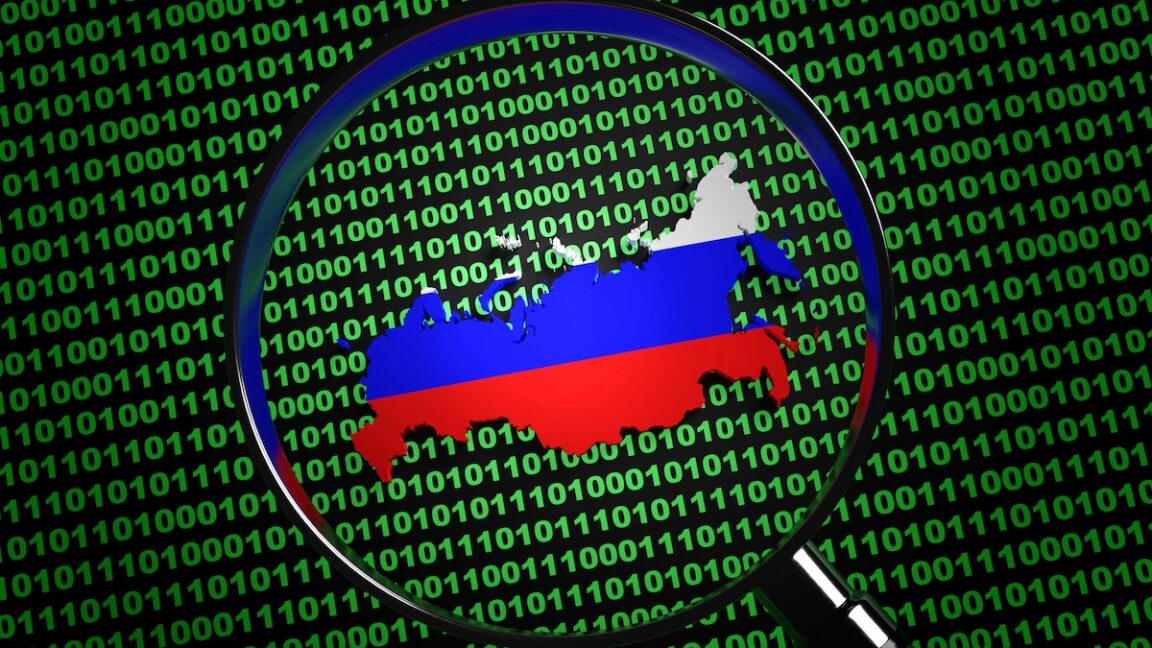
Image: courtesy of Ars Technica
Beyond the $10 Million Bounty: Why the US Is Escalating Its Hunt for Russian Hackers Targeting Signal and WhatsApp
The US government has offered a $10 million reward for information leading to the identification or location of individuals involved in a Russian state-linked cyber campaign. This campaign specifically targets secure messaging applications like Signal and WhatsApp, primarily by impersonating support agents to steal verification codes. Thousands of accounts belonging to government officials, military personnel, diplomats, journalists, and researchers have been compromised, highlighting a persistent and evolving threat from Russian intelligence services.
Outlook
Background
On Monday, June 29, 2026, the US State Department announced a reward of up to $10 million through its Rewards for Justice (RFJ) program. This significant sum is aimed at uncovering the identities or locations of those behind a sophisticated cyber campaign that has compromised thousands of accounts on commercial messaging applications, including Signal and WhatsApp.
The core of the attack method does not involve breaking the strong encryption of these platforms. Instead, the hackers employ social engineering, masquerading as legitimate support agents to trick users into providing their security verification codes. Once these codes are obtained, the attackers can gain access to the victim's account.
US authorities have linked the groups responsible, tracked as UNC5792 and UNC4221, directly to Russia's Federal Security Service (FSB), its Border Guards, and military intelligence. This attribution suggests a coordinated, state-sponsored effort to conduct espionage.
The targets are highly specific and strategic: US and NATO government officials, diplomats, defense and intelligence personnel, policy analysts, journalists covering the Russia-Ukraine conflict, non-governmental organizations supporting Ukraine, and security researchers focused on Russia. The Dutch intelligence services (MIVD and AIVD) have confirmed that Dutch government targets and victims are also part of this campaign. The FBI issued a public advisory on Friday, June 26, 2026, noting that these groups' espionage tactics have continued to evolve, indicating a persistent and adapting threat.
See also
Precedents
State-sponsored cyber espionage has been a consistent feature of global geopolitics for decades, with Russia frequently identified as a prominent actor. Groups linked to Russian intelligence, such as those often associated with the GRU (military intelligence) and FSB, have a long history of targeting government entities, critical infrastructure, and political organizations in Western nations. Previous campaigns, often under names like 'Fancy Bear' or 'APT28,' have focused on data exfiltration, influence operations, and intelligence gathering. The use of social engineering to bypass technical security measures, rather than direct cryptographic attacks, is also a well-established tactic, reflecting a pragmatic approach to exploit the weakest link in any security chain: the human user.
The US Rewards for Justice program itself has a precedent, offering bounties for information related to terrorism and, more recently, cybercrime. Historically, these programs have had mixed success. While some have led to significant intelligence gains or the apprehension of individuals, others have served more as a deterrent or a public declaration of intent, rather than a direct path to resolution. The effectiveness often depends on the internal dynamics of the targeted organizations and the willingness of individuals to risk reprisal for financial gain.
This $10 million bounty is more than just an offer of money; it represents a significant escalation in the US response to ongoing Russian cyber espionage. It implicitly acknowledges the persistent challenge of attributing and disrupting state-backed hacking operations through conventional intelligence methods. By targeting secure messaging apps like Signal and WhatsApp, the campaign directly undermines the perceived safety of private digital communications for high-value individuals, potentially exposing sensitive information critical to national security, diplomatic efforts, and military operations.
The specific targeting of government, military, and journalistic figures highlights an intelligence gathering operation focused on the conflict in Ukraine and broader Western policy towards Russia. The success of such campaigns allows adversarial states to gain insights into strategic planning, internal discussions, and even personal vulnerabilities, which could be exploited for further influence or disruption. The bounty also sends a clear signal to other state actors about the US's willingness to use financial incentives to counter cyber threats, potentially reshaping the risk calculus for individuals involved in such operations.
Scenarios
AnalysisSeveral outcomes could emerge from the US State Department's $10 million bounty:
1. Disruption and Attribution: One possible outcome is that the substantial reward could incentivize an insider or someone with direct knowledge to provide crucial information. This might lead to the identification, arrest, or at least a significant disruption of the operational infrastructure and personnel behind the UNC5792 and UNC4221 groups. Such a development would significantly hinder Russia's ability to conduct these specific types of social engineering attacks against high-value targets.
2. Increased Operational Risk: Even if no immediate arrests are made, the bounty could raise the internal risk for individuals involved in these hacking operations. The constant threat of defection or betrayal for a large sum of money may force Russian intelligence services to implement stricter vetting, compartmentalization, and counter-intelligence measures, making their operations more complex and costly. This could, in turn, reduce the overall volume or effectiveness of their campaigns.
3. Adaptation by Adversaries: Conversely, Russia's state-linked hacking groups may adapt their tactics and operational security in response to the bounty. They could become even more clandestine, change their infrastructure more frequently, or shift to different communication platforms or social engineering vectors. This would force Western intelligence agencies into a continuous cycle of detection and counteraction, without necessarily leading to a definitive resolution of the threat.
4. Limited Effectiveness: It is also possible that the bounty yields little to no actionable intelligence. The individuals involved may be highly motivated by ideology, fear of reprisal, or simply operating within a system that makes defection extremely difficult and dangerous. In this scenario, the bounty would primarily serve as a public condemnation and a signal of intent, but the underlying cyber espionage campaign might continue largely unabated, pushing the US to explore alternative countermeasures.
Timeline
2026-06-26
FBI Advisory Issued
The FBI released a public advisory warning that the espionage campaigns by Russian hacking groups UNC5792 and UNC4221 have evolved, indicating a persistent and adapting threat.
2026-06-29
US State Department Announces Bounty
The US State Department, through its Rewards for Justice (RFJ) program, announced an offer of up to $10 million for information leading to the identification or location of individuals involved in the Russian state-linked hacking campaign targeting Signal and WhatsApp accounts.
Frequently Asked Questions
The hackers are not breaking the encryption of Signal or WhatsApp. Instead, they are using social engineering tactics. They impersonate customer support agents, typically through other communication channels, to trick users into revealing their security verification codes. Once they have these codes, they can gain unauthorized access to the user's account, bypassing the app's built-in encryption through a human vulnerability.
Discussion
Be the first to share your thoughts.