
With the legislative calendar rapidly shrinking and a Democratic Senate majority looming, the administration faces severe institutional hurdles. Permanent leadership for both the Food and Drug Administration and the National Science Foundation will likely remain unsettled until leadership shifts or interim officials continue managing operations.
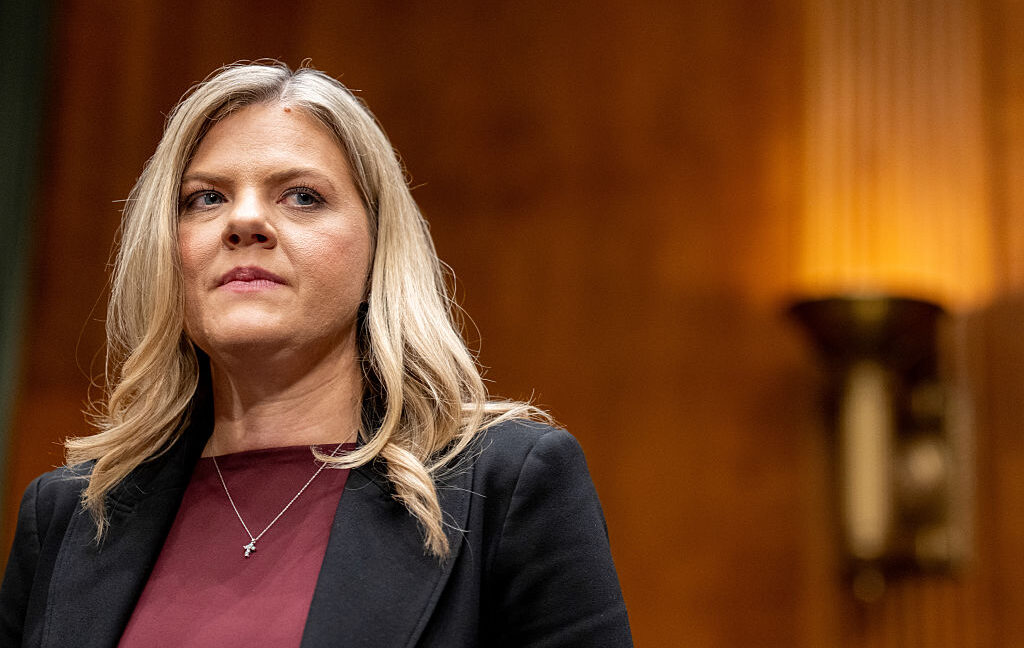
Image: courtesy of Ars Technica
Why the Senate Just Stopped Trump's Scientific Nominees in Their Tracks
The White House dropped Dr. Heidi Overton's nomination to lead the FDA, and the Senate HELP Committee scrapped a vote on Jim O'Neill for the NSF, marking a major legislative roadblock for the administration as time runs out on the current Congress.
Outlook
Background
On Tuesday, November 17, 2026, the White House confirmed it would not move forward with Heidi Overton's FDA commissioner candidacy due to insurmountable Senate opposition. The following day, Senate Health, Education, Labor and Pensions Committee Chairman Bill Cassidy announced the cancellation of a scheduled vote for Jim O'Neill, Trump's nominee to head the National Science Foundation. Senator Cassidy cited O'Neill's role in the controversial firing of Dr. Susan Monarez and his insufficient pushback against statements made by Health and Human Services Secretary Robert F. Kennedy, Jr. as primary factors.
Precedents
Confirmation battles during the final weeks of a congressional session often hinge on math and leverage rather than policy debates alone. When control of the Senate is about to shift, minority parties frequently accelerate resistance while moderate members within the majority party find themselves with decisive swing power.
Federal agencies like the FDA and NSF direct billions in research funding, set drug safety standards, and establish scientific priorities for the nation. Prolonged vacancies or acting leadership can slow down policy execution, stall long-term grant allocations, and create friction between career civil servants and political appointees.
Scenarios
Analysis1. The administration may appoint acting directors to lead both agencies through the remainder of the term, bypassing the confirmation process entirely.
2. Senate Democrats could inherit the authority to vet and confirm permanent nominees once the new Congress is sworn in.
3. Research institutions and pharmaceutical companies may experience delays in regulatory sign-offs and grant disbursements while interim leadership holds the fort.
Timeline
November 17, 2026
White House Pulls FDA Pick
Administration officials confirm the withdrawal of Dr. Heidi Overton's nomination to lead the FDA ahead of a scheduled committee vote.
November 18, 2026
Senate Scraps NSF Vote
Senate HELP Committee Chairman Bill Cassidy halts proceedings for Jim O'Neill's nomination to lead the National Science Foundation.
January 2027
New Congress Convenes
The incoming Senate is scheduled to take office with a Democratic majority, shifting the balance of power for any future executive branch nominations.
Frequently Asked Questions
Dr. Heidi Overton was nominated to lead the Food and Drug Administration, and Jim O'Neill was nominated to head the National Science Foundation.
Discussion
Be the first to share your thoughts.