
Passengers in Dallas opening their ride-hailing applications will now find an option to summon a vehicle that lacks any mechanical means for a human to take control. Unlike traditional autonomous testing vehicles that retain backup steering wheels for safety drivers, the Cybercab relies entirely on Tesla's software stack and remote monitoring systems. The expansion follows hints dropped by AI software chief Ashok Elluswamy during the October 21 Q3 2026 earnings call, where executives signaled that North Texas would be the next proving ground. Yet, Tesla has kept silent on the exact geographic boundaries of the Dallas geofence, leaving commuters to discover whether the service covers downtown high-rises, sprawling suburbs, or specific arterial corridors.
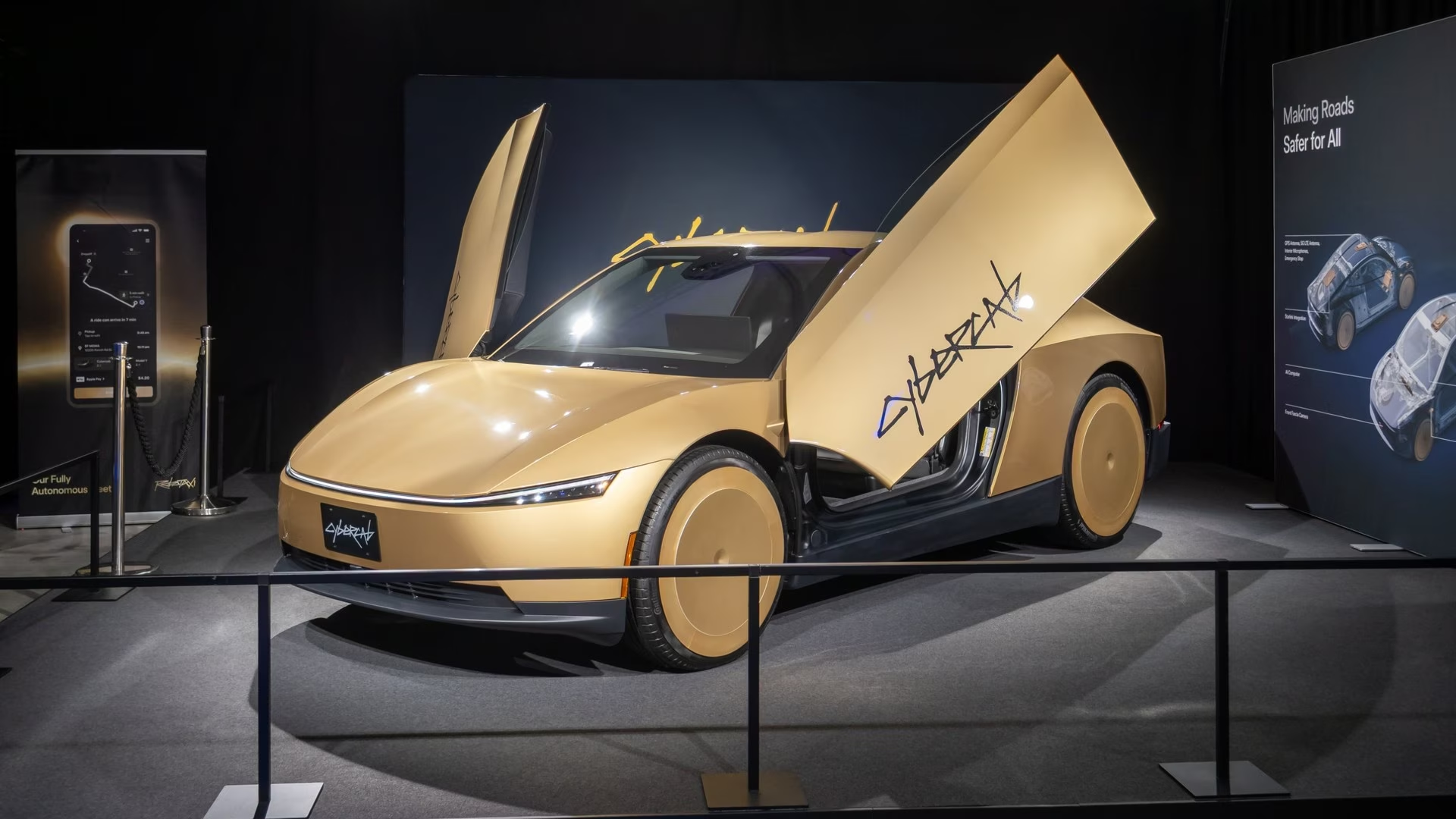
Image: courtesy of Thenextweb
Tesla Drops the Steering Wheel in Dallas: Why the Cybercab Rollout Is Actually a Test of Regulatory Patience
Tesla has expanded its driverless Cybercab service to Dallas, marking the second U.S. city to host the purpose-built vehicle with no steering wheel or pedals. Following its September debut in Austin, the Dallas launch introduces the two-seat robotaxi alongside existing unsupervised Model Y fleets. While the company celebrated the arrival with a social media announcement on November 19, 2026, critical operational details including fleet size, service boundaries, and fare structures remain undisclosed.
Outlook
Background
The transition from retrofitted Model Y sport utility vehicles to purpose-built Cybercabs represents a fundamental shift in automotive manufacturing and urban transit strategy. Tesla's two-seat vehicle eliminates pedals, steering columns, and conventional dashboard controls entirely, reducing interior complexity and production costs per unit. This rollout follows a modest initial deployment in Austin that began in early September 2026. However, scaling this hardware architecture into a dense, unpredictable urban environment like Dallas introduces complex challenges in traffic management, municipal coordination, and edge-case navigation. Notably, Tesla has not released comprehensive safety data or utilization metrics from the Austin pilot, leaving independent analysts to evaluate the platform based on public sightings, social media reports, and app notifications rather than certified operational transparency.
Precedents
The playbook of autonomous vehicle deployment follows a familiar cadence of controlled geographic expansion paired with sparse operational disclosures. Competitors such as Alphabet's Waymo spent years quietly mapping cities, engaging municipal transit authorities, and publishing detailed safety reports before opening commercial rides to the general public. Tesla, by contrast, relies on a rapid, software-first deployment model that prioritizes fleet density and user acquisition over upfront municipal coordination. Historically, this aggressive approach has triggered friction with local regulators and emergency services who must adapt to driverless vehicles operating on public thoroughfares without pre-approved emergency response protocols. The Dallas launch tests whether consumer demand and viral social media adoption can outpace regulatory scrutiny in a state known for permissive transportation laws.
For urban planners and transportation economists, the arrival of steering-wheel-free vehicles in a major metropolitan hub like Dallas signals that autonomous transit is moving from closed testing grounds into everyday city life. For Tesla investors, the deployment serves as the primary real-world test of whether the company's vision for a dedicated robotaxi network can transition from financial projection to operating reality. The absence of traditional controls shifts the entire burden of liability, safety assurance, and passenger trust onto algorithmic decision-making. If the Dallas fleet operates smoothly without major incident, it could accelerate pressure on federal regulators to establish unified national standards for vehicles lacking manual controls. Conversely, any prolonged operational bottleneck or safety misstep in North Texas would immediately stall the broader multi-city rollout strategy that Tesla has pinned its future valuation upon.
Scenarios
Analysis["Tesla could gradually expand the Dallas geofence and fleet size through the winter of 2026, using accumulated miles to support regulatory filings in additional states.","Municipal pushback or unexpected navigation failures in complex Dallas traffic patterns could force Tesla to temporarily pause the service to refine its autonomous software stack.","Rivals in the autonomous transit sector may accelerate their own commercial expansions to counter Tesla's direct-to-consumer robotaxi narrative in major southern markets."]
Timeline
Frequently Asked Questions
Discussion
Be the first to share your thoughts.