
Financial markets will likely scrutinize tech-backed debt agreements more closely, demanding explicit terrestrial custody clauses for physical hardware used as collateral.
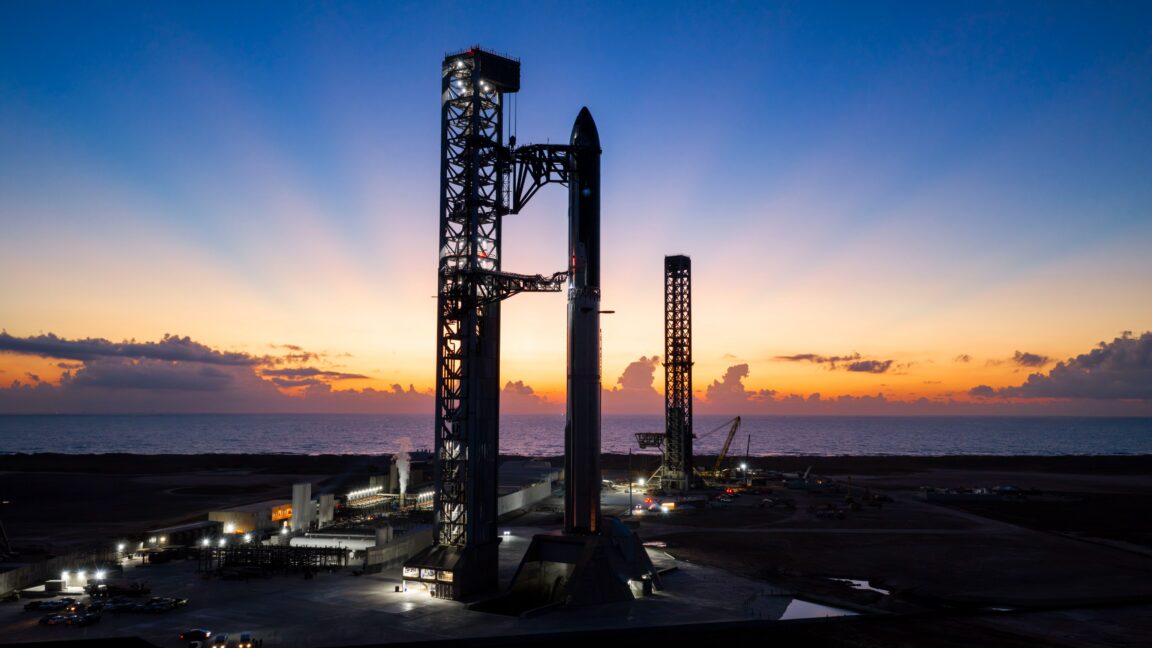
Image: courtesy of Ars Technica
Why SpaceX Lenders Are Terrified of Elon Musk Shooting Their Collateral Into Orbit
As SpaceX secures massive financing for its artificial intelligence infrastructure, institutional investors have raised an unusual demand: keep the Nvidia chips on solid ground where creditors can actually repossess them.
Outlook
Background
SpaceX secured over $19 billion in commitments for a new bond deal—part of a larger $43 billion financing package—backed by advanced AI semiconductors. Major institutional buyers, including Pimco, BlackRock, Goldman Sachs Asset Management, and KKR, anchored the transaction, which features an A-tier rating from Moody supported by strict lease covenants. However, lenders pushed for explicit safeguards after recognizing a tension between SpaceX's terrestrial debt obligations and Elon Musk's long-term ambitions for orbital data centers.
See also
Precedents
Traditional asset-backed lending assumes collateral remains accessible within legal jurisdictions where a court order can enforce seizure upon default. Space-based infrastructure disrupts this baseline, echoing early maritime and aviation finance challenges where physical assets crossed international or extra-legal boundaries, complicating repossession.
When physical hardware functions as financial collateral, its physical location dictates its liquidity. If advanced semiconductors are launched into low Earth orbit, they transition from standard repossessable inventory to inaccessible hardware requiring multi-million-dollar retrieval missions that may be technically or legally impossible. This dispute exposes a fundamental friction between traditional debt structuring and aggressive commercial space expansion.
Scenarios
AnalysisOne possible outcome is that SpaceX formalizes strict terrestrial-only covenants in finalized loan documents, satisfying credit rating agencies and risk committees. Alternatively, lenders could demand higher yields or reduced leverage ratios on future rounds if orbital deployment rights remain ambiguous. A third scenario involves SpaceX structuring future space-specific hardware purchases through entirely separate equity or specialized asset-backed vehicles that do not commingle terrestrial compute clusters with orbital ventures.
Timeline
November 20, 2026
Bond Deal Commitments Secured
SpaceX secures over $19 billion in commitments for a new bond deal as part of a $43 billion financing package.
November 19, 2026
Collateral Safeguard Reports Emerge
Reports surface that lenders have requested explicit contractual restrictions to prevent advanced Nvidia chips from being launched into space.
Frequently Asked Questions
If SpaceX defaults on its debt, lenders rely on seizing and selling the underlying collateral—in this case, high-value AI chips—to recover their money. Chips operating inside data centers on Earth can be easily repossessed, while chips launched into orbit are practically impossible to retrieve.
Discussion
Be the first to share your thoughts.