
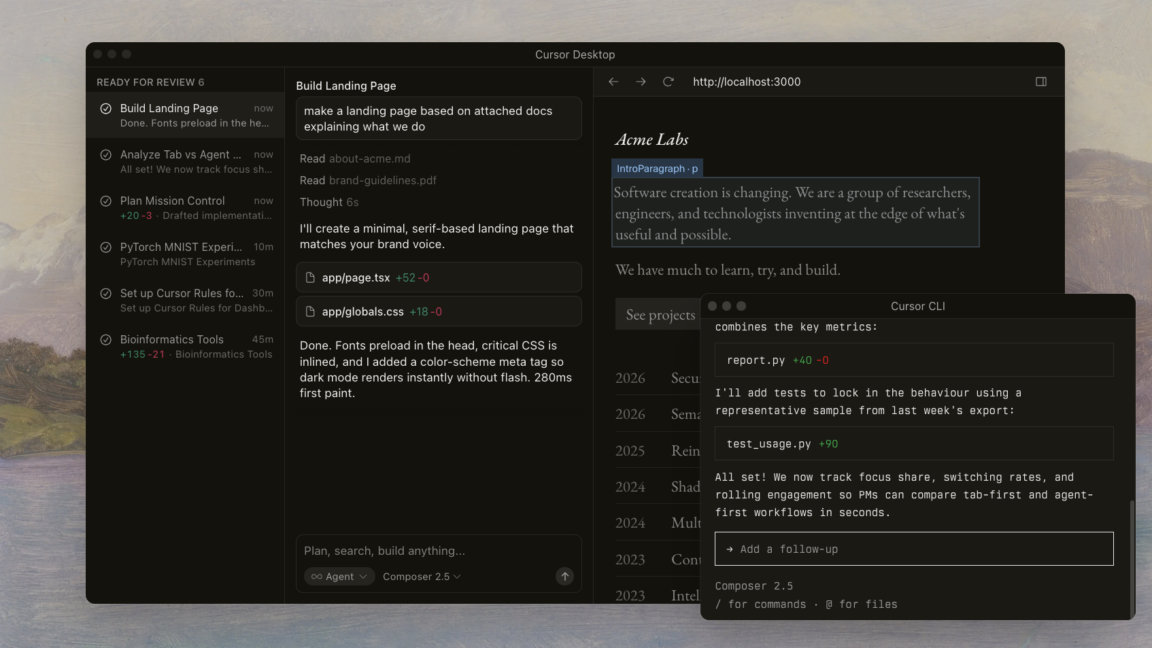
The $60 billion acquisition of Cursor by SpaceX sends a clear signal: the future of complex engineering, even in space, is deeply intertwined with advanced artificial intelligence. Cursor, known for its AI-powered code generation, debugging, and code explanation tools, offers a direct path to automating and accelerating the painstaking process of software development. For SpaceX, this is not merely about incremental improvements; it is about fundamentally rethinking how its vast and intricate software systems are built, tested, and maintained.
Immediately, this move suggests a rapid integration of Cursor's technology into SpaceX's engineering workflows. The company's software stack is immense, spanning everything from flight control systems for reusable rockets and Starship vehicles to the intricate network management of the Starlink satellite constellation. Integrating AI directly into the development environment could allow SpaceX engineers to write code faster, identify bugs more quickly, and even generate entire modules of code with AI assistance. This could reduce the human-hours required for development, potentially freeing up highly skilled engineers to focus on more complex architectural challenges rather than routine coding tasks.
Beyond just writing code, Cursor’s capabilities in code explanation could prove invaluable. SpaceX operates with deeply specialized software, often developed by a core group of experts. As teams grow and projects evolve, understanding legacy code or onboarding new engineers can be a significant bottleneck. AI tools that can quickly explain the function and logic of complex code segments could streamline collaboration and accelerate knowledge transfer within the organization. This acquisition is a direct investment in the intellectual capital and operational efficiency that underpins every launch and every satellite deployed.