
As the potential launch window approaches, defense analysts expect heightened surveillance from NATO space commands to monitor launch sites in the Moscow region. Commercial satellite operators, particularly those managing low-Earth constellations for broadband and reconnaissance, are likely to review contingency protocols for orbital debris and electronic warfare interference. Diplomatic channels between Washington, European capitals, and Moscow will experience acute strain, though formal verification remains challenging due to the inherent secrecy surrounding military payloads. The primary technical hurdle involves whether international bodies can compel compliance or verify the payload's true nature before integration onto a launch vehicle.
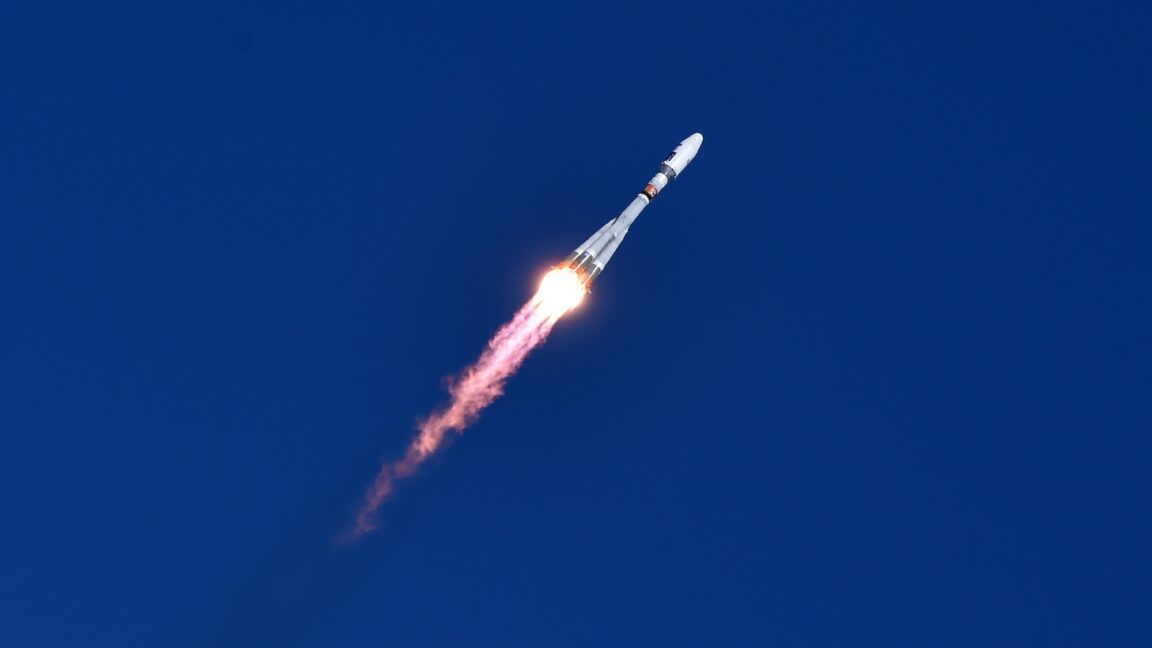
Image: courtesy of Ars Technica
Western Intelligence Warns Russia Is Preparing a Nuclear-Armed Satellite for Orbit
Western intelligence agencies have shared assessments warning that Russia has constructed a satellite capable of carrying a nuclear warhead, designated Sputnik-S, which could be launched into low-Earth orbit as early as next month. The weapon, reportedly stored in the Moscow region for several years, poses a direct challenge to the 1967 Outer Space Treaty and threatens vital commercial and military communication networks. While the Kremlin has dismissed the reports as unworthy of serious consideration, defense analysts and military commands across NATO are scrambling to assess the operational and economic fallout of militarizing low-Earth orbit.
Outlook
Background
The reports stem from joint investigations by Western intelligence agencies, including Germany's Federal Intelligence Service (BND) and the German Armed Forces' Space Command, alongside assessments circulated among NATO allies in November 2026. The satellite in question, named Sputnik-S, has reportedly spent years in storage within the greater Moscow area. Previous warnings from the United States Defense Intelligence Service in October 2026 flagged similar developments regarding Russian space-based nuclear capabilities. Such a deployment would directly violate the 1967 Outer Space Treaty, which prohibits signatories from placing nuclear weapons or weapons of mass destruction in Earth orbit.
Precedents
The militarization of space has long remained a theoretical fear rather than an active operational reality, governed primarily by Cold War-era arms control agreements designed to prevent an orbital nuclear arms race. The 1967 Outer Space Treaty established a foundational legal framework barring weapons of mass destruction from orbit, successfully holding major spacefaring nations in check for nearly six decades. However, the rapid commercialization and congestion of low-Earth orbit over the past ten years have shifted military calculations, turning orbital assets from distant reconnaissance tools into critical nodes for modern terrestrial warfare and economic infrastructure.
The deployment of a nuclear-armed device in orbit fundamentally alters the security architecture of low-Earth orbit, transforming a shared global commons into a potential nuclear theater. Unlike traditional ballistic missiles, an orbital nuclear weapon could theoretically bypass terrestrial early-warning radar networks and strike targets with minimal warning time. More immediately, the detonation of a nuclear device in low-Earth orbit would release an indiscriminate electromagnetic pulse capable of disabling thousands of commercial and military satellites simultaneously. This would devastate global financial transactions, telecommunications, weather forecasting, and military coordination, imposing catastrophic economic costs on every nation regardless of involvement.
Scenarios
AnalysisSeveral scenarios could unfold depending on diplomatic interventions and actual launch execution. First, Russia may proceed with the launch of Sputnik-S under the guise of a standard scientific or reconnaissance mission, daring Western powers to respond without definitive on-site proof of a nuclear payload. Second, intense diplomatic pressure and covert economic sanctions from NATO allies could force Moscow to mothball the satellite indefinitely, repeating the prolonged storage phase observed over recent years. Third, the incident could accelerate the deployment of anti-satellite countermeasures and defensive hardening by Western space commands, triggering a permanent and expensive militarization of low-Earth orbit.
Timeline
Frequently Asked Questions
Discussion
Be the first to share your thoughts.