
Under leadership from Administrator Jared Isaacman, NASA is pivoting away from high-stakes, single-mission sprints toward a steady cadence of robotic deliveries and incremental human flight tests. The agency announced a $30-billion initiative on November 17, 2026, aimed at building a permanent lunar south pole base by 2036. The overhaul scales back the immediate complexity of the Artemis program, shifting Artemis III into an Earth-orbiting test flight to evaluate commercial landing systems before humans ever touch the lunar dust.
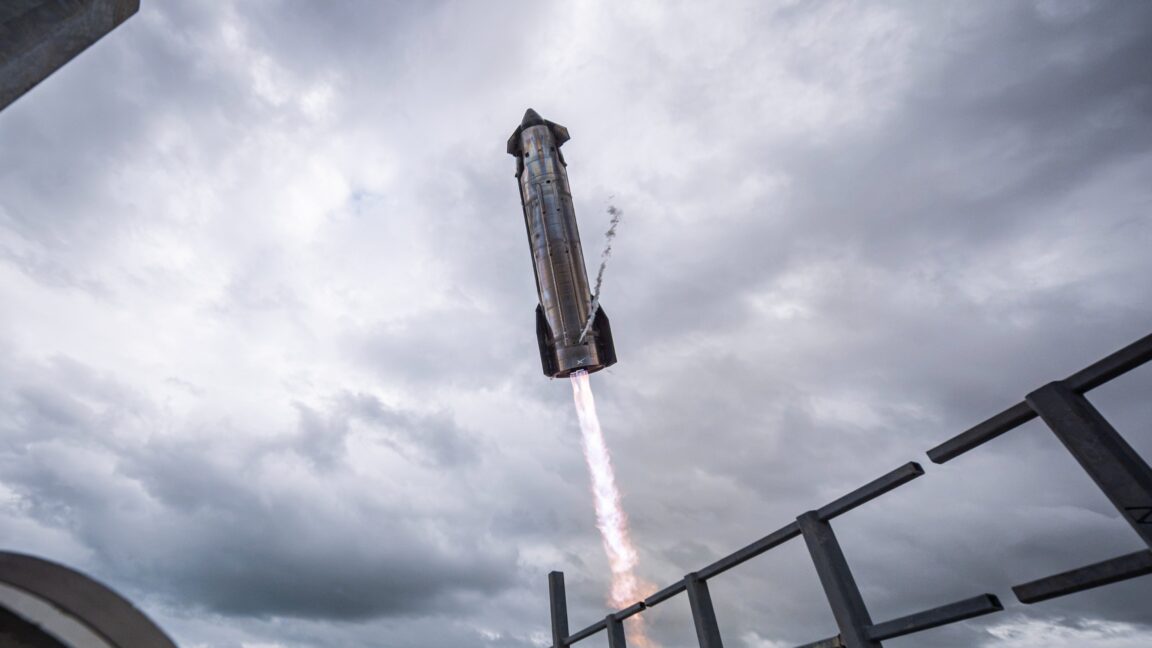
Image: courtesy of Ars Technica
NASA Just Rewrote the Rules of the Moon Race. Here Is What Changed.
NASA's newly unveiled $30-billion lunar roadmap scraps high-risk timelines in favor of a phased, commercial-heavy approach targeting a south pole base by 2036.
Outlook
Background
The strategic pivot follows intense pressure from the Aerospace Safety Advisory Panel, which warned that the original Artemis architecture packed too many unprecedented technical steps into a single mission profile. Rather than attempting a complex polar descent with unproven landers and suits, NASA will deploy twenty robotic landers and rely on commercial partnerships with companies like Blue Origin, Intuitive Machines, and Astrobotic. The international Gateway space station has been temporarily paused as the agency funnels resources directly to surface infrastructure and nuclear power development.
Precedents
Space exploration policy has long swung between ambitious political mandates and conservative engineering corrections. Past efforts like the Constellation program under George W. Bush collapsed under the weight of accumulated technical debt and mismatched budgets, ultimately forcing a rescue through commercial cargo and crew partnerships. The current Artemis restructuring mirrors that historical pivot, trading rigid legislative deadlines for a modular, iterative acquisition model that relies heavily on private sector contractors.
The structural shift redefines how American tax dollars buy space hardware, moving NASA from a prime contractor model to an anchor customer purchasing services. For aerospace suppliers and venture-backed space firms, the $30-billion commitment provides rare multi-year revenue visibility. Yet it also introduces deep execution risk, as commercial providers must deliver complex life support systems, heavy landers, and next-generation spacesuits on compressed timelines.
Scenarios
AnalysisAnalysis suggests three distinct paths forward for the restructured lunar campaign. First, commercial lander providers could successfully complete uncrewed test flights by late 2028, validating the new architecture and keeping the 2036 moon base target viable. Second, technical bottlenecks in spacesuit development and nuclear power integration could trigger cascading delays, pushing human landings past the decade mark. Third, shifting federal budget priorities in Washington could force Congress to pare back the program's scope, curtailing the planned network of twenty robotic deliveries.
Timeline
April 1, 2026
Artemis II Flight
A crewed mission is scheduled to orbit the Moon without attempting a lunar landing.
November 17, 2026
New Moon Plan Unveiled
NASA Administrator Jared Isaacman announces the $30-billion restructured lunar roadmap and base initiative.
2027
Artemis III Test Flight
The mission shifts to a low-Earth orbit test flight to dock with Blue Origin’s Blue Moon lander.
Late 2028
Commercial Moon Landings
Four commercial lunar landings are slated following nearly $600 million in recent contract awards.
2036
Target Base Completion
NASA aims to establish a permanent human presence at the lunar south pole.
Frequently Asked Questions
NASA restructured Artemis III into an Earth-orbiting test flight rather than a lunar landing, responding to safety warnings about the complexity of landing systems and spacesuits.
Discussion
Be the first to share your thoughts.