
Market analysts anticipate immediate stabilization in semiconductor supply chains and renewed confidence in artificial intelligence capital expenditure cycles following Huang's return. However, regulatory bodies in Washington and international trade offices are expected to scrutinize the board's abrupt reversal, particularly regarding ongoing export controls and market concentration.
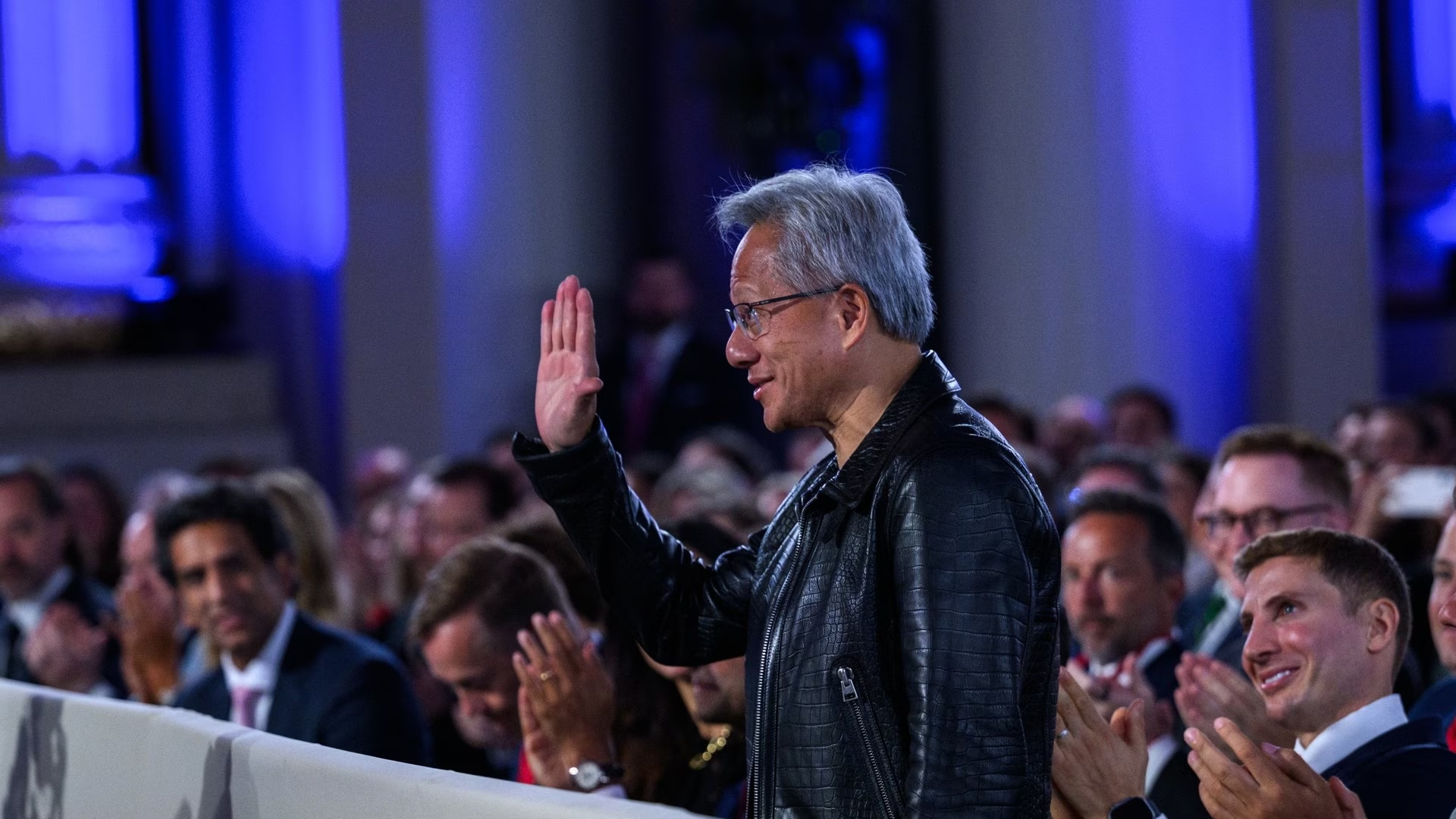
Image: courtesy of Thenextweb
Why Jensen Huang’s Reinstatement at Nvidia Exposes the Fragility of Modern Corporate Governance
Jensen Huang’s rapid return to the helm of Nvidia triggered a chorus of approval from tech billionaires and Wall Street heavyweights, while exposing deep fractures among investors regarding executive power, regulatory scrutiny, and the true cost of corporate board independence.
Outlook
Background
On November 23, 2026, Nvidia's board of directors reversed its prior decision and reinstated Jensen Huang as CEO. The move drew immediate public celebration from figures such as Elon Musk, who posted "The mistake has been corrected," alongside endorsements from activist investor Bill Ackman and Altimeter Capital's Brad Gerstner. Conversely, prominent short-seller Michael Burry condemned the reversal as a sign of institutional weakness, labeling the company "weaker, more craven than even I thought" and urging regulatory watchdogs to maintain active investigations.
Precedents
Corporate history reveals few precedents where a departing chief executive was brought back so swiftly under external shareholder pressure from public social media campaigns. Comparable boardroom showdowns, such as Steve Jobs's return to Apple in 1997 or Howard Schultz's multiple comebacks at Starbucks, demonstrate that charismatic founders often reclaim authority when institutional boards fail to manage succession during periods of intense market dominance.
The public lobbying campaign that forced Nvidia's board to bend illustrates a profound shift in corporate power dynamics, where billionaire allies and vocal investors wield more immediate influence than traditional directors. For institutional shareholders and everyday market participants, this episode raises uncomfortable questions about whether modern tech giants are governed by independent oversight or by the sheer force of personality and market capitalization.
Scenarios
AnalysisOne possible outcome is that Huang's return restores absolute investor confidence, driving Nvidia's stock higher and smoothing out supply agreements across memory and optical chip suppliers as projected by Wall Street firms like Mizuho and BMO Capital. Another potential outcome is that heightened scrutiny from Treasury Secretary Scott Bessent and antitrust regulators leads to formal inquiries into corporate governance and export compliance, creating new operational bottlenecks for the chipmaker.
Timeline
Earlier this month
Activist Pressure Mounts
Investors Brad Gerstner of Altimeter Capital and Gavin Baker of Atreides co-wrote an open letter urging Nvidia's board to bring Jensen Huang back.
November 23, 2026
The Unanimous Reversal
Nvidia's board of directors voted unanimously to reinstate Jensen Huang, prompting immediate public celebration from Elon Musk, Bill Ackman, and President Donald Trump.
November 24, 2026
Polarized Market Reaction
Financial analysts updated their price targets while critics like Michael Burry warned that the board's capitulation signals deep-seated institutional vulnerability.
Frequently Asked Questions
The board reinstated Huang following intense public and private pressure from major investors, prominent tech executives like Elon Musk, and an organized campaign led by hedge fund managers and venture capitalists who argued his leadership was irreplaceable for the artificial intelligence sector.
Discussion
Be the first to share your thoughts.