
Over the coming weeks, investors and industry observers can expect the independent probe led by Wachtell Lipton to dictate the pace of Nvidia's leadership transition. Interim CEO and CFO Colette Kress will continue managing operations while the board weighs internal candidates and external executives, operating under the heavy constraint of regulatory scrutiny regarding corporate secrets and national security.
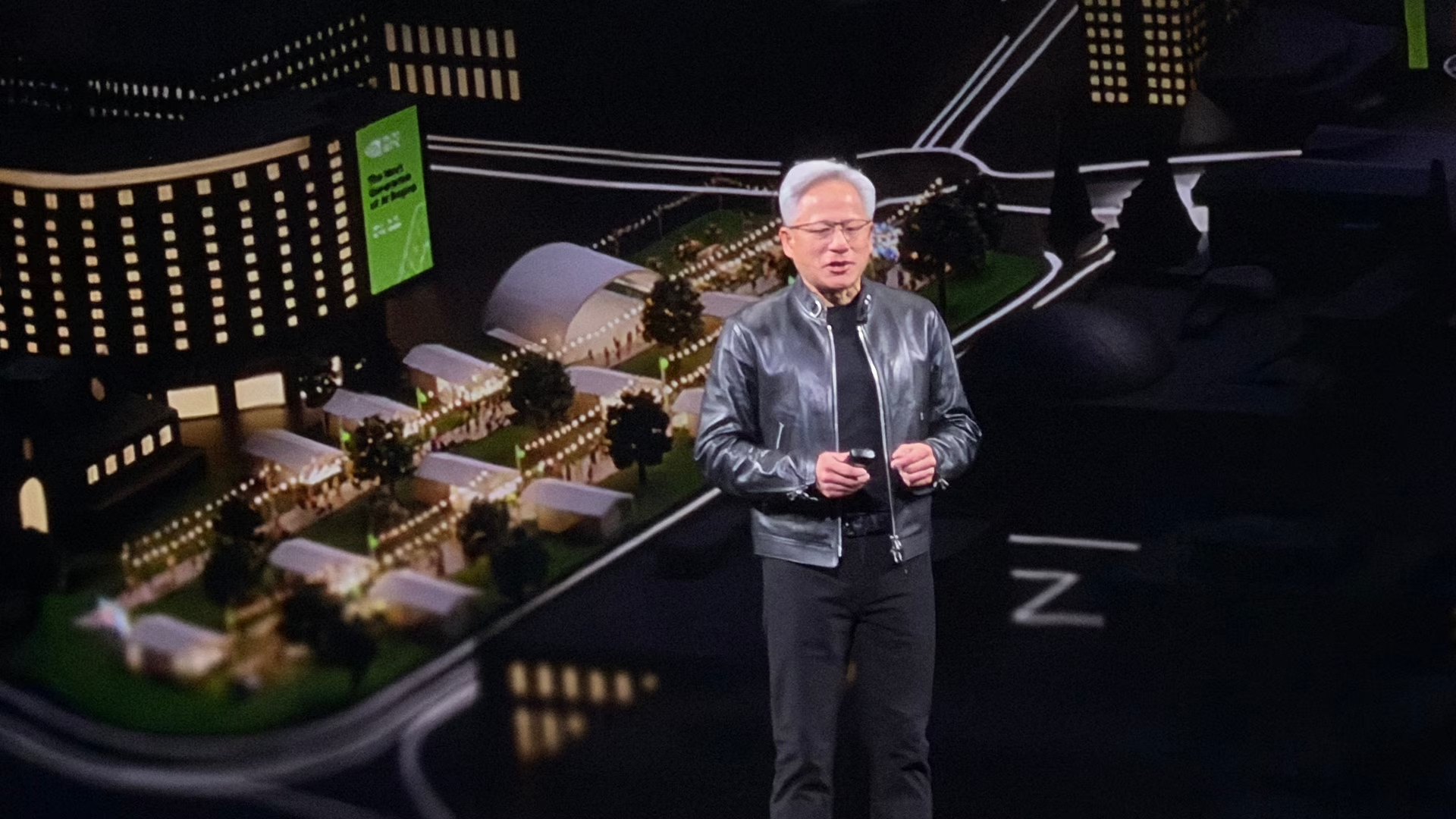
Image: courtesy of Thenextweb
Why Nvidia's Board Is Standing Firm Against Jensen Huang's Bid to Return
Following CNBC reports that Jensen Huang offered to return as Nvidia CEO if asked, the company's board of directors remains unmoving, prioritizing an ongoing national security investigation conducted by law firm Wachtell Lipton over mounting public pressure and a 180,000-signature petition.
Outlook
Background
Jensen Huang resigned from Nvidia on November 11, 2026, after 33 years at the helm, following disclosures regarding an affair. Public outcry was swift: a petition urging his reinstatement drew nearly 180,000 signatures, backed by high-profile figures including Elon Musk and verbal support from President Trump. Despite this outside momentum, sources confirmed to CNBC that the board has held no discussions regarding his return, choosing instead to let the legal investigation run its course.
Precedents
Founder departures driven by personal conduct scandals rarely reverse quickly, even when the executive remains a dominant shareholder and cultural icon. Corporate boards facing external political lobbying and federal scrutiny typically insulate themselves by deferring to independent legal counsel. Historical precedent in the semiconductor sector shows that governance bodies prioritize institutional risk mitigation and compliance over charismatic continuity when national security is invoked.
Nvidia sits at the absolute center of the global artificial intelligence hardware supply chain, making its corporate governance a matter of geopolitical consequence rather than a simple boardroom dispute. When a founder of Huang's stature exits under a cloud of federal investigation, the stability of key enterprise customer relationships, defense contracts, and advanced chip development pipelines hangs in the balance.
Scenarios
AnalysisAnalysis suggests three primary trajectories for Nvidia's leadership crisis. First, the independent investigation could clear Huang of compromising national security or corporate secrets, creating renewed pressure from institutional investors for a negotiated settlement that brings him back in a specialized advisory or executive role. Second, the board could conclude its probe with adverse findings, permanently closing the door on Huang and accelerating an external CEO search to reassure federal regulators. Third, interim leadership under Colette Kress could stabilize operations so effectively that the board bypasses the founder entirely, appointing a permanent corporate executive from outside the semiconductor industry to signal a new governance era.
Timeline
November 8, 2026
Board Issues Initial Statement
Nvidia's board addresses internal developments involving Jensen Huang in a staff communication, maintaining initial operational continuity.
November 11, 2026
Resignation Confirmed
Nvidia files a Form 8-K confirming the board accepted Huang's resignation as president, CEO, and director, effective immediately, while appointing Colette Kress as interim CEO.
November 17, 2026
Board Rejects Reinstatement Talks
CNBC reports that the Nvidia board is not considering bringing Huang back as CEO, focusing entirely on the Wachtell Lipton national security probe.
Frequently Asked Questions
No. Huang resigned from his positions as president, CEO, and director on November 11, 2026. Colette Kress serves as interim CEO while remaining chief financial officer.
Discussion
Be the first to share your thoughts.