
As industrial control systems face increasing cyber threats, retail supply chains and grocery operators will likely face mounting pressure to overhaul their digital security architectures. Cybersecurity analysts expect further scrutiny on the remote-management software used by commercial refrigeration vendors, as nation-state actors continue to exploit low-security connected devices in critical civilian infrastructure.
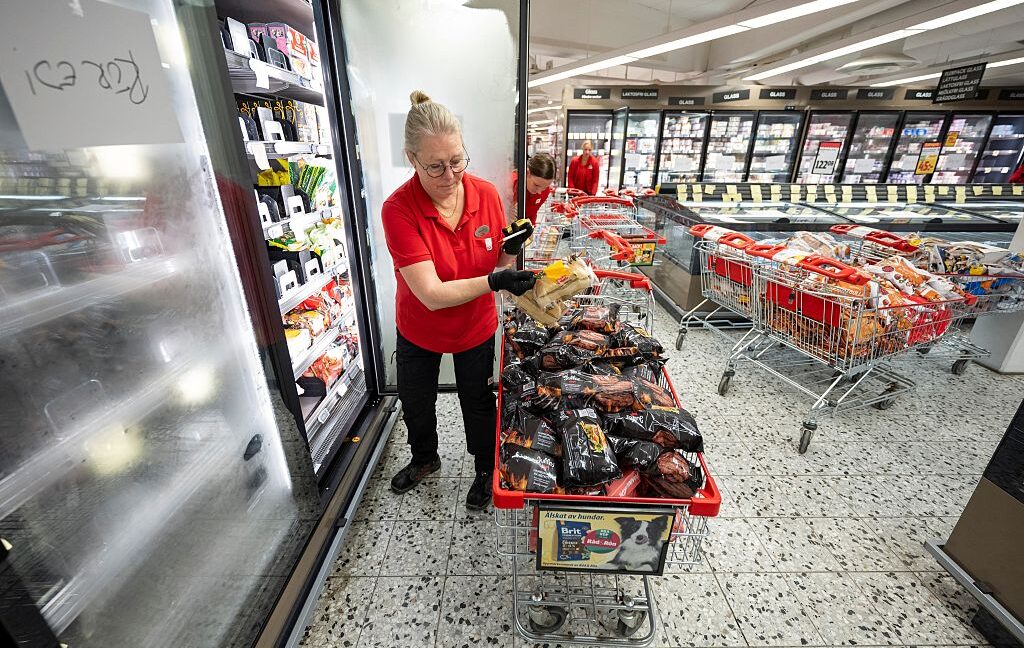
Image: courtesy of Ars Technica
When State-Sponsored Hackers Target Grocery Freezers: Inside Iran's New Sabotage Playbook
Recent findings from cybersecurity firm Rapid7 reveal that state-backed hackers linked to Iran's Islamic Revolutionary Guard Corps have moved beyond data theft to physical sabotage. By infiltrating programmable logic controllers and refrigeration units across more than 700 retail locations, the Shahid Kaveh unit caused widespread food spoilage and at least 15 fires while disguising their operations as common cybercrime.
Outlook
Background
The operation, documented by Rapid7 and attributed to the Shahid Kaveh unit, relied on a sophisticated misdirection strategy. Rather than deploying traditional espionage malware, the hackers used the publicly available Chaos ransomware framework as a smokescreen. This tactical choice allowed state-sponsored operatives to obscure their true intelligence-gathering or disruptive objectives by mimicking financially motivated criminal gangs, complicating attribution for Western incident responders.
Precedents
State-backed cyber operations have historically focused on government networks, telecommunications, and heavy industrial facilities like power grids or uranium enrichment centrifuges. The expansion into commercial retail and grocery infrastructure marks a shift toward soft targets that directly affect consumer daily life. This evolution mirrors past campaigns where Iranian and other national hacking groups tested the vulnerabilities of municipal water systems and small manufacturing facilities using off-the-shelf industrial tools.
Physical infrastructure security has traditionally meant fences, security guards, and fire suppression systems. When state-sponsored actors can remotely manipulate supermarket freezers to cause fires and spoil thousands of tons of perishable inventory, the boundary between digital espionage and physical warfare dissolves. Retail operators now operate on the front lines of geopolitical conflict, facing risks that extend far beyond simple data breaches.
Scenarios
AnalysisSecurity regulators could introduce mandatory cybersecurity standards for commercial building automation and refrigeration systems. Retailers might accelerate the decoupling of operational technology networks from corporate IT environments to prevent lateral movement by attackers. Supply chain disruptions involving temperature-sensitive goods may see increased insurance premiums and stricter underwriting requirements for cyber-physical damages.
Timeline
November 25, 2026
Rapid7 Publishes Sabotage Analysis
Cybersecurity researchers release findings detailing how Iranian state-backed hackers used Chaos ransomware as cover to disrupt commercial refrigeration units.
Earlier in 2026
Targeted Attacks on Retail Infrastructure
Coordinated intrusions compromise programmable logic controllers across more than 700 retail stores, resulting in food losses and physical fires.
Frequently Asked Questions
Security researchers have tied the operations to the Shahid Kaveh unit, which is associated with Iran's Islamic Revolutionary Guard Corps.
Discussion
Be the first to share your thoughts.