
An examination of how appetite-suppressing therapeutics are rippling outward from endocrinology wards into agricultural markets, meat production chains, and national carbon accounting frameworks.
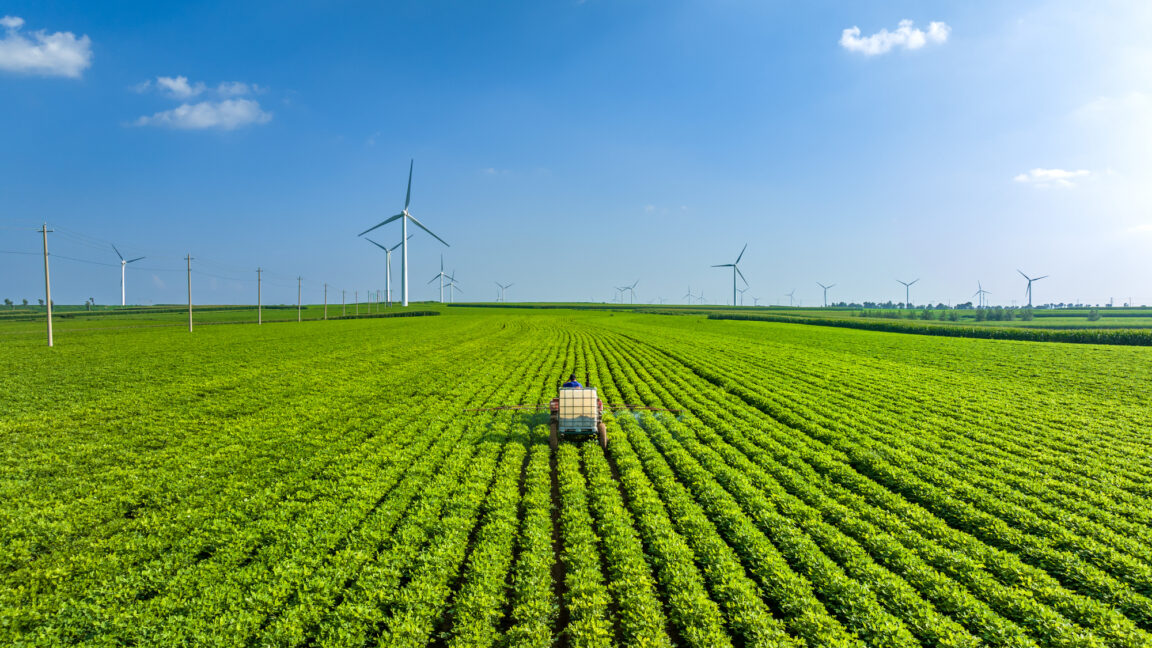
Image: courtesy of Ars Technica
How Ozempic and Wegovy Are Quietly Rewriting the Global Carbon Budget
Recent research reveals that GLP-1 weight-loss medications like Ozempic and Wegovy could shrink the global agricultural footprint by 32 million hectares and slash individual emissions by more than 760 kilograms annually, outstripping the climate impact of electric vehicle adoption.
Outlook
Background
Studies published in late 2026 indicate that GLP-1 receptor agonists—widely known by brand names such as Ozempic and Wegovy—do far more than regulate blood sugar and curb individual cravings. By fundamentally altering how much and what types of food patients consume, these treatments are beginning to exert a quiet, structural pressure on the global food system. Agricultural economists and climate scientists are evaluating whether the reduction in caloric intake, particularly the drop in demand for resource-intensive livestock products like beef, could permanently alter land use patterns over the coming decades.
Precedents
For decades, environmental policy treated diet and agriculture as intractable problems governed by voluntary consumer choices, public awareness campaigns, or punitive carbon taxes. Past efforts to shift global diets toward lower-carbon alternatives yielded modest results because they asked consumers to voluntarily alter ingrained habits. Pharmaceutical interventions, by contrast, bypass behavioral persuasion entirely by targeting the biological mechanisms of hunger, introducing a new variable into supply-and-demand economics.
The intersection of pharmaceuticals and climate policy forces a rethink of how modern societies tackle greenhouse gas emissions. When a medication designed for metabolic health achieves a per-capita carbon reduction of roughly 762.7 kilograms of CO2-equivalent per year—surpassing the estimated benefit of switching to an electric vehicle or adopting a strict vegetarian diet—it blurs the traditional boundaries between healthcare policy and environmental engineering. For food producers, meat processors, and agricultural lenders, this shift introduces an entirely unmodeled source of demand destruction.
Scenarios
AnalysisAgricultural land use could undergo a massive contraction, freeing up as much as 32 million hectares by 2050—an area larger than Italy—as livestock demand wanes. Conversely, widespread adoption of oral GLP-1 formulations currently in development could accelerate these dietary shifts faster than agricultural markets can structurally adapt, creating severe localized economic distress in farming communities.
Timeline
November 2025
Initial Carbon Impact Studies
Researchers publish early findings quantifying the direct greenhouse gas reductions associated with the reduced caloric intake of GLP-1 users.
November 2026
Land-Use Projections Released
Comprehensive economic models suggest widespread GLP-1 adoption could free up 32 million hectares of agricultural land by mid-century.
2028 (Projected)
Oral GLP-1 Market Entry
Analysts suggest upcoming oral formulations from major pharmaceutical developers could dramatically lower the barriers to patient access and expand utilization rates.
Frequently Asked Questions
GLP-1 medications suppress appetite and slow digestion, leading patients to consume significantly fewer total calories. Because livestock production—particularly beef—generates disproportionately high amounts of greenhouse gases and requires vast agricultural inputs, a drop in consumer demand translates directly into lower agricultural output and reduced emissions.
Discussion
Be the first to share your thoughts.