
An examination of how pharmaceutical appetite suppressants alter global calorie consumption, the specific mechanisms driving agricultural land-use changes, and the logistical contradictions of medical waste management that accompany widespread drug adoption.
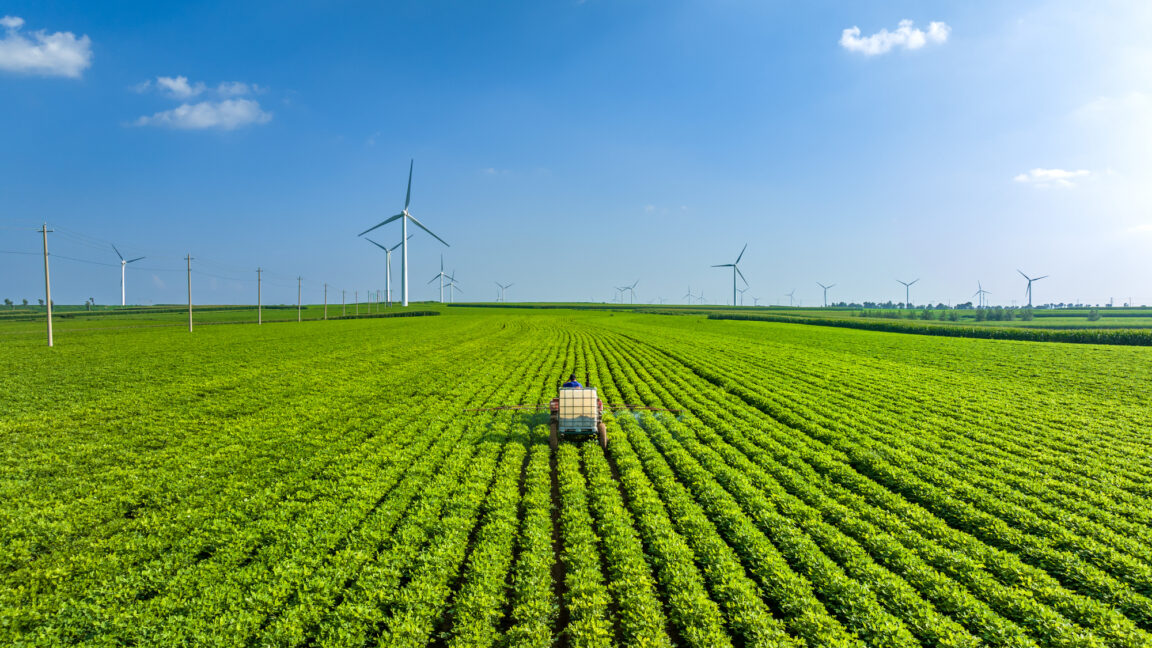
Image: courtesy of Ars Technica
How Ozempic and Wegovy Are Quietly Rewriting the Global Carbon Budget
Recent research reveals that GLP-1 weight-loss drugs like Ozempic and Wegovy could reduce greenhouse gas emissions by up to 762 kg per person annually and free up 32 million hectares of agricultural land by 2050. This analysis examines the unexpected environmental dividends of America's pharmaceutical obsession, from shifting cattle demand to the hurdles of medical waste disposal.
Outlook
Background
CONFIRMED: GLP-1 receptor agonists such as Ozempic and Wegovy reduce individual caloric intake by mimicking gut hormones that signal fullness. Recent studies published in late 2025 and 2026 indicate that continuous users of these medications achieve per-capita greenhouse gas emission reductions ranging from 695 to 762.7 kilograms of CO2 equivalent annually, primarily through reduced consumption of resource-intensive foods like beef. INFERRED: This behavioral shift in food purchasing alters upstream supply chains, meaning agricultural producers will face structural demand destruction as prescription volumes expand globally. SPECULATIVE: If oral GLP-1 formulations arrive by 2028, patient adoption rates could accelerate exponentially, bringing forward land-use reallocations that researchers previously modeled for 2050.
Precedents
Environmental policies have traditionally focused on supply-side interventions—taxing carbon, mandating electric vehicles, or subsidizing renewable energy generation. Demand-side interventions driven by consumer lifestyle changes or medical disruptions remain rare. Historically, public health interventions rarely factor into macroeconomic land-use projections, leaving agricultural economists scrambling to model how pharmaceutical shifts compare to traditional conservation policies.
The intersection of pharmaceutical manufacturing and climate policy represents an unmapped frontier in corporate sustainability. When a medication designed to treat metabolic disorders achieves a carbon reduction footprint larger than switching to an electric vehicle, traditional silos between healthcare, agriculture, and environmental regulation begin to dissolve. Policymakers can no longer view drug pricing and obesity rates purely through the lens of healthcare expenditure; they now represent direct variables in national carbon accounting.
Scenarios
AnalysisAgricultural conglomerates may face accelerated downsizing of cattle-rearing operations as consumer demand patterns permanently shift. Healthcare payers and climate regulators could establish cross-sector credits, recognizing pharmaceutical interventions as legitimate carbon-reduction tools. Plastic waste from single-use injection devices could counteract corporate sustainability gains if regulatory agencies fail to mandate stricter disposal protocols for expanding user bases.
Timeline
November 2025
Initial Carbon Accounting Studies Published
Researchers publish findings demonstrating that GLP-1 users produce significantly fewer carbon equivalents through lowered caloric consumption, outstripping the per-capita savings of vegetarian diets.
March 2026
Agricultural Land-Use Projections Released
Studies estimate that widespread adoption of appetite suppressants could free up 32 million hectares of agricultural land by 2050, matching the geographic footprint of Italy.
2028 (Projected)
Oral GLP-1 Market Entry
Anticipated readouts and market launches for oral small-molecule GLP-1 alternatives from developers like Eli Lilly and Pfizer could remove injection barriers and scale user counts significantly.
Frequently Asked Questions
By suppressing appetite, these medications cause individuals to consume fewer calories overall, with a disproportionate drop in the consumption of beef and other resource-intensive animal proteins. Lower demand at the grocery store translates directly into reduced agricultural production, feedlot emissions, and supply chain transport overhead.
Discussion
Be the first to share your thoughts.