
Readers can expect a deep dive into the economic mechanics of modern Formula One street races, why Liberty Media chose Las Vegas to anchor its American expansion, and how the race's unique operational challenges shape the business of motorsport.
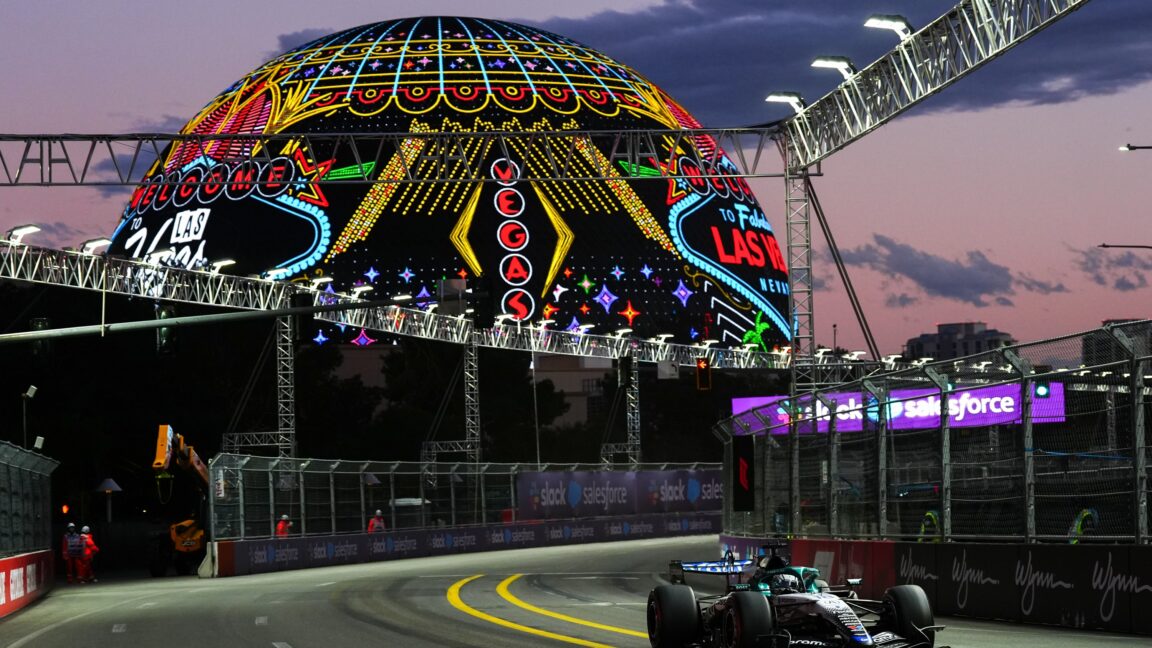
Image: courtesy of Ars Technica
How Liberty Media Turned the Las Vegas Grand Prix Into F1's High-Stakes Financial Engine
An analysis of how the Las Vegas Grand Prix transformed from a risky promoter-led street race into a cornerstone of Formula One's commercial strategy, underpinned by a contract extension through 2037.
Outlook
Background
Formula One and local officials secured an agreement to keep the Las Vegas Grand Prix on the racing calendar through 2037, following a sequence of events that began with the inaugural race on November 18, 2023. Unlike traditional circuits owned by independent promoters, Liberty Media and F1 acted as their own promoter for the Las Vegas event, acquiring land and building a permanent paddock facility directly off the Las Vegas Strip. The 2026 race concluded with Max Verstappen securing his third victory in the city amid a chaotic race featuring over 30 lead changes.
See also
Precedents
Street circuits in North America have historically struggled with local municipal friction, high infrastructure costs, and short-lived commercial viability, as seen during the 1980s Caesars Palace races or various Champ Car street events. Formula One's modern strategy diverges sharply from this precedent by vertically integrating promotion and leveraging corporate hospitality revenue to subsidize the immense capital expenditure of shutting down major urban thoroughfares.
The long-term commitment through 2037 signals a structural shift in how Formula One generates revenue, moving away from traditional European sanctioning fees toward high-margin entertainment hubs in major global tourism markets. For the racing industry, it demonstrates that modern motorsport properties can function successfully as year-round corporate real estate assets rather than temporary sporting venues.
Scenarios
AnalysisOne possible outcome is that sustained local friction over recurring street closures could force minor layout adjustments or increased municipal fees over the next decade. Another outcome is that the race's financial success could inspire Liberty Media to replicate the self-promoted street circuit model in other primary global tourism capitals, permanently altering the traditional Formula One calendar structure.
Timeline
November 18, 2023
Inaugural Las Vegas Grand Prix
Formula One returned to Las Vegas for the first time since 1982, utilizing a brand-new street circuit winding past the Las Vegas Strip and the Bellagio.
June 4, 2026
Contract Extension Through 2037
Formula One officially announced an extension of the Las Vegas Grand Prix agreement, locking the event onto the world championship calendar for another decade.
November 2026
The 2026 Las Vegas Grand Prix
Max Verstappen won the race following a competitive contest featuring more than 30 lead changes on the Strip circuit.
Frequently Asked Questions
Formula One and local stakeholders signed an agreement to host the race through 2037, ensuring the event remains a fixture of the calendar for the foreseeable future.
Discussion
Be the first to share your thoughts.