
Federal courts and Army leadership will navigate a pressurized weekend following the postponement of the Middletown, Iowa explosion. Environmental groups are pressing for an immediate halt to open-air detonation, arguing that toxic lead dust could travel up to 100 miles across agricultural regions. Meanwhile, Army engineers face a narrow operational window ahead of forecasted freezing temperatures that risk destabilizing the material further inside its storage solution.
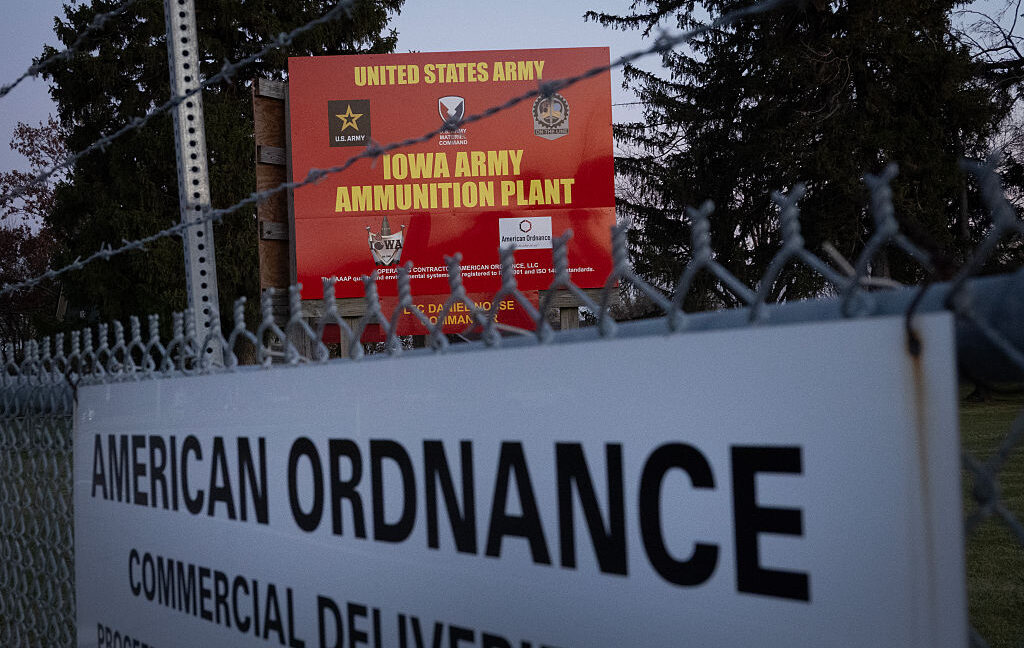
Image: courtesy of Ars Technica
Why the Army's 5-Ton Lead Azide Crisis in Iowa Puts Public Safety on a Collision Course With Chemical Decay
The U.S. Army postponed the controlled detonation of nearly 10,000 pounds of degraded lead azide at the Iowa Army Ammunition Plant until Monday, November 23, 2026, following intense public backlash, congressional pressure, and environmental lawsuits. The aging explosive material has recrystallized into a state so volatile that engineers warn temperature drops could trigger a spontaneous blast.
Outlook
Background
The hazardous material in question is roughly 9,500 pounds of lead azide, a primary explosive used in detonators and military ordnance. Discovered to be degraded in March 2026 at the Iowa Army Ammunition Plant in Middletown, the chemical was submerged in a water and ethanol solution. Temperature fluctuations caused the compound to dissolve and recrystallize, making it acutely sensitive to shock, friction, static electricity, and heat. The Army maintains that a controlled outdoor blast is the only safe disposal method remaining, but residents and local officials argue they were given insufficient warning before the originally scheduled Friday operation.
Precedents
Aging munitions disposal frequently exposes the friction between military operational security and civilian environmental safety. Similar tensions have played out across legacy ammunition plants nationwide, where decades-old chemical stockpiles degrade beyond their design parameters. When chemical stabilizers fail in compounds like lead azide or nitroglycerin, standard transport protocols become too dangerous, forcing military commands into difficult choices between urban proximity and remote detonation.
The standoff in southeastern Iowa illustrates the widening gap between military necessity and community consent in handling hazardous defense infrastructure. For families living within evacuation zones, the crisis represents a direct threat to personal safety and agricultural soil. For the defense apparatus, it highlights the mounting operational risks of managing aging Cold War-era chemical inventories without robust, proactive public communication.
Scenarios
Analysis1. The Army proceeds with the controlled detonation on Monday, November 23, 2026, after weather monitoring confirms temperature stability, under heavy environmental oversight.
2. Federal courts intervene over the weekend, temporarily blocking the open-air blast and forcing the Army to engineer a secondary containment or chemical neutralization method.
3. A sudden weather shift over the weekend forces an emergency response if the degraded material shows signs of destabilization before Monday's scheduled window.
Timeline
March 2026
Degradation Discovered
Army inspections at the Iowa Army Ammunition Plant identify that stored lead azide has degraded within its water-ethanol solution.
April 2026
Initial Briefings Held
Plant officials brief the Environmental Protection Agency and local stakeholders regarding the condition of the volatile chemical waste.
November 20, 2026
Detonation Postponed
Acting Army Secretary Adam Telle announces a delay of the Friday detonation until Monday, November 23, amid lawsuits and public outcry.
Frequently Asked Questions
Lead azide is a heavy metal salt used as a detonating agent in military ordnance. When it degrades and recrystallizes, it becomes extremely sensitive to minor friction, static electricity, and temperature changes, raising the risk of accidental explosion.
Discussion
Be the first to share your thoughts.