
As the Premier League season moves deeper into November 2026, Manchester United faces a demanding stretch of fixtures against top-tier opponents. Executive leadership under INEOS, Omar Berrada, and Jason Wilcox will face intensified scrutiny regarding capital allocation for the upcoming transfer window, while matchday crowds at Old Trafford will test whether fan patience can survive another winter of poor results.
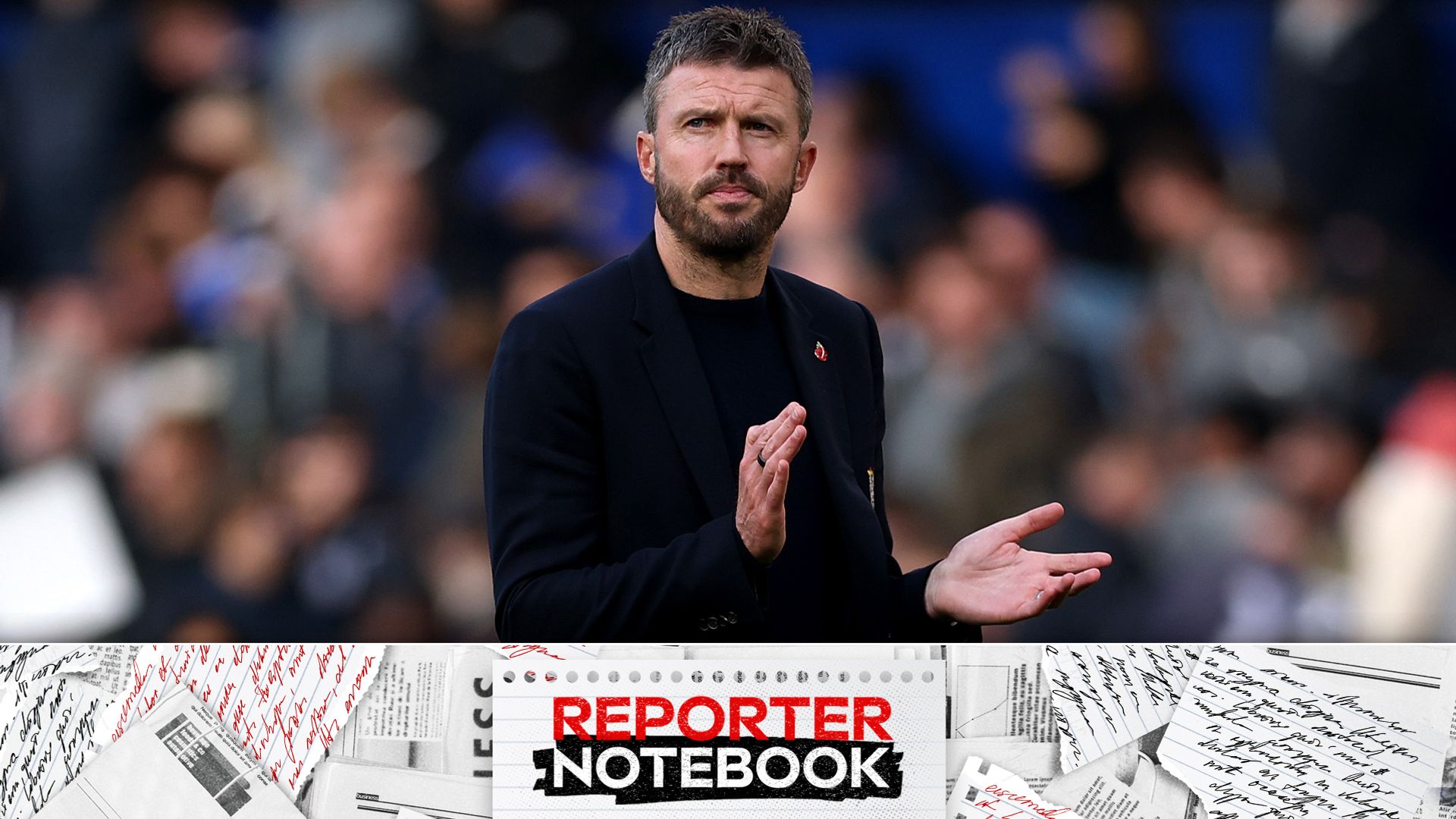
Image: courtesy of Sky sports
Why Manchester United Fans Keep Backing Michael Carrick Despite a Historic Slump
Even as Manchester United sits 15th in the Premier League following a 3-0 defeat to Bournemouth, sections of Old Trafford continue to chant Michael Carrick's name. This resilience among supporters points to a deeper fatigue with ownership, corporate leadership, and decades of mismanaged player recruitment rather than blind faith in the manager.
Outlook
Background
Following a 3-0 home defeat to Bournemouth on November 1, 2026, Manchester United accumulated just seven points from their opening seven matches, marking the club's worst start in forty years. Despite the dismal run and chants of frustration from sections of the stadium, supporters in the Stretford End also offered vocal backing for head coach Michael Carrick. This reaction underscores a complex web of accountability where fans increasingly direct their anger toward executive decision-making and ownership structures rather than pinning every failure solely on the dugout.
Precedents
Old Trafford has witnessed a repetitive managerial cycle since Sir Alex Ferguson's retirement in 2013, with elite managers arriving to high expectations before falling victim to structural dysfunction. David Moyes, Louis van Gaal, José Mourinho, Ole Gunnar Solskjær, and Erik ten Hag all experienced similar downward spirals characterized by heavy spending, misaligned recruitment, and ultimate dismissal. The current reluctance among some supporters to immediately demand Carrick's removal reflects fatigue with this cyclical pattern, suggesting many fans recognize that changing the head coach without addressing underlying operational constraints changes very little.
The dynamic between Manchester United supporters and the coaching staff exposes the limits of traditional managerial accountability in modern football. When a club with a multi-billion-dollar valuation and massive global revenue struggles to maintain basic competitive standards, the pressure shifts away from the pitch and toward boardroom execution. For investors, sports executives, and rival clubs, how INEOS manages this pressure will serve as a bellwether for whether corporate sports ownership can successfully overhaul a deeply ingrained institutional culture.
Scenarios
AnalysisAnalysis suggests several paths forward for Manchester United as the season progresses. One possible outcome is that executive leadership under INEOS maintains faith in Carrick through the winter, using the January transfer window to address squad deficiencies while absorbing short-term losses. Alternatively, mounting relegation fears and worsening results could force management to dismiss Carrick, initiating yet another interim managerial search. A third possibility involves a compromise where performances stabilize enough to secure mid-table respectability, buying leadership the time required to restructure the club's football operations from top to bottom.
Timeline
August 2026
Season Opens Under Pressure
Manchester United begins the 2026-2027 Premier League campaign under heavy scrutiny following an inconsistent summer transfer window.
October 2026
Results Deteriorate
A winless streak across multiple competitions drops the club into the bottom half of the Premier League table, sparking initial fan unrest.
November 1, 2026
Bournemouth Defeat and Stretford End Reaction
A 3-0 home loss to Bournemouth leaves United in 15th place, yet portions of the Old Trafford crowd chant in support of Michael Carrick, highlighting divided fan sentiment.
Frequently Asked Questions
While many supporters are frustrated, some fans view Carrick as a victim of longer-term structural issues at the club rather than the sole root cause. Their chants reflect sympathy for a former player trying to manage a deeply flawed squad and a desire for stability rather than another disruptive managerial sacking.
Discussion
Be the first to share your thoughts.