
Veridact
TechSportsFinanceGaming🎯 PredictionsAbout
Sign InSign Up
Veridact

AI-powered anticipation analysis. We cover tech, sports, finance, and gaming events before they happen — with historical context, scenario modeling, and evolving coverage.

Stay ahead of the story

Analysis delivered before events unfold.

Coverage

  • Tech
  • Sports
  • Finance
  • Gaming

Company

  • About Us
  • Privacy Policy

© 2026 Veridact. AI-assisted analysis platform.

Analysis is AI-generated and not professional financial, legal, or medical advice.

Sports
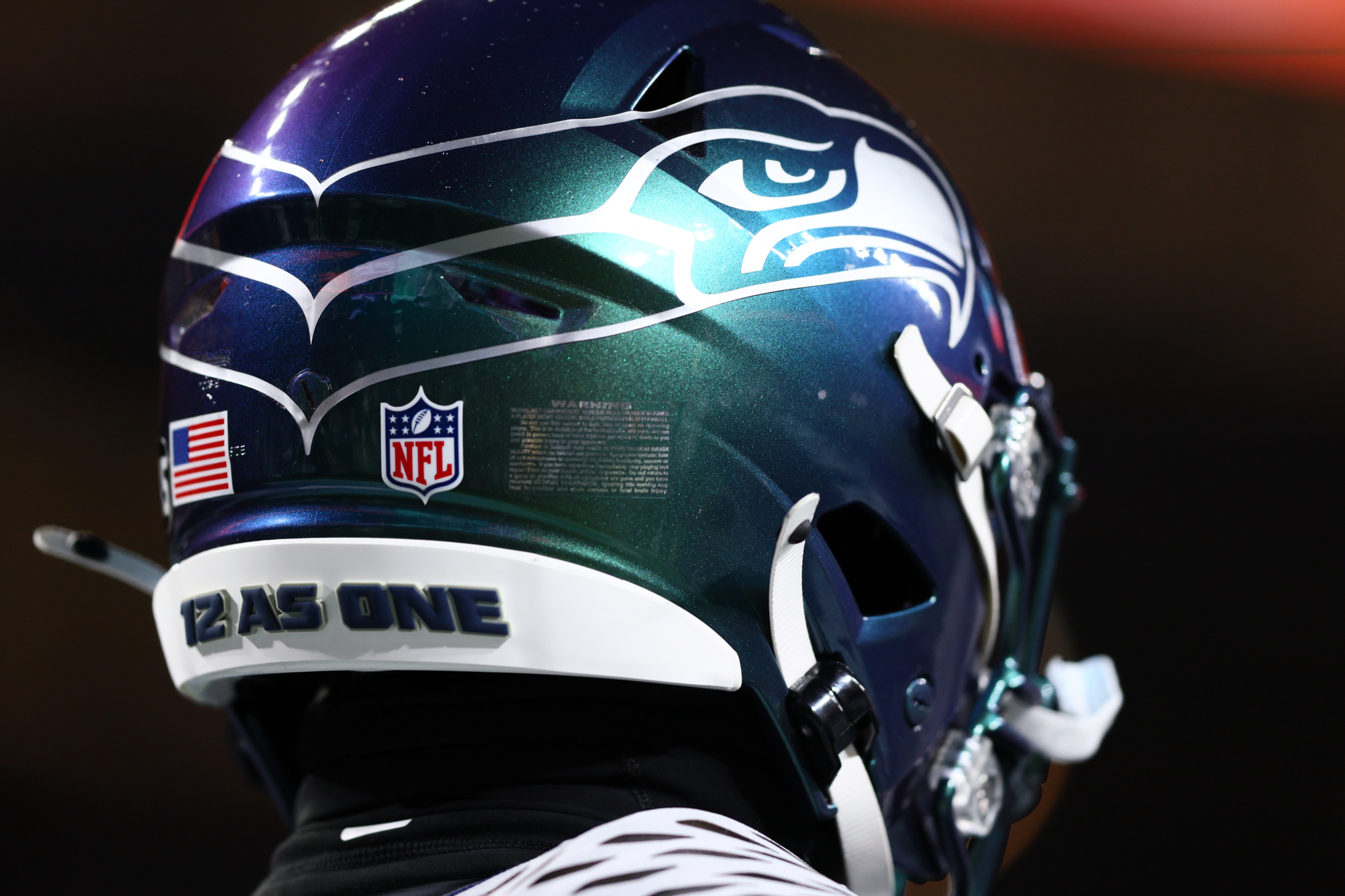
NFL News: Potential Timeline Emerges for Historic Seattle Seahawks Sale

Image: courtesy of Sportsnaut

sportsJune 14, 2026By Veridact EditorialUpdated Jun 14

The $7 Billion Liquidation: Inside the Emerging Timeline for the Seattle Seahawks Sale

The long-delayed sale of the Seattle Seahawks is finally moving toward the starting block. Following years of quiet stewardship by Jody Allen, trustee of the Paul G. Allen Trust, a potential timeline has emerged that could see the NFL franchise change hands by late 2027. The deliberate pace of this transition was never a sign of indecision; rather, it was a highly calculated financial strategy. By waiting out a state-mandated tax penalty that expired in 2024, the trust preserved hundreds of millions of dollars destined for philanthropic causes. Now, with sports franchise valuations at record highs and the NFL opening its doors to private equity, the mechanics of one of the largest transactions in sports history are beginning to turn. This process will test the limits of individual billionaire wealth and redefine the financial ecosystem of professional sports in the Pacific Northwest.

What to Expect

The formal sales process for the Seattle Seahawks is expected to begin in earnest during the first half of 2027, according to industry sources familiar with the trust's obligations. While the trust has maintained a strict public silence, the underlying legal mandates governing Paul Allen’s estate require the eventual liquidation of his major assets, including both the Seahawks and the NBA's Portland Trail Blazers.

This is not a distressed sale. The Seahawks operate as a highly profitable enterprise with a passionate, established fan base and a modern stadium lease. This financial health allows the trust to dictate terms and wait for the absolute peak of the market cycle.

So, what is the actual sequence of events we should expect over the next eighteen months?

First, the trust is highly likely to retain a major investment bank—such as Inner Circle Sports, Galatioto Sports Partners, or Allen & Company—to quietly gauge interest among ultra-high-net-worth individuals. This initial exploratory phase is anticipated to occur in late 2026. Unlike typical corporate mergers, NFL transactions require intense vetting. Any prospective buyer must have the liquid capital to cover at least 30% of the purchase price in cash, a rule that severely limits the pool of eligible individual buyers.

Second, the league itself must prepare. The NFL's finance committee will play an active role in structuring the transaction. This indicates that the league will closely monitor the sale to ensure it sets a new valuation benchmark, raising the floor for all other franchise owners.

A formal bidding war is the most probable mechanism to maximize value. Analysts suggest the opening bid will start no lower than $6.5 billion, with the final price potentially climbing past $7.2 billion. This would comfortably surpass the $6.05 billion record set by Josh Harris's acquisition of the Washington Commanders in 2023.

Key Context

To understand why this sale is emerging now, one must look back to 1997. When Paul Allen purchased the Seahawks to prevent the team from relocating to Southern California, public funding was secured to build what is now Lumen Field. As part of that public-private partnership, Referendum 48 was passed by Washington voters. This law included a strict covenant: if Paul Allen or his estate sold the team within 25 years of the first bond issuance for the stadium, 10% of the gross sale price would be paid back to the state of Washington.

That 25-year window officially closed in May 2024.

Had the trust sold the team in 2023 for a hypothetical $6 billion, it would have owed the state a staggering $600 million. By simply waiting until after the May 2024 deadline, Jody Allen saved the trust more than half a billion dollars. This represents a massive win for the estate's ultimate beneficiaries: the various scientific, environmental, and cultural charities that Paul Allen championed during his lifetime.

But another regulatory shift has occurred since that deadline passed. In late 2024, NFL owners voted to allow select private equity firms to buy up to 10% passive stakes in franchises. This policy change directly alters the math for a Seahawks transaction.

Why does a minor policy change about private equity matter to a multi-billion-dollar team sale?

The answer lies in the sheer scale of modern sports transactions. As franchise prices climb toward $7 billion, the number of individuals who can write a multi-billion-dollar check while meeting the NFL’s strict debt limits has shrunk to a handful of global oligarchs and tech founders. By allowing private equity firms to buy up to 10% of a team, the NFL has injected a new source of liquidity into the market. A primary buyer no longer has to carry the entire financial burden alone; they can partner with institutional funds to bridge the gap. This structural change significantly lowers the execution risk of a historic sale.

Historical Patterns

The modern playbook for NFL franchise sales was written during the recent transactions in Denver and Washington. When the Bowlen family sold the Denver Broncos in 2022 for $4.65 billion to a group led by Walmart heir Rob Walton, it signaled a transition from legacy family ownership to ultra-wealthy corporate dynasties. Just a year later, the Washington Commanders sale proved that the appetite for NFL assets remained insatiable, even for franchises plagued by years of off-field controversy and declining fan engagement.

The Seahawks represent a far cleaner asset than either the Broncos or the Commanders at their times of sale. Seattle boasts a stable front office, a highly loyal regional market, and a stadium lease that runs through the late 2020s.

This implies that the bidding process will likely attract a different tier of buyers. Historical patterns suggest that tech billionaires from the Seattle and Silicon Valley corridors will be prime candidates. The Pacific Northwest is home to some of the wealthiest individuals on earth, many of whom have existing ties to the region's sports and business communities.

We can also look to the NBA's Portland Trail Blazers, the other crown jewel of the Paul Allen estate. While NBA and NFL sales operate on different tracks, the trust’s fiduciary obligation applies equally to both. Rumors of a Trail Blazers sale have circulated for years, with Nike founder Phil Knight making a formal $2 billion offer in 2022 that was ultimately rebuffed. The trust's refusal to accept that early offer indicates a highly disciplined strategy: they will not sell until they believe they have extracted the absolute maximum value from the market.

The real stakes of this transaction extend far beyond the football field. The Paul G. Allen Trust is not a corporate conglomerate seeking to reinvest profits into new business ventures; it is a vehicle designed to fund philanthropy. Paul Allen was a signatory of the Giving Pledge, committing the vast majority of his wealth to charitable causes, including brain research, ocean health, and artificial intelligence safety.

As long as the Seahawks and Trail Blazers remain in the trust's portfolio, billions of dollars of Paul Allen's wealth remain locked in highly illiquid sports assets.

For the scientific researchers and conservationists who rely on the Allen Institute and other family foundations, the sale of the Seahawks is the key that unlocks this capital. A $7 billion sale, once taxes and transaction fees are settled, could instantly double or triple the active endowment of these philanthropic entities. The delay in the sale has essentially deferred critical funding for global scientific research.

For the average fan in Seattle, the stakes are deeply personal. While the NFL’s strict relocation rules make it highly unlikely the team would ever leave Seattle, a change in ownership always introduces cultural volatility. Paul Allen was viewed as a civic savior who stepped in when former owner Ken Behring tried to move the team to Southern California. The next owner may not share that same sense of civic duty. They may view the franchise strictly as a yield-generating financial asset, potentially leading to higher ticket prices, aggressive stadium naming rights deals, and pressure on local government for public funding to build a new arena when the current lease nears its end.

Potential Outcomes

Analysis

The evolution of this sale is likely to follow one of three distinct paths, each carrying different implications for the franchise and the league.

In the first scenario, a local tech titan steps forward to acquire the team. Figures like Jeff Bezos, who has long been linked to NFL ownership interest, or former Microsoft executives could easily fund the acquisition individually. This outcome would keep the team's leadership deeply rooted in the Pacific Northwest's tech establishment. This suggests a continuation of Paul Allen's data-driven, analytical approach to sports management, likely resulting in heavy investments in stadium technology and fan experience innovations.

In the second scenario, a private equity consortium takes a major passive stake alongside a less-wealthy lead partner. This structure would serve as a test case for the NFL's new institutional investment rules. While a single billionaire would still serve as the controlling owner, up to 10% of the team would be owned by institutional funds. This implies a more corporate, yield-focused approach to team operations, which could lead to aggressive monetization of team intellectual property and stadium events.

In the third scenario, the trust attempts a package sale of both the Seahawks and the Portland Trail Blazers to a single buying group. While highly complex due to the different ownership rules of the NFL and NBA, a unified sale could command a price tag exceeding $10 billion. This would streamline the liquidation process for the trust, but it would limit the pool of potential buyers to an elite group of international investment syndicates, potentially delaying the final closing of both deals.

Timeline

October 2018
Passing of Paul Allen
Microsoft co-founder Paul Allen passes away, leaving his vast estate, including the Seahawks and Trail Blazers, to a trust managed by his sister, Jody Allen.
May 2024
Stadium Tax Clause Expires
The 25-year state referendum clause requiring 10% of any sale price to be paid to the state of Washington officially expires, clearing the way for a tax-efficient sale.
Late 2024
NFL Private Equity Shift
NFL owners vote to allow private equity firms to purchase passive stakes of up to 10% in franchises, altering the financial math for future team acquisitions.
Late 2026
Investment Bank Retention (Anticipated)
The Paul G. Allen Trust is expected to quietly retain a major investment bank to begin structuring the sales prospectus and vetting potential buyers.
First Half of 2027
Formal Bidding Opens (Anticipated)
The trust is projected to officially open the bidding process to qualified individuals and consortia, initiating a highly competitive market check.
Late 2027
Sale Agreement and Approval (Anticipated)
A definitive sales agreement is expected to be reached, followed by a formal vote of approval by NFL franchise owners to seal the historic transaction.

Frequently Asked Questions

The delay was primarily driven by a legal clause in Referendum 48, passed in 1997. This clause mandated that if the team were sold before May 2024, 10% of the gross sale price would go to the state of Washington. By waiting until after this deadline, the trust saved an estimated $600 million to $700 million, preserving that capital for philanthropic endeavors.

Discussion

0/100
0/1000

Be the first to share your thoughts.

Related Coverage

sports

Under the Microscope: Why Cam Ward's Early Minicamp Struggles Reveal the Steep Climb Ahead for the Titans' Rookie Quarterback

Jun 15
sports

The Cautionary Tale of June Reps: Inside Gabe Jacas’s Patriots Minicamp Absence

Jun 15
sports

The $9.25 Million Dilemma: Why Darnell Nurse’s Reported Trade List Is Just the First Step in a Complex Cap Puzzle

Jun 14
sports

Cole Caufield Wins Big Vote to Join the Very Best Players in Hockey

Jun 13

Stay ahead of the story

AI analysis delivered before events unfold. No spam.

ⓘ

Disclosure: This article contains AI-assisted analysis based on publicly available information.