
The immediate aftermath of this draw will undoubtedly see intense scrutiny directed at Portugal's coach, Roberto Martínez. Media outlets and fans alike will dissect the team's tactical setup, player selections, and the effectiveness of their attacking strategy. Expect discussions to center on Cristiano Ronaldo's physical condition and his specific role within the starting eleven, particularly given the 'flattered to deceive' assessment of his performance. The pressure on Portugal's next match, likely against a more formidable opponent, will be immense. It will almost certainly be framed as a decisive encounter where anything less than a victory could severely jeopardize their chances of progressing from the group stage. Public sentiment in Portugal, typically buoyant with national team pride, is likely to shift from confident anticipation to a more anxious, demanding tone as the tournament unfolds.
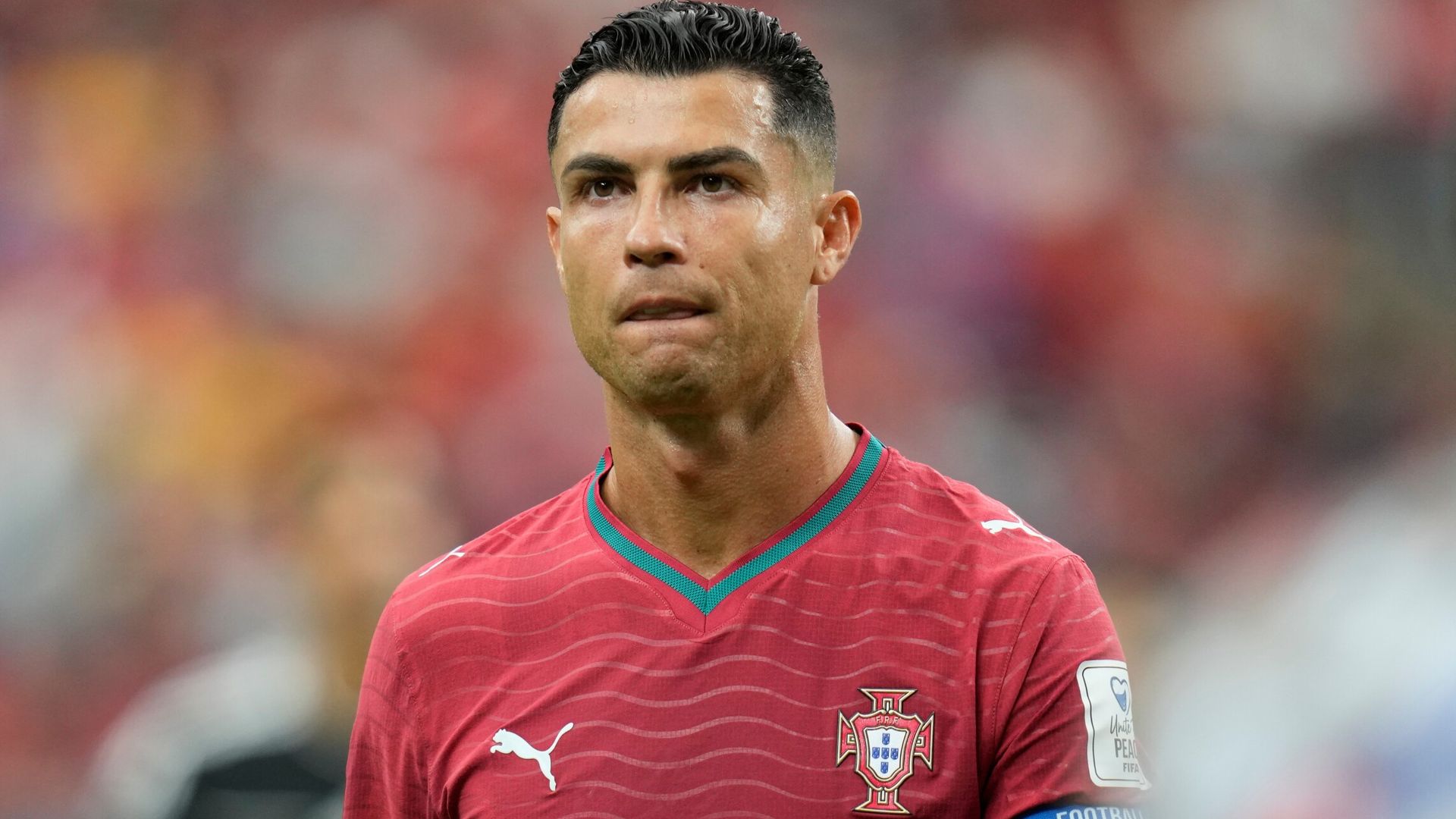
Image: courtesy of Sky sports
Portugal's Tournament Ambitions Questioned After Stuttering Draw With DR Congo
Portugal, a squad widely tipped as a strong contender in the ongoing major international football tournament, delivered a surprisingly muted performance today, drawing 1-1 against the Democratic Republic of Congo. The result, which saw Portugal struggle to convert possession into decisive chances, immediately casts a shadow over their group stage prospects. Captain Cristiano Ronaldo, despite moments of individual skill, was unable to provide the spark needed, leading to early scrutiny of the team's tactical approach and their reliance on veteran players.
Outlook
Background
Portugal arrived at this tournament with considerable fanfare, boasting a squad brimming with talent from Europe's elite clubs. Their recent history includes a triumph at the UEFA European Championship in 2016 and a UEFA Nations League title, setting a high benchmark for expectations. The team's depth across midfield and attack, combined with a solid defensive core, positioned them as a dark horse, if not an outright favorite, for the trophy. DR Congo, while a respected footballing nation with a history of strong performances in African competitions, was considered a significant underdog in this particular fixture. Their tactical discipline and defensive resilience, however, proved effective in neutralizing Portugal's offensive threats. The 1-1 draw is therefore a significant missed opportunity for Portugal to establish an early lead in their group, build goal difference, and cultivate momentum. For Cristiano Ronaldo, now 41, this tournament is widely speculated to be his final major international appearance. His transition from an undisputed, prolific goalscorer to a more nuanced, supporting role has been a constant narrative, and his ability to impact games decisively at this stage of his career remains a central point of discussion for the national team.
Precedents
Major international football tournaments are often characterized by early group stage upsets and unexpected draws, even for top-tier nations. History offers numerous examples where pre-tournament favorites have stumbled in their opening fixtures only to recover and go deep into the competition, or even win it outright. Spain's opening match defeat in the 2010 World Cup, followed by their eventual triumph, is a prime illustration. Similarly, Argentina endured a shocking loss in their first 2022 World Cup group stage match before mounting a successful recovery to lift the trophy. These instances highlight that a single disappointing result does not necessarily spell disaster, but it does demand immediate and decisive responses: tactical adjustments, strong leadership from both coaches and senior players, and a swift psychological rebound.
Conversely, an unconvincing start can also signal deeper issues that lead to a tournament exit. Germany's recent World Cup campaigns, marked by sluggish group stage performances and early eliminations, serve as a cautionary tale. The pressure on iconic players, particularly those in the twilight of their careers like Ronaldo, is immense. Their ability to consistently influence high-stakes matches, despite the physical tolls of age, is constantly under scrutiny. These early jitters can sometimes expose underlying team dynamics, a lack of tactical cohesion, or an over-reliance on individual brilliance rather than collective strength. The challenge for Portugal now is to leverage their experience and talent to navigate this initial setback, rather than allowing it to erode confidence and create a downward spiral.
This draw is far more consequential than a mere two dropped points; it represents a significant psychological blow and a blaring tactical alarm for the Portuguese national team. For a squad that harbors genuine aspirations of winning this tournament, failing to secure a victory against an opponent widely considered an underdog immediately complicates their path out of the group stage. It forces them into a high-stakes scenario where subsequent matches become effectively 'must-win' encounters, drastically reducing their margin for error.
The result also intensifies the long-running debate surrounding Cristiano Ronaldo's continued central role. While his iconic status is undeniable, this performance will fuel questions about whether his presence, at 41, now inadvertently limits the team's dynamic potential, particularly in terms of pressing and fluid attacking movements. Coach Roberto Martínez faces a critical decision point: double down on his current strategy, or make significant tactical and personnel changes, potentially altering Ronaldo's playing time or position.
For the Portuguese Football Federation, an early exit would be a financial and reputational setback. For the fans, who arrived with high hopes, this result shifts the national mood from optimism to apprehension. The market's perception of Portugal's tournament winning odds will have undoubtedly adjusted downwards, reflecting the increased execution risk and the immediate pressure to perform.
Scenarios
AnalysisThe draw against DR Congo has opened up several distinct pathways for Portugal's tournament journey, each with its own set of challenges and implications.
1. Portugal Recalibrates and Secures Qualification: The most optimistic scenario sees the team treating this draw as a vital wake-up call. Coach Martínez could implement swift tactical adjustments, potentially refining the team's attacking patterns or even making difficult personnel changes, including altering Ronaldo's role or bringing in fresh, dynamic players. This recalibration could lead to strong, convincing performances in their remaining group matches, allowing Portugal to secure qualification, likely as group winners or, at minimum, as runners-up. This outcome would demonstrate the team's resilience, deep talent pool, and ability to adapt under pressure, keeping their ultimate tournament aspirations alive.
2. Increased Pressure Leads to Further Stumbles and Early Exit: Conversely, the initial disappointment and scrutiny could create a spiral of doubt and performance anxiety within the squad. If subsequent matches see the team continue to struggle for cohesion, particularly if Ronaldo's impact remains muted and other key players fail to step up, Portugal could face further disappointing results. This scenario could lead to an unexpected and premature exit from the tournament in the group stage. Such an outcome would be a major upset, triggering widespread criticism of the coaching staff, player selections, and potentially necessitating a significant overhaul of the national team's structure and personnel.
3. A Narrow Escape and a Grueling Knockout Path: A third possibility is that Portugal manages to scrape through the group stage, perhaps as a second-place finisher or even as one of the best third-placed teams, depending on the tournament format. This would likely involve unconvincing performances in their remaining matches, securing just enough points to progress. While avoiding immediate elimination, this outcome would mean entering the knockout rounds with low morale, unresolved tactical issues, and facing significantly tougher opponents. Such a scenario would highlight fundamental underlying problems within the squad that the draw against DR Congo first exposed, making a deep run into the tournament highly improbable.
Timeline
Frequently Asked Questions
Discussion
Be the first to share your thoughts.