
As Manchester United prepares for consecutive home fixtures against Roma and Aston Villa ahead of the international break, the immediate pressure falls squarely on manager Michael Carrick. Club leadership faces crucial decisions regarding squad discipline, particularly after criticism directed at defenders like Lisandro Martinez following the Chelsea loss. While relegation remains an unlikely outcome for a club of this financial magnitude, the operational pressure inside Old Trafford centers on whether managerial changes will arrive before or after the upcoming international pause.
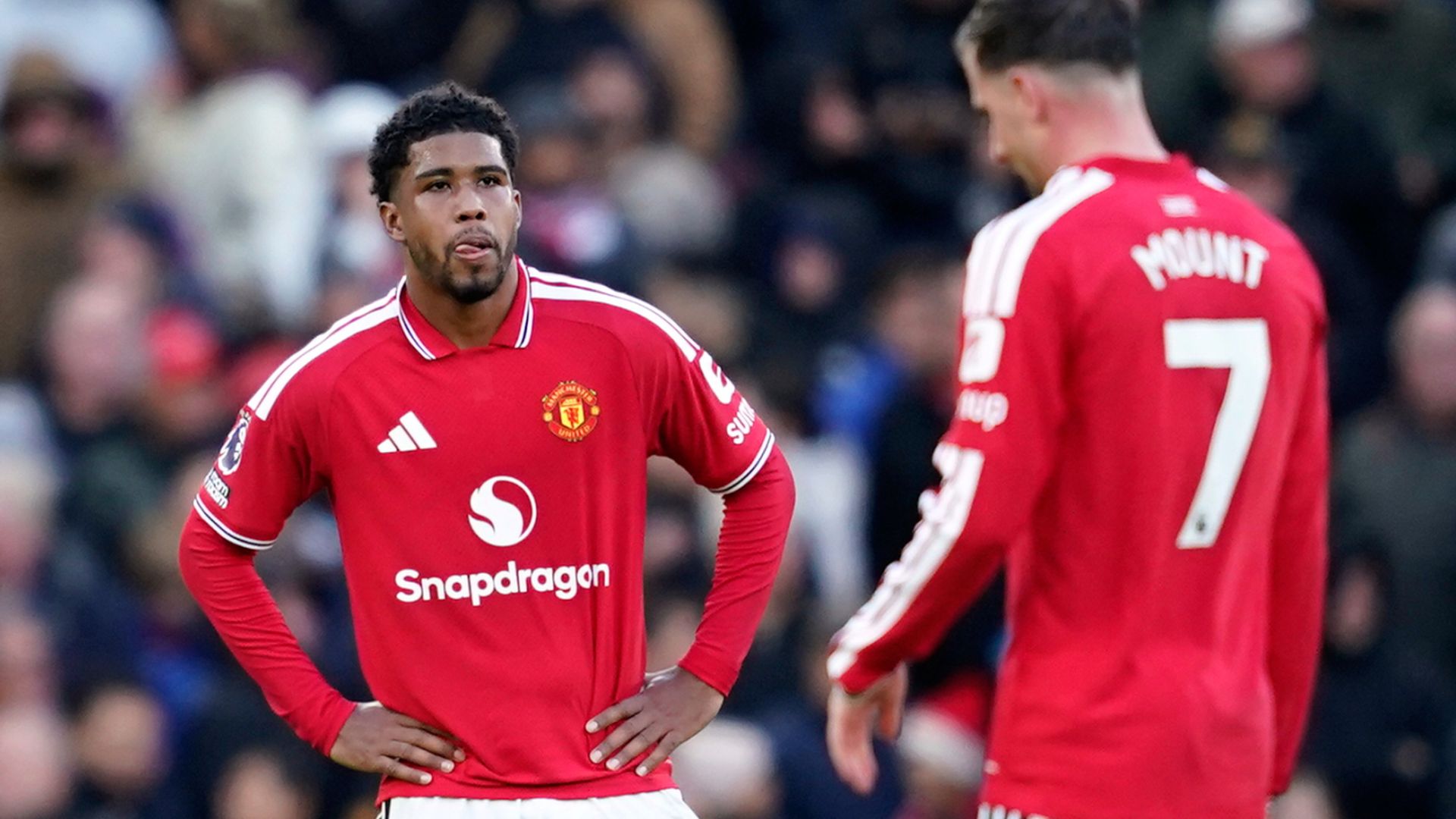
Image: courtesy of Sky sports
Inside Manchester United’s Historic Slump: Why Michael Carrick’s Side Is Facing Its Deepest Crisis in Decades
Manchester United’s 2-0 defeat at Chelsea cemented a nine-game winless streak, plunging the club into its worst form since 1984. Former captain Gary Neville has voiced deep concern over the psychological fragility and lack of discipline within Michael Carrick’s squad, arriving just as a brutal fixture list featuring Roma, Aston Villa, and Liverpool looms.
Outlook
Background
The 2-0 defeat at Stamford Bridge on November 1, 2026, extended Manchester United's winless run to nine matches across all competitions. This matches a dismal historical threshold not crossed since 1984, highlighting a chronic inability to maintain tactical discipline after conceding the first goal. Analysts and former players point to a profound institutional paralysis, where high-salaried squads repeatedly collapse under the weight of mounting pressure, exposing deep-seated recruitment and cultural flaws that have persisted through multiple managerial cycles.
Precedents
Slumps of this magnitude at Old Trafford rarely end quietly. Historically, when Manchester United drifts into extended winless stretches during the autumn months, the board faces intense shareholder and fan pressure that typically forces a mid-season managerial transition. Past precedents from the post-Sir Alex Ferguson era show that interim appointments or permanent managers who lose the dressing room's tactical cohesion rarely survive a prolonged winless run once the festive fixture congestion approaches.
The crisis at Manchester United extends far beyond league table positions; it directly impacts the club's valuation, commercial attractiveness, and ability to recruit elite talent. When a globally recognized institution fails to secure European qualification or slips into the bottom half of the table for extended periods, its capital allocation strategy—heavily reliant on Champions League revenues—faces severe strain. For supporters and investors alike, this slump signals that the structural reboot promised by new ownership has yet to fix the core operational rot on the pitch.
Scenarios
AnalysisAnalysis indicates several possible trajectories for the club over the coming weeks. First, Michael Carrick could be relieved of his duties following the home matches against Roma and Aston Villa, paving the way for a new permanent or interim manager during the international break. Second, an unexpected tactical turnaround in Europe and the Premier League could stabilize morale, though squad fatigue remains a significant risk. Finally, a failure to secure results in upcoming fixtures could plunge the club deeper into the lower half of the standings, intensifying scrutiny on executive leadership and recruitment strategy.
Timeline
November 1, 2026
Defeat at Stamford Bridge
Manchester United loses 2-0 to Chelsea, extending their winless streak to nine matches in all competitions.
Early November 2026
Immediate Fixture Pressure
The squad faces back-to-back home matches against Roma and Aston Villa ahead of the scheduled international break.
Mid-November 2026
International Break Evaluation
Club executives face a critical window during the nine-day pause to assess Michael Carrick's future and potential managerial replacements.
Frequently Asked Questions
While the club is experiencing its longest winless run since 1984, football analysts and former players like Gary Neville do not believe the team will actually face a relegation battle, given the overall points cushion and squad talent relative to the lower tiers of the Premier League.
Discussion
Be the first to share your thoughts.