
Veridact
TechSportsFinanceGaming🎯 PredictionsAbout
Sign InSign Up
Veridact

AI-powered anticipation analysis. We cover tech, sports, finance, and gaming events before they happen — with historical context, scenario modeling, and evolving coverage.

Stay ahead of the story

Analysis delivered before events unfold.

Coverage

  • Tech
  • Sports
  • Finance
  • Gaming

Company

  • About Us
  • Privacy Policy

© 2026 Veridact. AI-assisted analysis platform.

Analysis is AI-generated and not professional financial, legal, or medical advice.

Sports
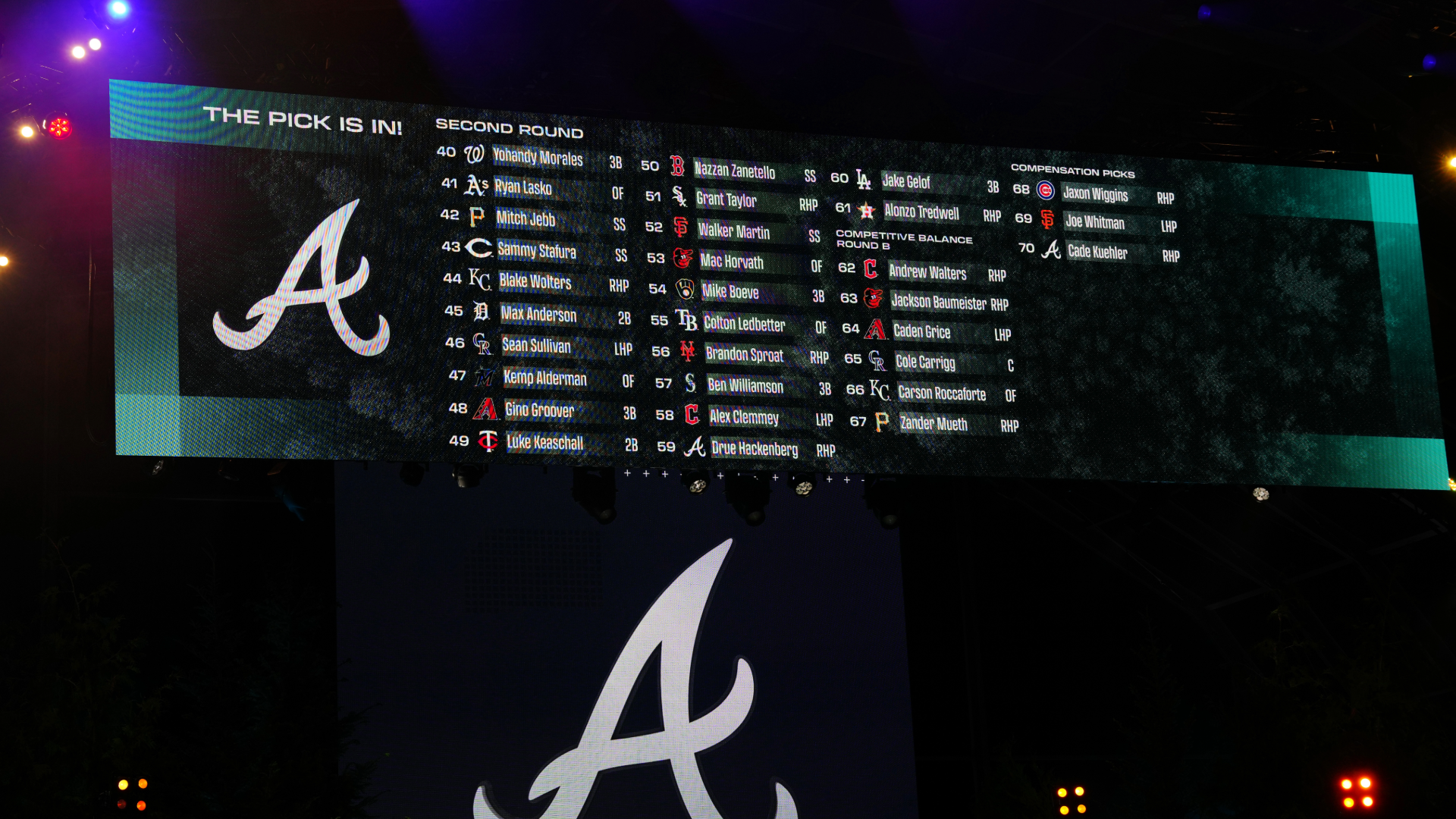
MLB proposes massive draft overhaul in CBA negotiations, including eliminating high school eligibility

Image: courtesy of Cbs Sports

sportsJune 19, 2026By Veridact EditorialUpdated Jun 19

MLB Proposes Radical Draft Overhaul, Sparking Union Conflict

Major League Baseball has put forward a sweeping proposal in its ongoing collective bargaining agreement talks with the MLB Players Association, suggesting fundamental changes to how the league acquires young talent. The core of the proposal includes eliminating high school players from draft eligibility and establishing a new international draft with a hard bonus cap. These changes, if enacted, would dramatically reshape player development pipelines and have immediate financial implications for aspiring professional baseball players.

What to Expect

Major League Baseball's latest proposal, presented on Thursday, June 18, 2026, aims to restructure player acquisition in two significant ways. First, it seeks to bar high school players from being eligible for the domestic draft, meaning players would need to complete at least some college or reach a certain age threshold before entering the professional ranks. This would mark a sharp departure from the current system, where many top prospects sign directly out of high school.

Second, the league is pushing for the creation of a new international draft. Currently, players born outside the United States, Canada, and Puerto Rico can negotiate directly with teams, often leading to large signing bonuses and intense competition among clubs. MLB's proposal for an international draft would introduce a structured system, similar to the domestic draft, complete with a reported $200 million bonus cap for all teams combined. While the proposal aims for parity between domestic and international draft structures, the $200 million cap represents a significant constraint compared to the current open market for international talent. The proposal also included a salary cap and floor as part of the broader CBA discussions, though specific details on those elements were not immediately available. The domestic draft itself would also be shortened to 12 rounds, down from the current 20.

Key Context

The current system allows high school players to declare for the MLB draft, offering them a direct path to professional baseball without attending college. For international players, a more open market exists, where teams can sign players from countries like the Dominican Republic or Venezuela, often investing heavily in their development from a young age. The top pick in the current domestic draft system is valued at over $11 million, a figure that can be negotiated with the player. This stands in contrast to the proposed $200 million bonus cap for the entire international draft, which some analysts interpret as a move to bring overall spending down. Teams have not spent less than $200 million in total on player acquisitions since 2010, indicating the scale of this proposed shift in spending limits.

These discussions are part of the ongoing negotiations for the next collective bargaining agreement, the foundational contract between the league and its players' union. The current CBA is set to expire in December 2026. Historically, negotiations between MLB and the MLBPA have been contentious, particularly when issues of player compensation, service time, and draft mechanics are on the table. The league has previously attempted to implement an international draft, but these efforts have consistently met with strong resistance from the Players Association.

Historical Patterns

The idea of an international draft is not new to MLB-MLBPA negotiations. It has been a recurring point of contention in past CBA talks, with the league arguing for more cost control and a standardized system, and the union resisting what it views as a mechanism to suppress player earnings. In previous proposals, the international draft came with bonus pools significantly smaller than those for the domestic draft, which fueled player skepticism. While the current proposal aims for structural equivalence, the $200 million cap for the international draft is a clear point of friction.

The elimination of high school eligibility, however, represents a more novel and potentially more contentious proposal. The domestic draft has long been a pathway for exceptional young talent to bypass college, and removing this option would fundamentally alter the career decisions for thousands of aspiring players. Past CBA negotiations have often involved significant compromises, with both sides giving ground on certain issues to secure a deal. The breadth and impact of these latest proposals suggest that the path to a new agreement will likely involve intense bargaining over these core player acquisition mechanisms.

These proposals strike at the heart of baseball's talent pipeline, affecting every aspiring player, scout, and team executive. For high school players, the elimination of draft eligibility would force a new calculus: either pursue college baseball or wait longer for their professional opportunity. This could shift power dynamics, potentially pushing more talent into the college system, but also delaying earning potential for some of the sport's brightest young stars. For international players, an international draft could standardize the signing process, but a hard bonus cap may limit the financial upside for players who currently command significant sums through direct negotiations.

From the league's perspective, these changes are likely aimed at achieving greater cost control, reducing competitive imbalances in the international market, and potentially streamlining the talent acquisition process. However, the MLBPA's immediate criticism — labeling the changes as 'detrimental to the sport' — highlights the deep concern among players that these moves will ultimately depress wages and restrict opportunities for young athletes. The outcome of these negotiations will not just dictate the mechanics of player acquisition; it will shape the economic realities and career paths for an entire generation of baseball players, influencing player development strategies for years to come.

Potential Outcomes

Analysis

The current proposals represent opening positions in a negotiation that still has months to run before the December 2026 CBA expiration. One possible outcome is that MLB and the MLBPA reach a compromise that incorporates elements of both sides' priorities. This could mean a modified international draft with a more flexible bonus structure or higher cap than initially proposed, aimed at addressing union concerns about player compensation. The elimination of high school eligibility is a more radical concept, and it may face such strong opposition that MLB withdraws or significantly alters it in exchange for concessions elsewhere.

Another scenario could see the negotiations drag on, potentially leading to a lockout or strike if an agreement isn't reached by the deadline. The MLBPA has historically been firm in protecting player rights and compensation, especially for younger players. A complete rejection of these proposals by the union, coupled with a renewed push for player-friendly changes, is also a distinct possibility. The final agreement will likely reflect a delicate balance of power, with both sides weighing the costs and benefits of a protracted dispute against the potential gains of a new contract.

Timeline

2026-06-18
MLB Proposes Draft Overhaul
Major League Baseball presents its proposals for a new collective bargaining agreement, including eliminating high school draft eligibility and introducing an international draft.
2026-12-31
Current CBA Expires
The existing Collective Bargaining Agreement between MLB and the MLB Players Association is set to expire, requiring a new agreement to be in place.

Frequently Asked Questions

MLB has proposed eliminating high school players from being eligible for the domestic draft. This would mean players would likely need to attend college or wait to reach a certain age before they can be drafted by an MLB team.

Discussion

0/100
0/1000

Be the first to share your thoughts.

Related Coverage

sports

Knicks' Championship Parade Marred By Chaos, Player's Near-Arrest

Jun 19
sports

Giannis Antetokounmpo Trade Timeline Accelerates: Bucks Eye Pre-Draft Deal Amid Heat, Celtics Scramble

Jun 19
sports

Spurs Face Roster Dilemma As NBA Legend Urges Benching Veteran for Rising Star

Jun 18
sports

England Ignites World Cup Campaign with Dramatic Opening Victory Over Croatia

Jun 18

Stay ahead of the story

AI analysis delivered before events unfold. No spam.

ⓘ

Disclosure: This article contains AI-assisted analysis based on publicly available information.