
The immediate consequence for Chelsea is a significant financial penalty, with the £10 million fine directed towards grassroots football. More critically, the club now operates with a suspended two-window transfer ban. This means any further breaches of FA agent rules before June 30, 2027, would automatically trigger a prohibition on signing new players for two transfer periods. This condition will likely lead to heightened caution and increased internal compliance measures around agent dealings, contract negotiations, and third-party investments in players. The club's transfer strategy will need to factor in this heightened risk, potentially favoring more direct negotiations or more thoroughly vetted agent relationships.
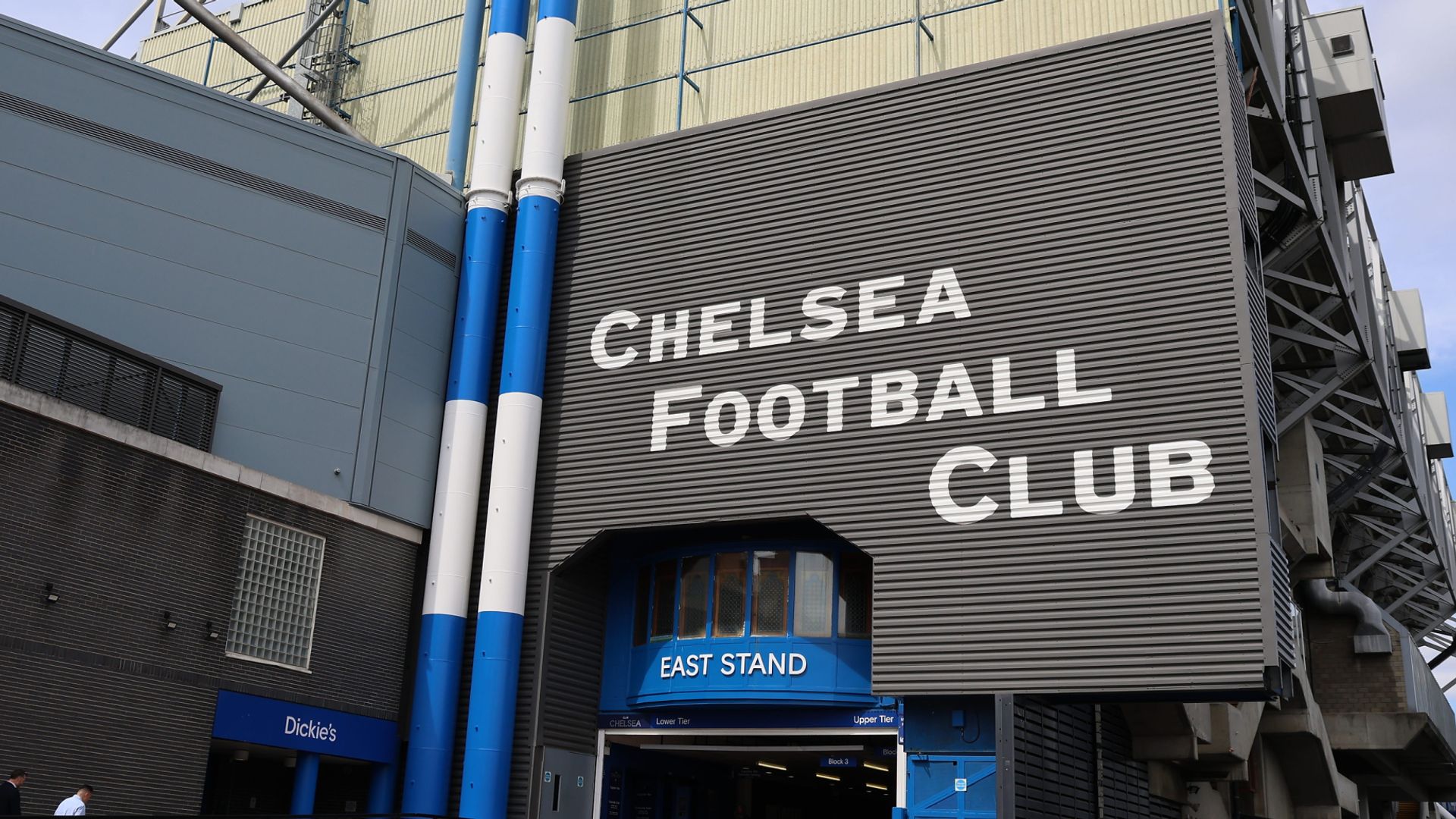
Image: courtesy of Sky sports
Chelsea Avoids Immediate Points Deduction, But a Suspended Transfer Ban Looms Over Future Deals
Chelsea Football Club has been hit with a £10 million fine and a suspended two-window transfer ban by the Football Association (FA) for 74 breaches of agent regulations. The club, under its new ownership, self-reported these historical issues, which helped them avoid an immediate six-point deduction that was initially considered. While the immediate on-pitch impact is minimal, the suspended ban, active until June 30, 2027, places Chelsea under intense scrutiny for all future transfer activity, building on previous fines from the Premier League and UEFA for similar historical financial irregularities.
Outlook
Background
Chelsea's latest sanctions from the FA stem from a self-report made by the club in 2022, detailing 74 breaches of regulations concerning agents, intermediaries, and third-party player investment. These issues largely predate the current ownership, which took control after the 2018 period implicated in some of the prior investigations. The FA's decision to replace an initial suspended six-point deduction with a suspended transfer ban after an appeal is a notable development. This outcome means Chelsea avoids any direct impact on its Premier League standing, a significant relief for a club that has invested heavily in its squad.
This FA ruling is the latest in a series of penalties for Chelsea related to historical financial practices. In March, the Premier League fined the club £10.75 million and imposed a suspended academy transfer ban for similar breaches, including secret payments to players and unlicensed agents between 2011 and 2018. Furthermore, in 2023, UEFA fined Chelsea £8.6 million for submitting incomplete financial information between 2012 and 2019. The club has confirmed that the FA process now brings all regulatory proceedings related to these self-reported matters to a close.
Precedents
The pattern of major European clubs facing sanctions for financial and agent-related irregularities is well-established. Barcelona and Real Madrid, for instance, have previously faced FIFA transfer bans for breaches related to the signing of underage players. Manchester City has been subject to extensive investigations by the Premier League over alleged financial fair play breaches, leading to prolonged legal battles.
What sets Chelsea's situation apart, in part, is the scale of the self-reporting – 74 breaches – and the fact that the club has been fined by three different governing bodies (FA, Premier League, UEFA) for overlapping historical issues. This suggests a systemic problem under previous ownership rather than isolated incidents. The decision by regulators to accept settlements and suspended bans, rather than immediate points deductions or outright transfer bans, often reflects the cooperation of the club, particularly when self-reporting, and a desire to avoid overly destabilizing sporting penalties while still imposing significant financial deterrents. The push for greater transparency and stricter adherence to financial fair play (FFP) and agent regulations across European football has intensified in recent years, making such investigations and penalties more common. Clubs are increasingly held accountable not just for their current actions but for rectifying historical non-compliance.
For Chelsea, avoiding a points deduction is a major win on the pitch, preventing an immediate blow to their league position and European qualification hopes. However, the cumulative financial penalties – totaling over £29 million across the FA, Premier League, and UEFA – represent a substantial cost that will impact their financial fair play calculations.
The suspended transfer ban is perhaps the most significant long-term consequence. It places a direct constraint on the club's operational freedom in the transfer market for the next year. Chelsea has been one of the most active clubs in recent transfer windows, spending heavily to rebuild its squad. The threat of a two-window ban means that any future misstep in agent dealings or player acquisitions could halt their ability to sign players entirely. This will force a stricter approach to compliance within the club's recruitment department and legal teams.
For the broader football industry, these repeated sanctions against a high-profile club like Chelsea reinforce the message that governing bodies are serious about enforcing financial and agent regulations. It highlights the complexities of international transfers and the persistent challenges clubs face in ensuring full compliance across all jurisdictions and regulatory frameworks. The focus on historical breaches also serves as a warning to clubs that past conduct, even under different ownership, can still lead to significant penalties.
Scenarios
AnalysisOne immediate outcome is that Chelsea will likely intensify its internal compliance efforts, particularly around agent relationships and transfer negotiations. The club's new ownership has publicly stated its commitment to transparency and rectifying past issues, and the suspended ban provides a strong incentive to demonstrate this commitment through actions. This could lead to more direct dealings with player representatives, a reduction in reliance on intermediaries with complex ownership structures, and more rigorous vetting processes for all transfer-related payments.
Another possible outcome is a shift in transfer strategy. With the threat of a ban, Chelsea might prioritize securing targets earlier in transfer windows or focus more on developing academy talent if the market becomes too risky. Should the club face any new allegations or breaches before June 30, 2027, the suspended ban would be triggered, leading to a significant disruption to their squad planning and competitive aspirations. This would force them to rely on their existing squad and potentially recall players on loan, a scenario that would severely test their depth and long-term strategy.
Timeline
2011-2018
Period of Breaches
Chelsea engages in agent and financial irregularities, including secret payments to players and unlicensed agents, which would later be investigated by the Premier League and FA.
2012-2019
Incomplete Financial Reporting
Chelsea submits incomplete financial information to UEFA, leading to later sanctions.
2022-03-02
New Ownership Takes Over
The Todd Boehly/Clearlake Capital consortium completes its acquisition of Chelsea Football Club.
2022
Chelsea Self-Reports Issues
The new ownership self-reports historical financial and agent rule breaches to regulatory bodies, including the FA, Premier League, and UEFA.
2023
UEFA Settlement
Chelsea reaches an £8.6 million settlement with UEFA for submitting incomplete financial information between 2012 and 2019.
2026-03-01
Premier League Sanctions
Chelsea is fined £10.75 million and handed a suspended academy transfer ban by the Premier League for historical breaches (2011-2018).
2026-08-01
FA Sanctions Announced
The FA fines Chelsea £10 million and imposes a suspended two-window transfer ban for 74 agent rule breaches. The club avoids a points deduction after an appeal.
2027-06-30
Suspended Ban Expiration
The FA's suspended two-window transfer ban on Chelsea is set to expire, provided no further breaches occur.
Frequently Asked Questions
Chelsea admitted to 74 breaches of FA regulations related to working with agents, intermediaries, and third-party investment in players. These are largely historical issues that occurred under the club's previous ownership.
Discussion
Be the first to share your thoughts.