
An analytical look at the mechanics of managerial accountability at Old Trafford, the reality of a summer midfield rebuild that has failed to gel, and how squad injuries compound the pressure ahead of a high-stakes Premier League fixture against Newcastle United.
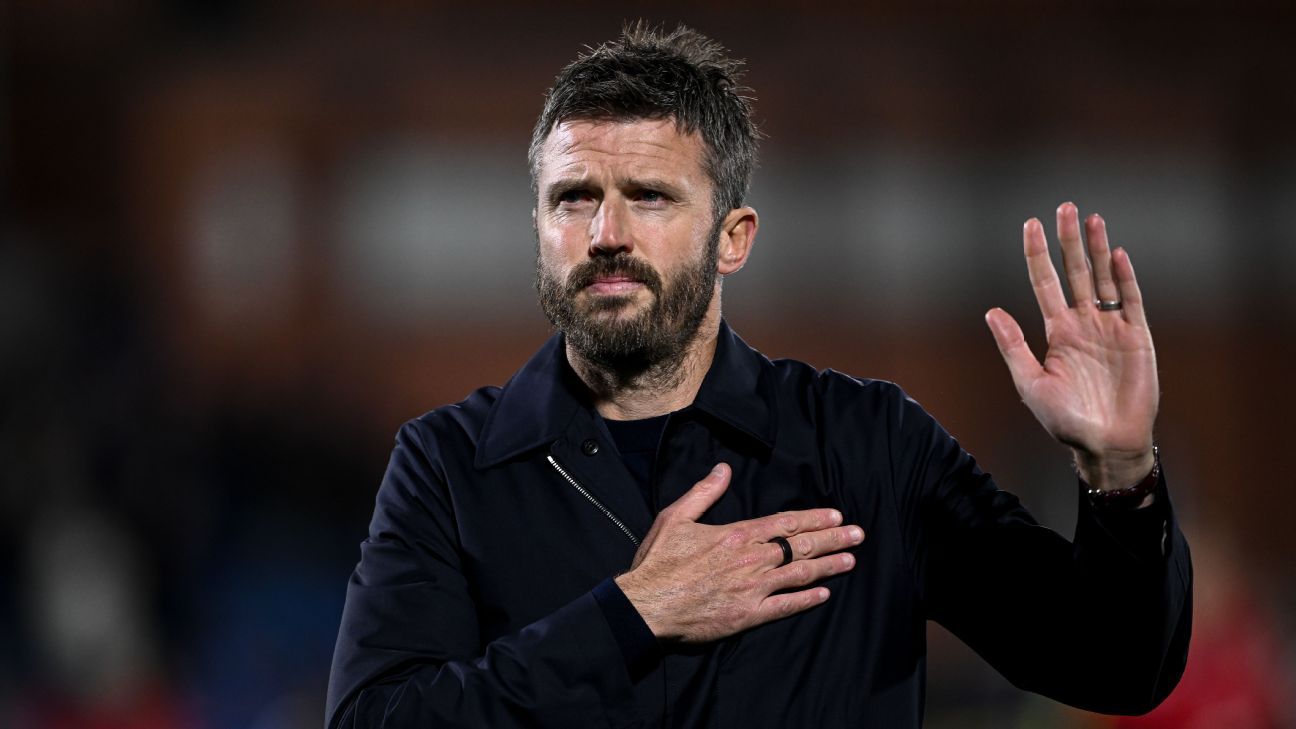
Image: courtesy of ESPN
Why Manchester United's Players Escape Blame While Michael Carrick Bears the Cost
Following a disastrous 4-1 defeat in Como, interim manager Michael Carrick finds his position under intense pressure. While senior players label the display a non-performance, the structural economics of modern football dictate that dressing room failures invariably cost the manager his job first.
Outlook
Background
Manchester United's heavy 4-1 defeat at the Stadio Giuseppe Sinigaglia exposed deep tactical and structural flaws. Interim manager Michael Carrick attempted to fix the bleeding at halftime by substituting Cunha and Andrey Santos for Carlos Baleba and Amad Diallo, but the tactical intervention failed instantly. Just three minutes into the second half, Como exploited open space for Anastasios Douvikas to score. Publicly, players like Youri Tielemans called out the unacceptable standard of play, but the institutional burden of failure has settled entirely on the coaching staff. Adding to the sporting crisis, Carrick confirmed that key defenders and midfielders, including Lisandro Martinez and Mason Mount, remain sidelined due to injuries. Mount has been out since the Fulham fixture, while Martinez is battling a minor calf problem.
Precedents
History shows that elite football clubs routinely absorb multi-million-pound asset depreciation in playing staff by sacrificing the interim or permanent coach. When a squad underperforms collectively despite heavy summer spending on midfield recruitment, clubs like Manchester United historically rely on managerial changes as a release valve for fan frustration and board anxiety, rather than admitting immediate defeat on long-term player contracts.
The immediate fate of Michael Carrick highlights the asymmetric accountability that defines elite European football. While players retain market value and long-term security through guaranteed contracts, the coaching staff operates under an unforgiving weekly referendum. For Manchester United, this recurring cycle of managerial turnover stalls long-term tactical identity, forcing incoming leaders to inherit unbalanced squads built by their predecessors.
Scenarios
Analysis1. Manchester United may double down on Carrick through the winter fixture congestion, giving the summer midfield acquisitions time to adapt under extreme pressure.
2. Boardroom pressure could mount rapidly following upcoming domestic results, leading to a swift managerial change as external candidates circle.
3. The squad could respond with a gritty performance against Newcastle at St James' Park, temporarily stabilizing the interim staff.
Timeline
October 2026
The Como Collapse
Manchester United suffers a damaging 4-1 defeat away to Como, exposing severe tactical frailties and prompting fierce internal and external criticism.
October 22, 2026
Injury Confirmation Ahead of St James' Park
Michael Carrick confirms that Lisandro Martinez and Mason Mount will miss the crucial Premier League clash against Newcastle United due to ongoing injuries.
Frequently Asked Questions
While the club invested heavily in summer recruitment, results and performances on the pitch have fallen well below expectations. In professional football, matchday failures are judged through the immediate performance of the coaching staff rather than individual player form.
Discussion
Be the first to share your thoughts.