
The immediate expectation is continued, intense contract negotiations between Jason Robertson and the Dallas Stars. With Robertson's rejection of a substantial offer from Seattle, it becomes clear his priorities extend beyond simply the highest dollar figure, or at least, that his valuation of his own worth to the Stars exceeds what the Kraken offered, or what the Stars have put on the table so far. The Stars are publicly committed to signing him, having issued a qualifying offer to retain his restricted free agent rights. However, the path to a deal could be prolonged, potentially stretching into or even past the start of training camp, similar to his last contract negotiation.
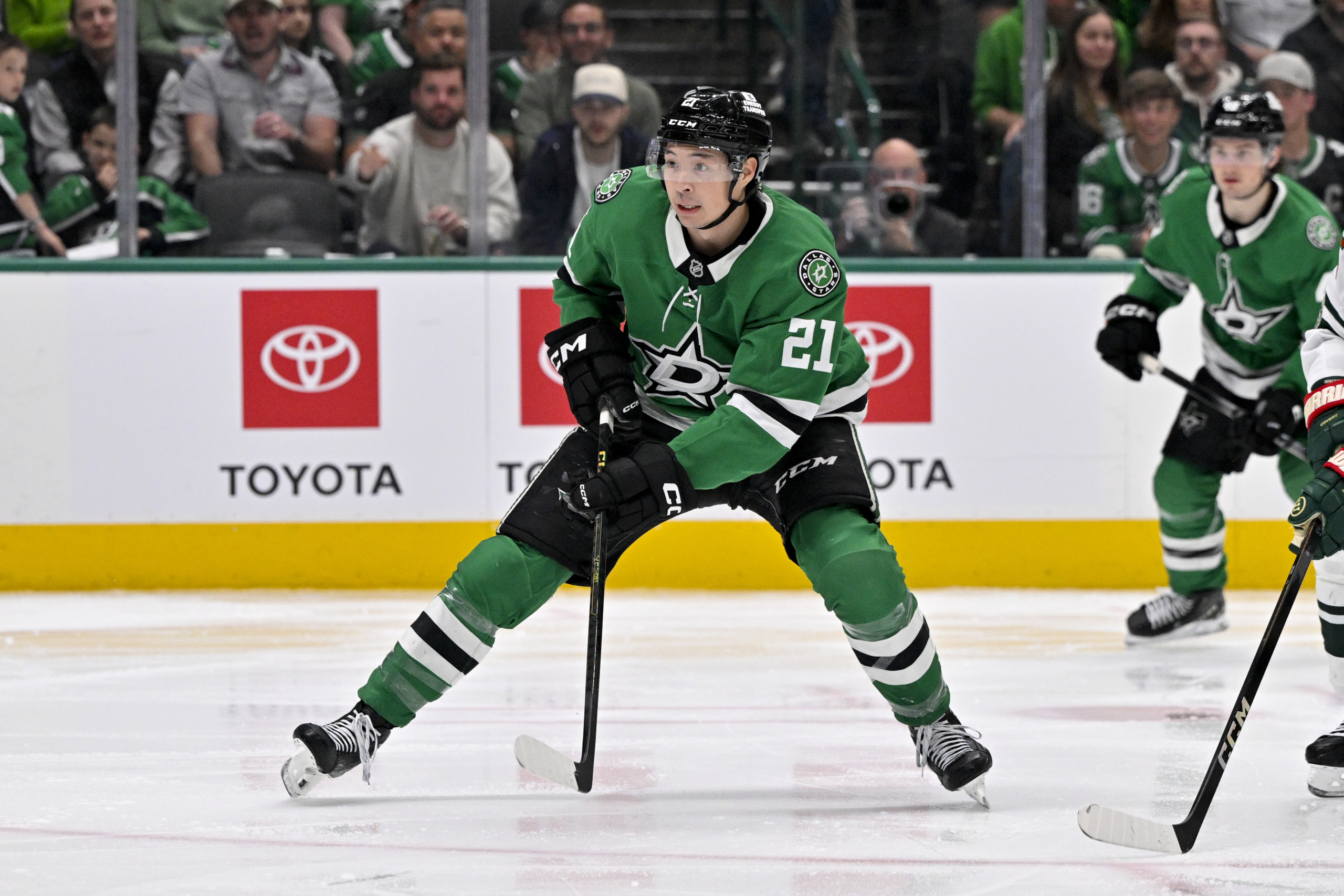
Image: courtesy of Sportsnaut
Jason Robertson's $120 Million Rejection: What It Signals for the Dallas Stars and Player Agency in the NHL
Dallas Stars forward Jason Robertson has turned down an eight-year, $120 million contract offer from the Seattle Kraken, a deal that would have been part of a trade between the two teams. This rejection, confirmed by Stars General Manager Jim Nill on July 4, 2026, leaves Robertson's future in Dallas uncertain as he remains unsigned as a restricted free agent. The Stars had agreed to send Robertson to Seattle in exchange for a package that included the Kraken's No. 7 overall pick in the 202026 NHL Draft.
Outlook
Background
The standoff between Jason Robertson and the Dallas Stars has become one of the NHL's most compelling contract sagas of the 2026 offseason. As of July 4, 2026, Robertson, a prominent forward for the Stars, officially remains an unsigned restricted free agent (RFA). This status means the Stars retain his negotiation rights, but he is free to negotiate with other teams, though any offer sheet he signs can be matched by Dallas or compensated with draft picks if they choose not to match.
The situation escalated significantly when it was confirmed that Robertson rejected a massive contract proposal from the Seattle Kraken. The Kraken's offer was for an eight-year term, valued at $15 million annually, totaling $120 million. This was not a direct free-agency offer; it was part of a trade agreement between the Stars and the Kraken. Dallas General Manager Jim Nill confirmed that the Stars had agreed to send Robertson to Seattle in exchange for a package that included the Kraken's No. 7 overall pick in the 2026 NHL Draft. The Stars reportedly had plans to then flip that pick to the Toronto Maple Leafs for a 23-year-old left wing, signaling a clear strategic move to reshape their roster.
Robertson's decision to decline such a lucrative, long-term deal is striking. It suggests a strong preference to remain in Dallas, or at least a belief that he can secure a more favorable deal with the Stars, either in terms of overall compensation, contract structure, or a combination of factors. Reports indicate a significant gap in current negotiations with the Stars, with estimates placing the difference at roughly $2 million per season. The Stars are reportedly aiming for a deal around the $12 million per year mark, comparable to Mikko Rantanen's contract with the Colorado Avalanche, which is currently one of the league's top contracts.
Robertson's track record with the Stars is undeniable. Since his NHL debut in February 2020, he has accumulated 490 points, scoring 213 goals and adding 277 assists in 456 regular-season games. His last restricted free agency period, prior to the 2023-2024 season, also saw a contract holdout where he missed most of training camp. Following that eventual signing, he delivered a career-best 109-point season, with 46 goals and 63 assists. This history demonstrates both his on-ice value and his willingness to negotiate hard for his terms. The current situation places the Stars in a difficult position, balancing their desire to retain a homegrown star with the need to manage their salary cap and roster construction for sustained competitiveness. The ripple effects of this negotiation extend beyond just Robertson, influencing potential trades and free-agent signings for Dallas.
Precedents
Contract holdouts, especially for restricted free agents, are not new to the NHL, and Jason Robertson himself has a recent history with one. His previous RFA negotiation before the 2023-2024 season saw him miss the majority of training camp before ultimately signing a four-year, $31 million deal, carrying an average annual value of $7.75 million. This past experience provides a clear precedent: Robertson is willing to use his RFA status and leverage his on-ice value to secure the contract he believes he deserves. That previous holdout ultimately ended with a deal that set the stage for his career-best 109-point season, validating his conviction.
Historically, when star RFAs reject substantial offers from other teams, it often points to a strong desire to stay with their current club, or a belief that their current club will eventually meet their demands. The rejection of an offer sheet, or in this case, a trade-and-sign scenario, can also signal that the player is prioritizing factors beyond just the raw dollar figure — such as team fit, market, or long-term organizational stability. Players like William Nylander of the Toronto Maple Leafs, who went through a lengthy holdout before signing, or Matthew Tkachuk, who was eventually traded from Calgary after rejecting a long-term deal, illustrate the spectrum of outcomes in these high-stakes negotiations.
For the Dallas Stars, the challenge is amplified by their previous experience with Robertson. They know his resolve. It also means they are operating under the pressure of not wanting to repeat a scenario where their star player misses significant preparation time. The longer these negotiations drag on, the more it impacts team chemistry, coaching staff planning, and the overall financial flexibility for other roster moves. The historical pattern suggests that while a deal is likely, it will come at a significant cost, and potentially after a period of considerable friction.
This contract dispute carries far more weight than a typical negotiation. For the Dallas Stars, retaining Jason Robertson is critical to their immediate and long-term competitiveness. He is a core offensive engine, a consistent 40-goal threat, and a key piece of their future. Losing him, especially after agreeing to a trade that would have brought in a high draft pick, would represent a significant setback. It would force the team to scramble to replace elite production, impacting their salary cap and asset management for years.
Beyond Dallas, Robertson's rejection of a $120 million deal could reshape how restricted free agents and their agents approach negotiations across the league. It sends a clear message about player agency and the perceived value of top-tier talent. If a player is willing to walk away from such a substantial sum, it could empower other RFAs to push harder for their demands, potentially driving up contract values for young stars. This could force general managers to be more aggressive in locking up their talent early or risk more protracted and expensive negotiations.
For the NHL's market structure, this situation highlights the ongoing tension between team control (through RFA rights) and player power. The fact that a team could agree to a trade, only for the player to reject the associated contract, underscores the limitations of team control when a player holds significant leverage. It could lead to more cautious trade discussions involving RFAs, as teams may be less willing to invest assets in a player who might ultimately refuse to sign.
Finally, the resolution of this situation will directly impact the Stars' capital allocation. The money committed to Robertson will dictate what other moves General Manager Jim Nill can make, from signing other free agents to pursuing trade targets. A prolonged negotiation, or an eventual trade, could fundamentally alter the team's identity and competitive window.
Scenarios
AnalysisThe situation surrounding Jason Robertson's contract and his future with the Dallas Stars has several distinct potential outcomes:
1. Robertson Signs a Long-Term Deal with the Dallas Stars: This is the most frequently cited and, arguably, the most desired outcome for the Stars organization and its fan base. The Stars have publicly stated their desire to keep Robertson and made a qualifying offer to secure his RFA rights. Despite the reported $2 million per season gap in negotiations, a compromise is still possible. Robertson's rejection of the Kraken trade suggests a strong preference to remain in Dallas, implying he believes the Stars will eventually meet his demands, or at least come close enough. A long-term deal would likely be in the range of $12-14 million annually, solidifying his role as a foundational piece for the franchise for the next eight years. This outcome would provide stability for both the player and the team, allowing Dallas to plan its roster and salary cap with certainty.
2. Robertson Signs a Shorter-Term 'Bridge' Deal with the Stars: In the event that a long-term agreement cannot be reached due to a persistent valuation gap, a shorter-term contract, perhaps for two or three years, could serve as a temporary solution. This 'bridge deal' would allow both parties to defer the major financial commitment. For Robertson, it would mean proving his elite production for a few more seasons, potentially increasing his market value further when he becomes an unrestricted free agent (UFA) or an RFA again with even more leverage. For the Stars, it would keep a star player on the roster while kicking the can down the road on a massive long-term commitment, hoping that future cap increases or a slightly different market environment might make a long-term deal more palatable. However, this option carries significant execution risk for the Stars, as Robertson would be closer to UFA status, potentially increasing the likelihood of him leaving for another team in the future.
3. The Dallas Stars Trade Robertson to Another Team (Not Seattle): While Robertson rejected the Kraken's specific trade-and-sign offer, it does not preclude the Stars from exploring other trade options. If negotiations with Robertson reach an impasse and the Stars decide they cannot meet his demands, or if the relationship becomes too strained, General Manager Jim Nill could seek a trade partner willing to meet Robertson's contract expectations and offer a substantial return in terms of prospects and draft picks. This would be a last resort, as the Stars have heavily invested in Robertson as a homegrown talent. Any trade would need to be carefully structured to ensure the receiving team could sign Robertson, likely requiring similar pre-trade negotiation permissions. Such a move would reshape the Stars' roster dramatically and signal a shift in their long-term strategy.
4. Robertson Holds Out into the Regular Season: Given his history of a training camp holdout, this remains a plausible, albeit less desirable, outcome for all parties. If a deal is not struck before the start of the 2026-2027 season, Robertson could refuse to report to training camp or even the start of the regular season. This would put immense pressure on the Stars, as they would be without their top offensive threat, impacting team performance and fan morale. For Robertson, a holdout means lost salary and potential reputational damage, though his previous holdout did not hinder his subsequent performance. This scenario is typically resolved before it drags on too long, as both player and team have strong incentives to find a resolution.
Timeline
February 2020
NHL Debut
Jason Robertson makes his debut in the National Hockey League with the Dallas Stars, beginning his professional career.
Prior to 2023-2024 Season
First RFA Holdout
Robertson, then a restricted free agent, misses most of the Dallas Stars' training camp in a contract holdout, eventually signing a four-year, $31 million deal.
2023-2024 Season
Career-Best Performance
Following his contract signing, Robertson records a career-high 109 points (46 goals, 63 assists), solidifying his status as an elite offensive player.
July 1, 2026
Restricted Free Agency Begins
Jason Robertson officially becomes a restricted free agent (RFA), with the Dallas Stars retaining his rights after issuing a qualifying offer.
Last Weekend (2026 NHL Draft)
Kraken Trade Offer Emerges
The Dallas Stars agree to a trade sending Robertson to the Seattle Kraken in exchange for a package including Seattle's No. 7 overall pick in the 2026 NHL Draft.
July 4, 2026
Robertson Rejects Kraken Offer
Dallas Stars GM Jim Nill confirms that Jason Robertson rejected an eight-year, $120 million contract offer from the Seattle Kraken, effectively nullifying the agreed-upon trade. Robertson remains an unsigned Dallas Star.
Frequently Asked Questions
A restricted free agent (RFA) is a player whose contract has expired, but whose current team still holds exclusive negotiation rights if they make a 'qualifying offer.' If another team makes an offer sheet, the current team can either match it to keep the player or receive draft pick compensation if they choose not to match.
Discussion
Be the first to share your thoughts.