
Expect a period of profound instability as the dressing room adapts to a new tactical language after nearly a decade of Guardiola’s rigid, obsessive control. The club’s recruitment strategy, previously built around the manager's specific vision, will likely undergo a necessary audit. Players who were hand-picked for their ability to execute Pep’s high-precision system may find themselves needing to prove their value to a successor. The culture of perfectionism that defined the Etihad is about to face its first real stress test.
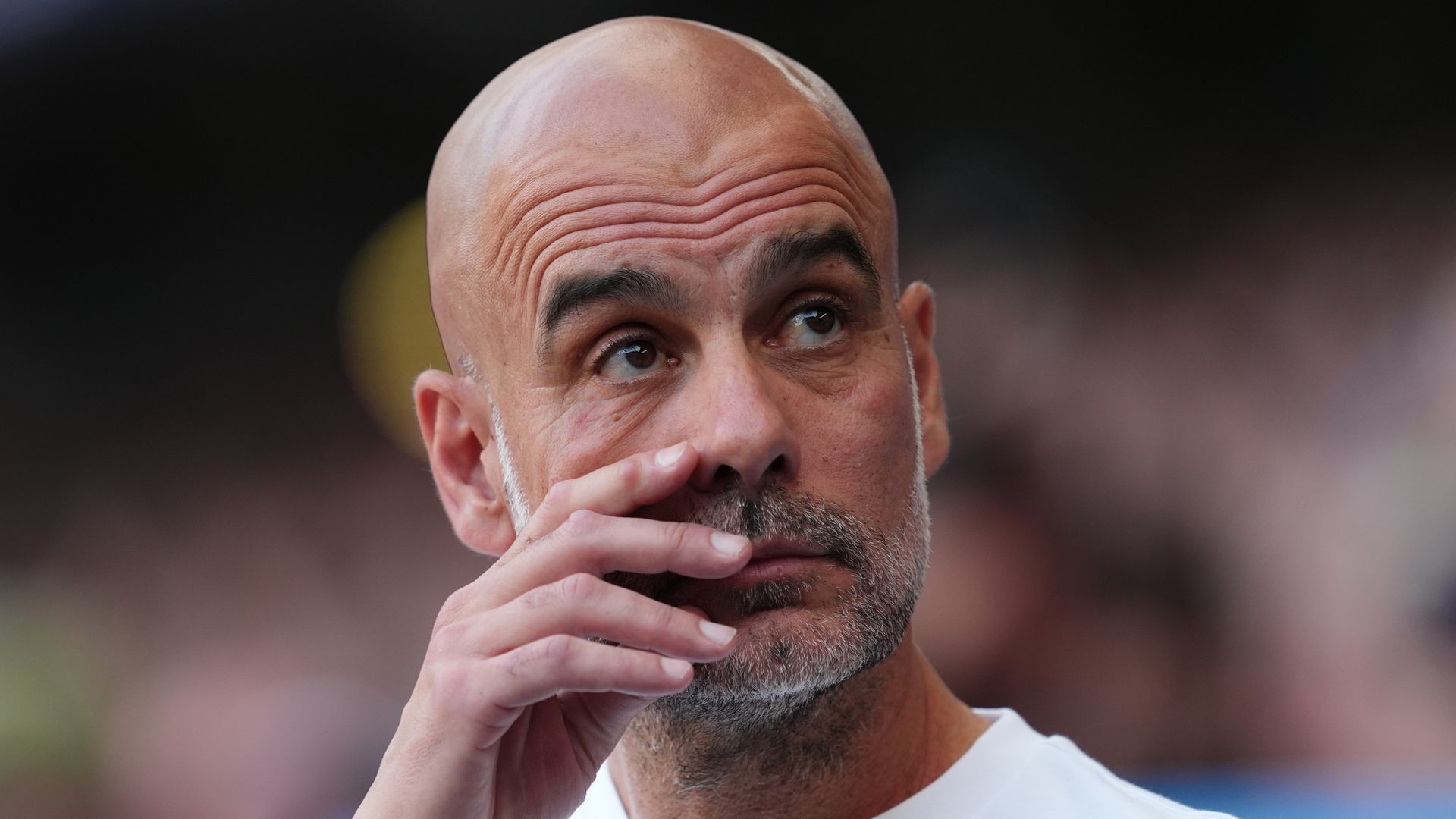
Image: courtesy of Sky sports
The Long Shadow: Life at Manchester City After Pep Guardiola
Manchester City finds itself at a historic crossroads as the departure of Pep Guardiola signals the end of the most dominant and transformative era in modern English football. The club must now reconcile the loss of its tactical architect with the reality of an uncertain future.
Outlook
Background
Guardiola did more than win titles; he turned Manchester City into a relentless, high-precision machine that effectively dismantled the traditional unpredictability of the Premier League. His tenure was defined by a specific, suffocating brand of possession football that forced the entire domestic game to modernize its scouting and tactical training just to remain relevant. The emotional scenes inside the Etihad reflected the realization that an era of unparalleled success is officially closed. The club is no longer just losing a coach; it is losing the singular figure who dictated its entire identity.
Precedents
This transition mirrors Sir Alex Ferguson’s 2013 departure from Manchester United, though City enters this phase with a more robust institutional structure. Unlike the slow, necessary decline seen during Arsène Wenger’s final years at Arsenal, Guardiola is exiting at the absolute peak of his influence. History suggests that clubs moving from a generational, manager-centric model often endure a significant performance dip. The challenge for City’s hierarchy is to avoid the 'myth of the successor' that has plagued so many top-tier clubs in the past.
The departure marks the end of the 'Super Manager' era in English football, signaling a fundamental power shift for the Premier League. Guardiola’s influence was the primary catalyst for the current level of tactical sophistication across the board, and his absence creates a vacuum that will change how the league competes. For City, the stakes are existential as they attempt to prove they are a club built on sustainable systems rather than just the genius of one man. The coming months will determine if the organization can survive the loss of its heartbeat.
Scenarios
AnalysisAnalysis: First, the team may suffer from 'identity drift,' losing the signature suffocating pressure that defined the Guardiola era as they struggle to maintain his extreme tactical demands. Second, the club could pivot toward a committee-led recruitment model, prioritizing long-term structural stability over the whims of a single head coach. Third, the Premier League could enter a volatile period where the title race becomes a wide-open contest, allowing rivals like Liverpool and Arsenal to seize the momentum left in City’s wake.
Timeline
Immediate Term
The Tactical Reset
The squad undergoes an identity crisis as players adjust to a new coaching philosophy and the loss of the manager who defined their roles.
Mid-Term
Institutional Pivot
City Football Group leadership begins shifting the club's administrative focus away from a manager-centric model toward a more sustainable, system-based approach.
Long-Term
Competitive Realignment
The Premier League landscape settles into a new, more volatile equilibrium as the 'Super Manager' era concludes and the title race resets.
Frequently Asked Questions
While the club possesses a robust institutional structure, the loss of a generational tactical genius inevitably leads to a period of instability and performance variance.
Discussion
Be the first to share your thoughts.