
European campaigns are rarely decided in November, but early league phase slip-ups carry compounding weight under the new Women's Champions League format. With Barcelona leading the group and dangerous challengers like Lyon and Arsenal breathing down their necks, Chelsea can no longer afford wasteful finishing in hostile away fixtures. Opponents have now received a tactical blueprint on how to frustrate Sonia Bompastor’s side by packing the penalty box and relying on elite shot-stopping.
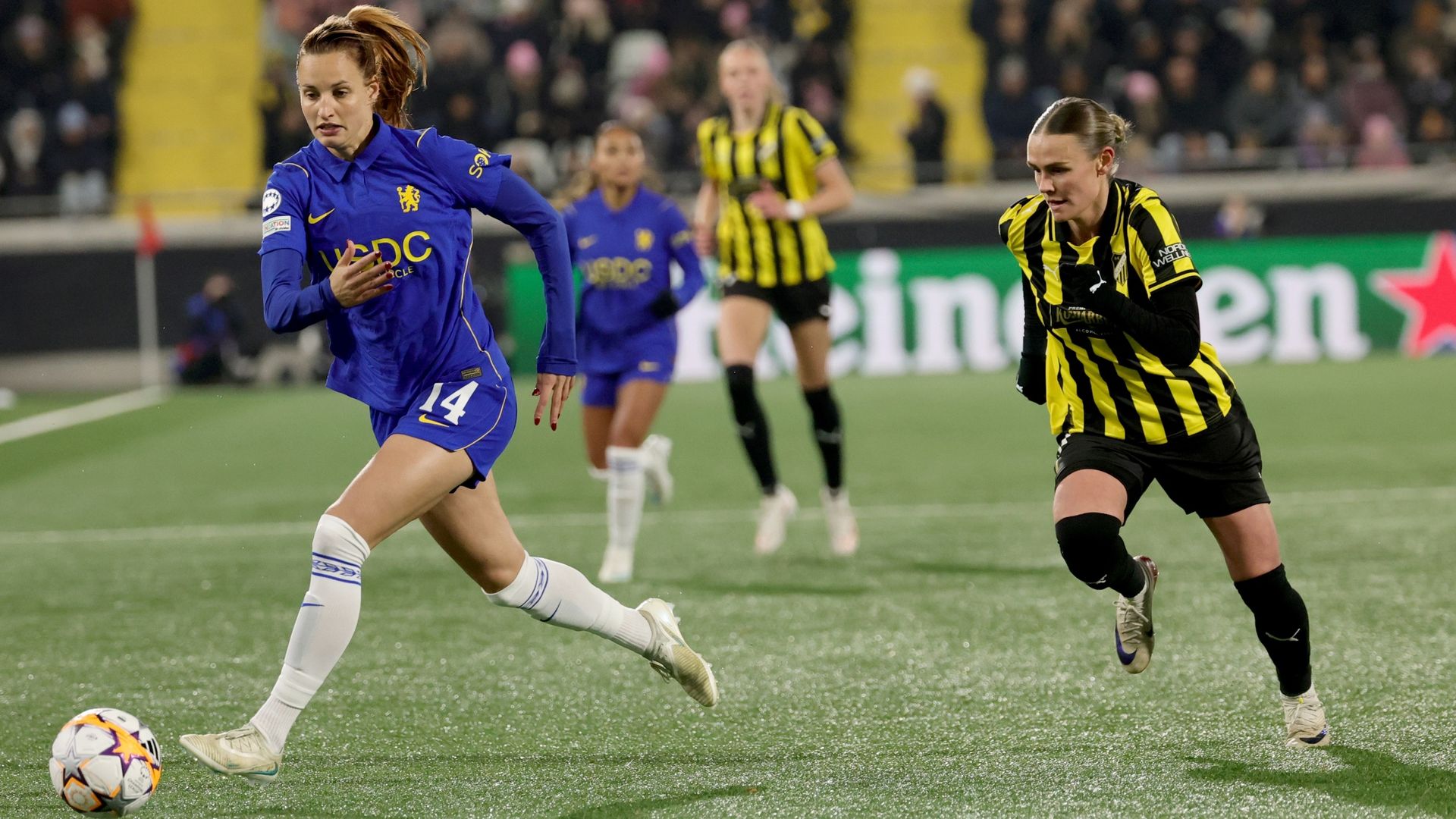
Image: courtesy of Sky sports
Jennifer Falk and BK Häcken Just Exposed Chelsea’s European Vulnerability
Chelsea dominated possession and struck the woodwork twice in Gothenburg, yet were forced to settle for a frustrating 0-0 draw against BK Häcken in the Women's Champions League on November 10, 2026. Goalkeeper Jennifer Falk delivered a masterclass in resistance, leaving manager Sonia Bompastor to ponder a second draw in four European outings and a slipping position in the league phase table.
Outlook
Background
The European night in Sweden exposed a recurring frustration for English clubs abroad: total control without the decisive killer instinct. Chelsea controlled large swathes of the match, created quality openings, and even found the woodwork twice, yet walked away with only a single point. BK Häcken executed a defensive block with absolute discipline, anchored by Jennifer Falk, whose crucial saves preserved the clean sheet. For Chelsea, the result compounds a difficult week following a domestic defeat, leaving the squad searching for offensive sharpness as the group stage intensifies.
Precedents
History shows that winning the Women's Champions League requires more than domestic dominance; it demands ruthless efficiency against low blocks on freezing November nights across Europe. Past tournament winners like Lyon and Barcelona have historically navigated these exact Swedish or Scandinavian road trips by grinding out ugly victories when open play breaks down. When elite English sides fail to convert overwhelming possession into goals away from home, it frequently comes back to haunt them in the spring knockout seedings.
The broader consequence of Tuesday's stalemate extends far beyond a single group stage table. In a revamped competition where goal difference and direct head-to-head records determine home-field advantage in the knockout rounds, dropping points against resolute underdogs can alter an entire path to the final. For players and coaching staff, efficiency in the final third transforms from an aesthetic preference into a strict survival requirement.
Scenarios
AnalysisAnalysis suggests Chelsea may adjust their attacking structures in upcoming European fixtures to introduce more physical presence inside the six-yard box. Alternatively, opponents across the continent could adopt BK Häcken's defensive blueprint, forcing Sonia Bompastor's team to solve deep defensive blocks more frequently through the winter fixtures.
Timeline
November 10, 2026
Stalemate in Gothenburg
BK Häcken hold Chelsea to a 0-0 draw in the Women's Champions League, with Jennifer Falk making crucial saves.
December 2026
Group Stage Conclusion
Teams finalize their league phase standings, where goal difference and draws dictate knockout seeding.
March 2027
Knockout Rounds Begin
The surviving clubs return to European action in the two-legged quarter-finals.
Frequently Asked Questions
The match ended in a 0-0 draw on November 10, 2026.
Discussion
Be the first to share your thoughts.