
Expect a summer of calculated, high-stakes recruitment rather than wholesale changes. The focus will shift toward securing 'proven-winner' profiles who can handle the pressure of the Champions League knockout stages. Manager Mikel Arteta is likely to demand more tactical flexibility to break down low-block defenses that have stifled the team during European nights. Furthermore, the club will look to leverage its newfound status to attract elite talent that might have been out of reach during the rebuilding years. The training ground atmosphere will likely be more intense as the squad aims to avoid the common championship hangover. Fans should anticipate a shift in transfer strategy as the club moves away from developing prospects toward acquiring immediate impact players. The board is expected to support these moves as they seek to cement this era as a legitimate dynasty.
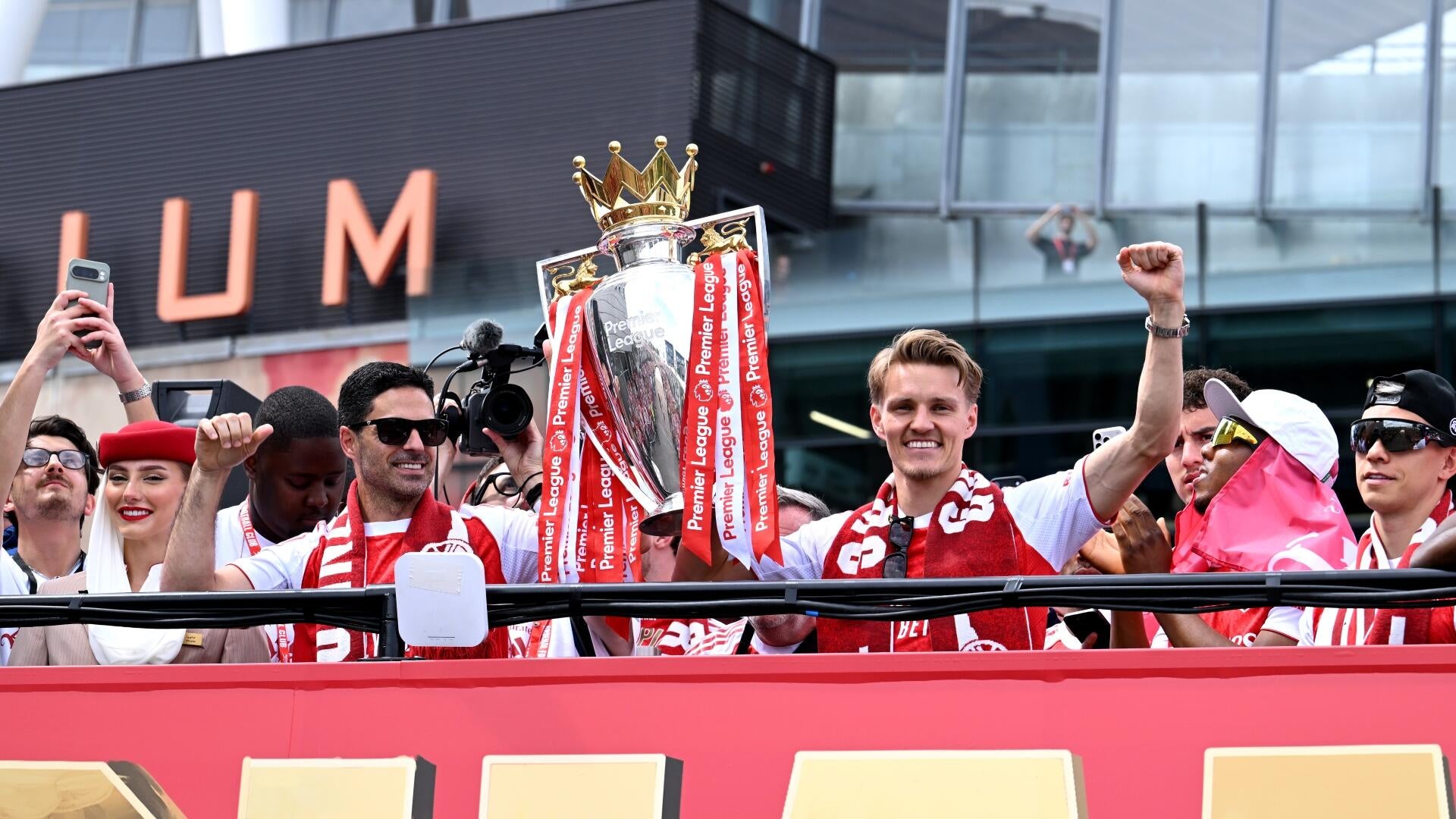
Image: courtesy of Cbs Sports
Arsenal at the Crossroads: How the Gunners Plan to Translate Domestic Glory into European Dynasty
Having secured the Premier League title, Arsenal now faces the daunting challenge of shifting from a hungry challenger to a dominant European force. With the Champions League as the primary objective for the coming season, the club must navigate a delicate balance of squad refinement, financial investment, and the psychological burden of being the team everyone wants to beat.
Outlook
Background
The club’s defensive metrics this season were historically significant, anchored by the consistent partnership of William Saliba and Gabriel Magalhães. While their domestic dominance was built on a solid foundation of conceding fewer goals than any other side, the Champions League requires a different offensive profile. Statistical analysis shows that Arsenal’s conversion rate against defensive-minded teams remains a technical bottleneck. The transition from being the 'underdog' to the 'standard-setter' changes the internal dynamics of the dressing room significantly. Mikel Arteta now holds absolute authority, but he is also under the microscope of an expectant fanbase. The Kroenke family, seeing their asset valuation rise, faces a pivotal moment in determining whether to authorize significant capital injections. These institutional factors will dictate how the club handles the transition into the new season.
See also
Precedents
History serves as both a guide and a warning for the Gunners. The 2005 Chelsea side provides a blueprint for successful consolidation, where they used a title win as a springboard to acquire elite talent like Michael Essien to bolster a winning core. Conversely, the 2019-2020 Liverpool squad illustrates the dangers of stagnation, where a lack of squad refreshment following a title win led to a difficult defense and eventual decline. Arsenal is acutely aware of the 'hunted' status that comes with being a champion. They must avoid the tactical complacency that often sets in when a team has already reached its primary goal. The club is attempting to avoid the trap of believing their current level is sufficient for European success. Learning from these past examples, the leadership is prioritizing depth to handle the bloated fixture list that defines the modern game.
The significance of this moment lies in the scarcity of opportunities to build a true dynasty. Arsenal has spent two decades in a cycle of near-misses, and the current squad is entering its collective prime. Failing to capitalize on this momentum could allow the competitive window to close as rivals like Manchester City and Liverpool inevitably retool. The financial and psychological prestige of winning the Premier League provides a unique leverage point that may not exist in the same way next year. If the club fails to address its final technical gaps now, they risk becoming a team that 'could have' been great rather than one that actually was. The decisions made in the coming weeks will determine if this title is the start of a golden era or the peak of a short-lived cycle.
Scenarios
Analysis1. Aggressive Consolidation: The club secures two marquee, world-class signings, prioritizing short-term dominance and immediate Champions League contention over long-term wage bill austerity. 2. Tactical Refinement: Arteta focuses on internal growth, using advanced data and specialized coaching to maximize the current squad's output, banking on chemistry over heavy spending. 3. The 'Split-Focus' Trap: The team struggles to balance the intensity of a title defense with European demands, leading to a season where they fail to secure either trophy, forcing a difficult period of organizational transition.
Timeline
Frequently Asked Questions
Discussion
Be the first to share your thoughts.