
The immediate expectation is that Ronald Araujo will integrate into Liverpool's defensive line, offering much-needed cover and competition, particularly at centre-back. His presence is likely to be critical as Liverpool begins the 2026/2027 Premier League season grappling with significant injuries to key defenders. Over the course of the season, observers will be watching closely to see how Araujo adapts to the Premier League's intensity and whether his performance justifies Liverpool activating the substantial buy option. For Barcelona, the season will be a test of their new defensive setup without Araujo, and a gauge of whether offloading his wages, even temporarily, provides the desired financial breathing room.
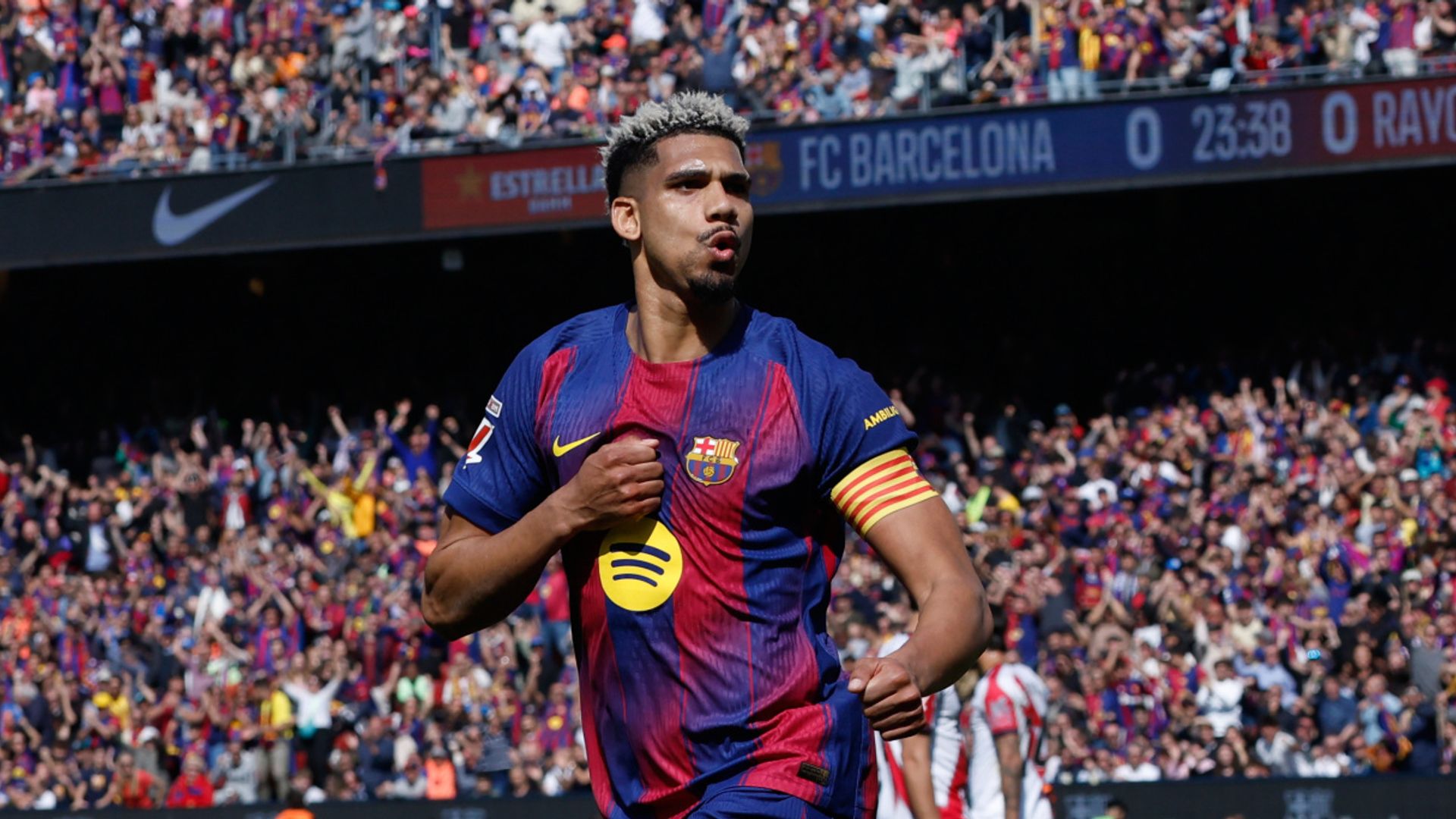
Image: courtesy of Sky sports
Barcelona's Concession: Unpacking the Strategic Logic Behind Ronald Araujo's Surprise Liverpool Loan
Liverpool has secured a season-long loan deal for Barcelona defender Ronald Araujo for the 2026/2027 season, with an option to make the move permanent for approximately £47.14 million. The transfer, confirmed by leading market experts, addresses Liverpool's pressing defensive injury crisis while raising questions about Barcelona's squad planning, especially given Araujo's recent long-term contract extension until 2031. This move appears to be a calculated risk for both clubs, offering immediate relief for Liverpool and potential financial flexibility for a Barcelona side still navigating complex financial realities.
Outlook
Background
Liverpool's decision to pursue Ronald Araujo arrived as the club faced a rapidly deepening defensive crisis just ahead of the new season. Giovanni Leoni is confirmed to be recovering from an ACL tear, sidelining him for the start of the Premier League campaign. Adding to that, Joe Gomez suffered another injury setback during a pre-season friendly against Sunderland. These issues compounded an already stretched situation following the confirmed departure of Ibrahima Konate to Real Madrid and concerns over the fitness of 21-year-old new signing Jeremy Jacquet. The need for immediate, proven defensive reinforcement was stark.
On the other side, Barcelona's willingness to sanction the loan deal for a player who signed a new contract until 2031 is, at first glance, perplexing. Araujo, 27, has been a central figure in Barcelona's defense. However, reports suggest that he has fallen down the pecking order at Camp Nou, indicating a tactical shift or perhaps a strategic decision to rebalance the squad. The verbal agreement between the clubs was approved by Barcelona director Deco, confirming institutional backing for the move. The inclusion of a £47.14 million buy option suggests Barcelona is open to a permanent sale, implying a long-term view of their squad composition and financial health.
See also
Precedents
Loan deals with an option to buy have become a common mechanism in modern football transfers, allowing clubs to defer significant financial commitments while assessing a player's fit. Liverpool itself has experience with such arrangements, though not always with resounding success; the loan of Brazilian midfielder Arthur Melo from Juventus in 2022 serves as a recent example of a temporary move that did not lead to a permanent transfer. These deals mitigate the immediate financial risk for the acquiring club, particularly when large sums are involved, and provide a trial period.
For selling clubs like Barcelona, such arrangements can be driven by several factors. Historically, Barcelona has faced considerable financial pressures, which have influenced their transfer market activity in recent seasons, including player sales and wage bill management. Offloading a high-earning player, even temporarily, can free up funds for other acquisitions or help meet financial fair play regulations. The decision to let a player of Araujo's caliber leave on such terms, despite a long-term contract, suggests a deliberate strategy to either reallocate resources, make room for emerging talent, or address specific financial targets. This pattern of clubs making tough decisions on established players for strategic or economic reasons is not new, but the context of Araujo's recent contract makes this particular move noteworthy.
This transfer carries significant weight for all parties involved. For Liverpool, it represents a crucial, immediate attempt to stabilize a defense that has been hit hard by injuries and departures. Bringing in a proven, experienced defender like Araujo could be the difference between a strong start to the season and one marred by early setbacks. It signals the club's intent to compete at the highest level, even when faced with adversity, by investing in a high-quality, albeit temporary, solution.
For Barcelona, the decision to loan out Araujo, despite his relatively new long-term contract, speaks to a broader strategic recalibration. It suggests a willingness to make difficult choices to manage their squad and financial position. If Araujo performs well and Liverpool exercises the buy option, it would provide a substantial injection of funds, allowing Barcelona to reinvest or reduce debt. If not, they retain a valuable asset, albeit one whose future at the club would then be uncertain. This move could redefine how Barcelona approaches squad building and financial planning in the coming years.
For Ronald Araujo himself, this is a pivotal career moment. Moving to the Premier League offers a new challenge and a chance to prove his worth in one of the world's most demanding leagues. His performance at Anfield will determine not only his long-term future with Liverpool but also his standing in international football. The stakes are high for his personal career trajectory, potentially leading to a lucrative permanent deal or a return to a restructured Barcelona.
Scenarios
AnalysisThe loan deal for Ronald Araujo presents several distinct paths forward, each with significant implications for Liverpool, Barcelona, and the player himself.
Outcome 1: Araujo Excels and Liverpool Activates the Buy Option
If Araujo quickly adapts to the Premier League, forms a strong partnership in Liverpool's defense, and contributes significantly to the team's success through the 2026/2027 season, Liverpool would likely exercise the £47.14 million option to buy. This would provide the club with a long-term solution at centre-back, solidifying their defensive core for years to come. For Barcelona, it would mean a substantial cash injection, which could be reinvested in new talent or used to further reduce their financial liabilities, effectively validating their decision to let him go. Araujo would secure a permanent move to a top Premier League club, establishing himself in a new league.
Outcome 2: Araujo's Performance Is Mixed or Underwhelming, and Liverpool Declines the Option
Should Araujo struggle with the pace of the Premier League, suffer further injuries, or simply not meet Liverpool's high expectations, the club may opt not to activate the buy clause. In this scenario, Araujo would return to Barcelona at the end of the 2026/2027 season. This would leave Liverpool needing to re-evaluate their defensive strategy again, potentially seeking other transfer targets. For Barcelona, it would mean reintegrating a player they had seemingly deemed surplus, potentially creating further squad management challenges and leaving the question of his long-term future unresolved. Araujo's market value might also be affected, making a future sale more difficult.
Outcome 3: Renegotiation or Further Temporary Arrangements
A third possibility lies in a middle ground. If Araujo performs adequately but not spectacularly enough to warrant the full £47.14 million, Liverpool could attempt to renegotiate a lower fee with Barcelona. Alternatively, if both clubs see value in a continued arrangement without a permanent transfer, another loan deal could be discussed, although this is less common for high-profile players after an initial season-long loan with an option. This outcome would highlight the ongoing financial dance between major European clubs and the fluid nature of player valuations in a dynamic market. It would also suggest that neither club found a perfect long-term fit in the initial arrangement, necessitating further tactical and financial maneuvering.
Timeline
Prior to August 2026
Araujo's Barcelona Contract Renewal
Ronald Araujo signs a new long-term contract with FC Barcelona, extending his stay until 2031, signalling his importance to the club's future plans at the time.
Leading up to August 2026
Liverpool's Defensive Crisis Deepens
Liverpool faces significant defensive challenges with Giovanni Leoni recovering from an ACL tear, Joe Gomez sustaining another injury setback in pre-season, and Ibrahima Konate departing for Real Madrid. Concerns also emerge over new signing Jeremy Jacquet's fitness.
2026-08-08
Liverpool Agrees Araujo Loan Deal
Fabrizio Romano, Matteo Moretto, and other transfer market experts confirm Liverpool's verbal agreement with Barcelona for a season-long loan of Ronald Araujo for the 2026/2027 season. The deal includes an option to buy for approximately £47.14 million.
2026-08-09
Expected Medical Examination
Reports suggest Ronald Araujo is scheduled to undergo his medical examination with Liverpool, a final step before the official completion of the loan move.
Late August 2026
Start of Premier League Season
Ronald Araujo is expected to be available for Liverpool's opening fixtures of the 2026/2027 Premier League season, providing immediate reinforcement to the squad.
End of 2026/2027 Season
Decision on Buy Option
Liverpool will face the decision of whether to activate the £47.14 million option to make Ronald Araujo's transfer permanent, based on his performance and the club's strategic needs.
Frequently Asked Questions
Ronald Araujo is a 27-year-old Uruguayan professional footballer who primarily plays as a centre-back. Before this loan move, he was a key defender for FC Barcelona, known for his physical presence, defensive solidity, and leadership qualities.
Discussion
Be the first to share your thoughts.