
Xbox Insiders will be the first to test the new disc-to-digital feature starting on August 31, 2026. Players will insert a supported physical game disc into their Xbox console, which will then verify ownership and grant a digital entitlement for that title. Once the digital license is claimed, the physical disc is no longer required to play the game. This means players can then access their games through Xbox Play Anywhere, allowing them to play across Xbox consoles and Windows PCs without needing to repurchase the digital version. Crucially, it also enables access via Xbox Cloud Gaming, extending playability to a wider range of devices without a console. Microsoft has stated that thousands of titles will be included in this initial rollout, suggesting a broad, though not necessarily universal, compatibility from the outset.
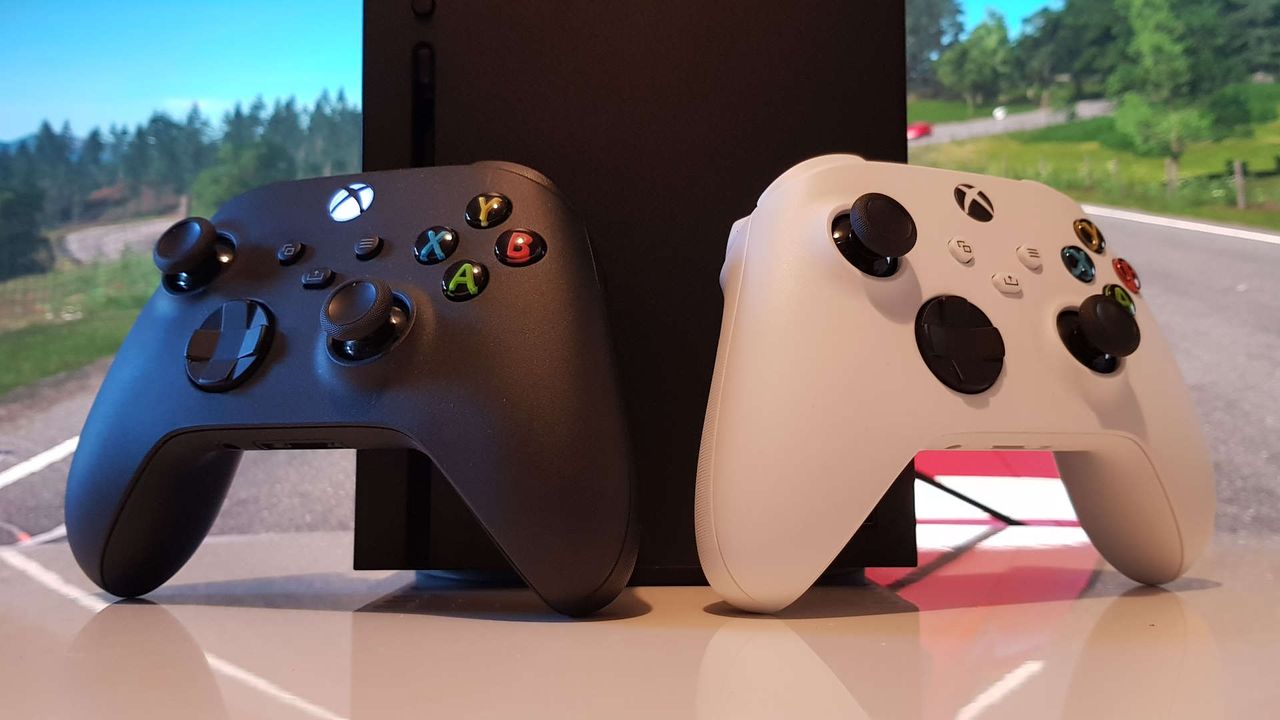
Image: courtesy of PC Gamer
Xbox's Disc-to-Digital Play: Rebuilding Trust and Redefining Game Ownership
Microsoft has officially confirmed a new feature allowing Xbox players to convert their physical game discs into digital licenses. This initiative, which begins testing with Xbox Insiders on August 31, 2026, is presented as part of the company's commitment to game preservation and aims to integrate physical collections seamlessly into the Xbox digital ecosystem. Players will gain access to digital benefits such as Xbox Play Anywhere and Cloud Gaming for thousands of titles.
Outlook
Background
The announcement of Xbox's disc-to-digital feature arrives as the gaming industry continues its steady march towards digital distribution. For years, digital sales have increasingly overshadowed physical media, driven by convenience, instant access, and the proliferation of disc-less console versions. This shift has raised questions about game ownership, particularly for players with extensive physical libraries who worry about the longevity and accessibility of their collections over time.
Microsoft's move also carries significant historical weight. Back in 2013, the company faced a substantial backlash for its initial plans for the Xbox One, which included strict digital rights management (DRM) policies for disc-based games. These policies would have required frequent online checks and imposed restrictions on reselling or sharing physical games. The widespread negative reaction forced Microsoft to reverse course before the console's launch, a decision that shaped its console strategy for years. This new disc-to-digital program appears to be a direct response to those past missteps, aiming to offer the benefits of digital without the perceived drawbacks of forced digital ownership.
From a business perspective, the initiative strengthens Microsoft's broader Xbox ecosystem. By converting physical games into digital licenses that support Play Anywhere and Cloud Gaming, the company encourages deeper engagement with its subscription services and platforms. It also positions Xbox as a leader in game preservation, addressing a growing concern among players and historians about the future of older titles in an era of rapidly changing hardware and digital storefronts.
Precedents
The concept of converting physical media into digital entitlements is not entirely new, though its success has been varied. In the film industry, services like UltraViolet attempted to allow consumers to redeem digital copies of movies purchased on DVD or Blu-ray. While initially promising, UltraViolet eventually shut down due to a lack of widespread adoption and publisher support, highlighting the challenges of such cross-platform initiatives.
Within gaming, the PC market, largely dominated by platforms like Steam, established digital ownership as the norm years ago. Console gaming, however, has maintained a stronger attachment to physical media, partly due to collector culture, the used game market, and a perceived sense of 'true ownership' that comes with a physical disc. Microsoft's 2013 Xbox One DRM controversy stands as a stark reminder of player resistance when digital restrictions are seen as infringing on these established norms.
This new disc-to-digital feature represents a significant evolution from that 2013 attempt. Instead of imposing digital restrictions on physical games, it enhances physical ownership by granting digital flexibility. This suggests a learned lesson: rather than forcing players into a digital-only future, Microsoft is offering a bridge, allowing players to retain the choice of physical purchase while enjoying the advantages of digital access.
This disc-to-digital feature represents a significant shift in how Xbox views physical game ownership, and it carries implications for players, publishers, and the broader industry.
For players, it offers a tangible benefit: future-proofing their existing physical libraries. Discs can degrade, disc drives can fail, and new console generations may eventually arrive without disc drives. By digitizing their collections, players gain assurance that their games will remain accessible. It also provides unparalleled convenience, allowing them to install games on multiple consoles, play on PC, or stream via the cloud without swapping discs. This could be particularly appealing to those who bought a disc-less Xbox Series S, or those who simply prefer the clutter-free experience of a digital library but still enjoy hunting for physical deals.
For Microsoft, this move is a strategic play to strengthen its ecosystem and address lingering perceptions from the Xbox One launch. By offering a player-friendly path to digital ownership, it builds goodwill and potentially drives more engagement with services like Xbox Game Pass and Cloud Gaming. It also positions Xbox as a champion of game preservation, a stance that resonates strongly with the gaming community and helps differentiate it from competitors.
For game publishers, the implications are more nuanced. While the feature could reduce the appeal of the used game market (as players might be less inclined to sell a disc once they have the digital license), it also removes a potential barrier to purchase for players who prefer physical media but want digital flexibility. Publishers will need to decide which titles to support, balancing the benefits of increased digital engagement against any perceived impact on new digital sales. The success of this feature will likely hinge on broad publisher participation, especially for new releases and popular back catalog titles.
Scenarios
AnalysisThe introduction of Xbox's disc-to-digital feature could lead to several distinct outcomes, depending on player adoption, publisher support, and Microsoft's execution.
One possible outcome is that the feature sees widespread adoption, particularly among players with substantial physical collections and those who own disc-less consoles. This could lead to a renewed interest in physical game purchases, as discs effectively become a cheaper entry point to a digital license. If successful, it might also encourage other platform holders to explore similar hybrid models, blurring the lines further between physical and digital ownership across the industry. The increased convenience and accessibility through Play Anywhere and Cloud Gaming would solidify the Xbox ecosystem's value proposition.
Conversely, the feature could face challenges if publisher support is uneven or if the redemption process proves cumbersome. If many popular titles are excluded, or if older discs are not recognized, player interest may wane. There is also the potential for technical issues during the Insider testing phase, which could delay a broader rollout or erode confidence. Furthermore, some players who are staunch advocates for pure physical ownership, valuing the ability to resell or lend games without digital ties, may view this as another step towards an all-digital future they oppose, even if it offers a new form of flexibility. The long-term success of the feature will depend heavily on clear communication from Microsoft and consistent support from third-party publishers.
Timeline
Frequently Asked Questions
Discussion
Be the first to share your thoughts.