
Next year, the ownership landscape for one of PC gaming's most influential franchises will fundamentally shift. Richard Garriott, often known by his in-game persona 'Lord British,' will legally regain the creative rights to the Ultima series. This does not mean a new 'Ultima X' will suddenly appear on storefronts under his direct banner. Electronic Arts, which has owned the series for decades, has recently renewed its trademarks for 'Ultima,' suggesting it intends to maintain control over the brand name itself. This creates a fascinating split: Garriott will be free to develop new games that embody the spirit and lore of Ultima, but they will need fresh titles. Meanwhile, EA will continue to operate 'Ultima Online' and could potentially license the 'Ultima' name for other projects, even without holding the core copyright to the underlying creative work. Expect a period of adaptation as both parties navigate this complex legal division.
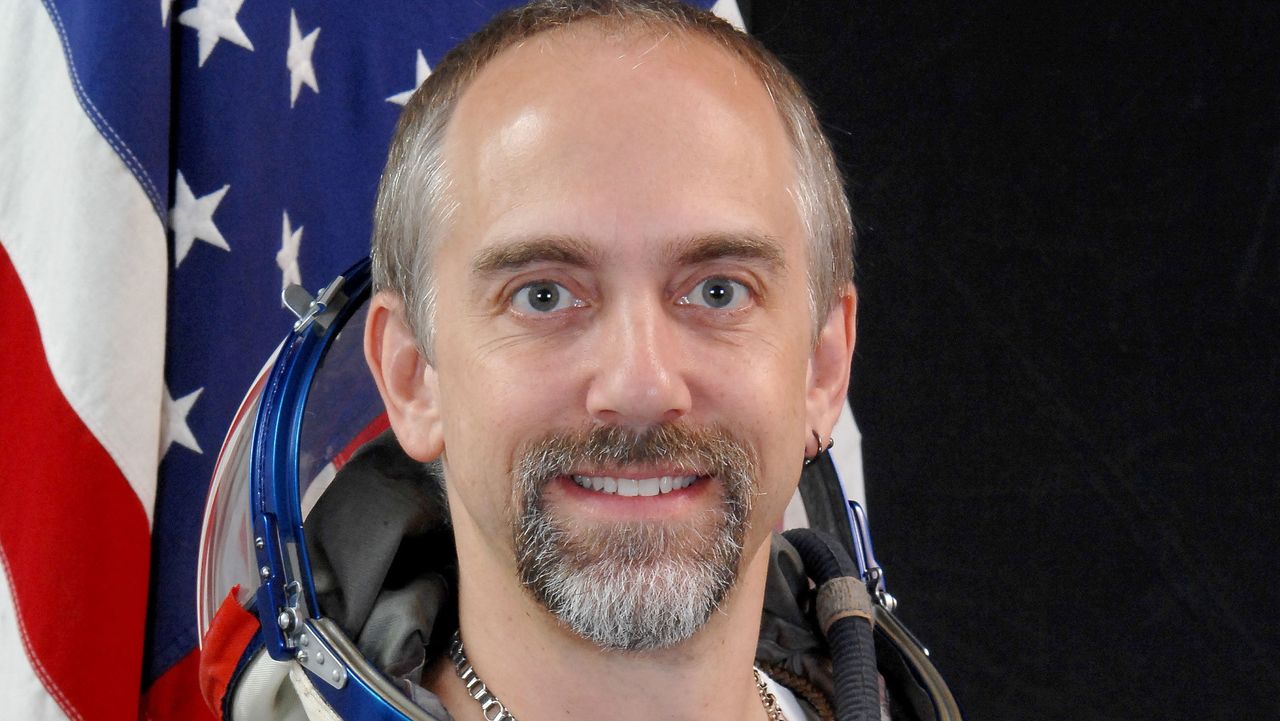
Image: courtesy of PC Gamer
Ultima Creator Richard Garriott Set to Reclaim Copyright From EA in 2027
Richard Garriott, the visionary behind the seminal Ultima role-playing series, is poised to reclaim the copyright to his creation from Electronic Arts in 2027. This move is possible due to a specific provision in U.S. copyright law that allows creators to terminate transfers of rights after 35 years. While Garriott will regain control over the intellectual property, EA is expected to retain the 'Ultima' trademark, meaning any new games from Garriott would likely carry a different name, acting as spiritual successors rather than direct numbered entries in the original series.
Outlook
Background
The Ultima series stands as a foundational pillar of computer role-playing games, pioneering concepts like dynamic worlds, moral choices, and online persistent realms through 'Ultima Online.' Its influence extends across numerous genres, from immersive simulations like 'Ultima Underworld' to modern MMOs. For decades, EA has held the rights, a common occurrence as smaller studios were acquired by larger publishers. However, U.S. copyright law includes a 'termination of transfer' provision, codified in the Copyright Act of 1976, which allows authors or their heirs to reclaim rights to their works after 35 years from the date of initial transfer. This provision is designed to give creators a second bite at the apple, acknowledging that the initial deal terms might not reflect the long-term value of a creation. Garriott's move follows a long period of what are described as unsuccessful discussions with EA about reviving the series under his creative direction. The legal mechanism offers a pathway for creators to regain control when corporate custodianship has not aligned with their original vision or market expectations.
See also
Precedents
The reclamation of intellectual property by original creators is not unheard of in the entertainment industry, though it is less common in video games than in music or literature. Artists like Prince and Taylor Swift have famously fought to regain control over their master recordings, while authors occasionally reclaim book rights. The 35-year rule specifically has seen creators in various fields, from comic book artists to screenwriters, initiate similar processes. For instance, some writers involved in major film franchises have sought to reclaim rights to their original scripts. This often happens when a property has been dormant, or when the creator believes the current rights holder is not maximizing its potential or aligning with the original artistic intent. The gaming industry, with its relatively younger history of major IP transfers, is now seeing some of these longer-term legal dynamics play out. These situations often lead to two distinct lines of content: one from the original creator, often a spiritual successor, and another from the company retaining trademark rights, leveraging brand recognition.
This development carries significant implications beyond just the future of Ultima. For creators, it reinforces the potential for long-term control over their work, offering a legal recourse against perpetual corporate ownership. It could inspire other veteran game developers to examine their own past contracts and consider reclaiming rights to dormant or underutilized franchises. For publishers like EA, it serves as a reminder that long-held IP is not necessarily permanent, potentially prompting them to engage more proactively with original creators or reconsider how they manage their vast catalogs. For players, especially those who grew up with Ultima, this represents the tantalizing possibility of new experiences from the mind of its original architect, even if those experiences are branded differently. It introduces a new dynamic to how classic gaming intellectual property is valued, managed, and potentially revitalized, shifting power back, in part, to the individual creative force.
Scenarios
AnalysisThe legal separation of copyright and trademark for Ultima creates several distinct pathways for the series' future.
One clear outcome is that Richard Garriott will likely proceed with developing a new role-playing game that channels the essence and design philosophy of Ultima, but under a new title. This could manifest as a direct spiritual successor, drawing on similar themes, lore elements, and gameplay mechanics that defined his earlier work, without directly using 'Ultima' in its name. The success of such a project would depend heavily on its quality, market reception, and Garriott's ability to attract funding and talent.
A second possibility is that Electronic Arts, while losing the core copyright, will continue to leverage the 'Ultima' trademark. This means they could greenlight new games or projects under the 'Ultima' name, potentially developed by other studios within their ecosystem, as they currently do with 'Ultima Online.' Such a scenario could lead to two separate, potentially competing, lines of development, one from Garriott and one from EA, both claiming lineage to the original series but operating independently. This could create confusion for consumers and dilute the brand's impact.
A third outcome is that this high-profile case could prompt other creators in the gaming industry to explore similar copyright reclamation options, especially for classic franchises that have been dormant or whose current corporate custodians have not met fan expectations. This could lead to a broader trend of creators reasserting control over their legacies, potentially shifting the balance of power in intellectual property ownership within the industry.
Timeline
Frequently Asked Questions
Discussion
Be the first to share your thoughts.