
Veridact
TechSportsFinanceGaming🎯 PredictionsAbout
Sign InSign Up
Veridact

Analysis before the headline. Veridact examines technology, finance, sports, and gaming events before they unfold through forecasting, probability modeling, historical precedent, and public prediction tracking.

Stay ahead of what's next

Forecasts, analysis, and prediction updates delivered to your inbox.

Coverage

  • Tech
  • Sports
  • Finance
  • Gaming

Company

  • About Us
  • Privacy Policy

© 2026 Veridact. Forecasting & analysis platform.

Content may include AI-assisted research and analysis. Predictions and opinions should not be considered financial, legal, medical, or investment advice.

gaming
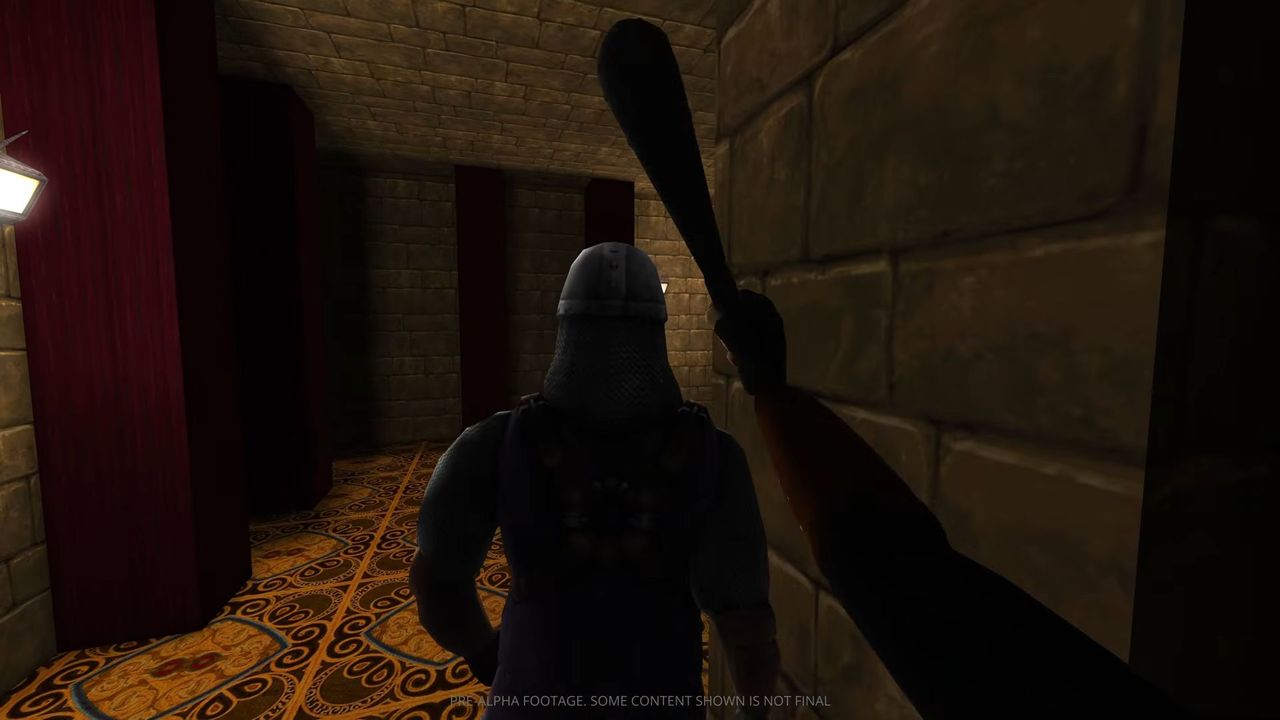
Nightdive's Thief remaster is adding a weapon wheel and other UI changes, 'but we're not forcing you to use it'

Image: courtesy of PC Gamer

gamingJune 26, 2026By Veridact EditorialUpdated Jun 26

Nightdive’s Thief Remaster Adds Optional Weapon Wheel, Revamps UI: A Balancing Act for a Stealth Classic

Nightdive Studios has confirmed that its upcoming remaster of the seminal stealth title, *Thief: The Dark Project*, will introduce a modern weapon wheel and other user interface enhancements. Crucially, the studio emphasizes these changes will be optional, a move designed to update the game for contemporary players without alienating its dedicated fanbase. The remaster, built on Nightdive’s proprietary KEX Engine, is slated for release in winter 2026.

Outlook

Players diving into Thief: The Dark Project Remastered can anticipate a significant visual overhaul while the core gameplay mechanics are largely preserved. Nightdive Studios has confirmed updates to all in-game art assets, including textures and character models. New cutscenes and animations are also being created to bring a more polished presentation to the classic.

A key addition is a modern weapon and item wheel, a common feature in many contemporary action and stealth games that allows for quick selection of tools without pausing the action. This feature, alongside other user interface (UI) changes, is designed to improve accessibility and flow for players accustomed to modern control schemes. However, Nightdive has explicitly stated that these UI changes, including the weapon wheel, will be optional, allowing purists to stick with the original interface if they prefer.

The remaster will also include a mission selector, providing easier access to specific parts of the game for replayability or exploration. For the dedicated PC community, support for custom campaigns will be a welcome return, acknowledging the long history of player-created content for the Thief series. The game is confirmed to support up to 4K resolution at 120 frames per second on PC and will feature modern gamepad support, complete with rumble functionality.

Content-wise, the remaster bundles both the original Thief: The Dark Project and the expanded Thief Gold re-release from 1999, which added three new missions and five additional enemy types. The developers are maintaining the original game’s unscripted, maze-like level design and advanced AI, where enemies react realistically to sounds and sights.

Background

Thief: The Dark Project, first released in 1998, is not just another old game getting a facelift; it is a foundational text in the history of video game design. It didn’t merely introduce stealth mechanics; it defined them. Before Thief, stealth was often a component of other genres; after Thief, it became a genre unto itself. The game’s intricate level design, reliance on sound, and the unique perspective of Garrett, a master thief, created an immersive experience unlike anything seen before.

Nightdive Studios has carved out a niche as a specialist in revitalizing beloved PC classics, often using their in-house KEX Engine. Their portfolio includes successful remasters of System Shock, Quake, and Turok, among others. Their approach typically involves graphical enhancements and modern compatibility while striving to preserve the original game's feel. This philosophy has earned them a reputation for respecting the source material, a crucial factor when dealing with a game as revered as Thief.

The challenge for any remaster of a truly iconic game lies in balancing modernization with fidelity. Longtime fans often have deeply ingrained memories and expectations, sometimes resistant to any changes, no matter how minor. New players, on the other hand, might find archaic UI or control schemes to be significant barriers to entry. Nightdive’s decision to make the weapon wheel and other UI changes optional is a direct acknowledgment of this tension, attempting to thread a very narrow needle between these two demanding audiences.

Precedents

The history of video game remasters is littered with both triumphs and cautionary tales, particularly when dealing with beloved classics. Developers often face a difficult choice: stick rigidly to the original, risking alienation of new players, or modernize aggressively, potentially angering purists.

Nightdive Studios itself has a strong track record of successful remasters, often lauded for their respectful approach. Their work on System Shock: Enhanced Edition and Quake demonstrated a clear understanding of what makes these games special, focusing on technical improvements and optional quality-of-life features rather than fundamental gameplay alterations. This has largely insulated them from the backlash seen with other remasters that have taken more liberties.

However, even with the best intentions, UI changes can be contentious. Historically, games like Doom 3: BFG Edition faced criticism for altering lighting effects, which were integral to the original’s atmosphere, even if other changes were welcome. More broadly, projects that attempt to 'fix' perceived flaws in a classic often stumble, as what one developer sees as a flaw, a dedicated fanbase might see as a core part of the game's identity. The optional nature of Nightdive's UI changes for Thief directly addresses this historical friction, learning from past industry missteps by giving players agency over their experience. This strategy has proven effective in other remasters where optional modern controls or graphical filters were offered, allowing players to tailor the experience to their preference.

The remaster of Thief: The Dark Project is more than just another old game getting a new coat of paint; it represents a critical test for how the industry approaches the preservation and re-introduction of foundational titles. Thief is a touchstone for stealth game design, influencing countless titles that came after it. Its re-release with modern technical capabilities, while maintaining its original spirit, could re-ignite interest in a genre that has seen considerable evolution but still draws heavily from these early pioneers.

For Nightdive Studios, this project is a high-profile demonstration of their remastering philosophy. Their success or failure in balancing fidelity with modernization in Thief could solidify their reputation as the premier studio for classic game revitalization or, conversely, expose the limitations of their approach. The optional nature of the UI changes is a direct response to years of fan feedback across the industry regarding unwanted 'improvements' in remasters. If this strategy proves successful, it could set a new standard for how developers engage with legacy titles, emphasizing player choice in how they experience these updated classics. This, in turn, influences future investment in remasters and the broader conversation around video game preservation.

Furthermore, a well-executed Thief remaster could introduce an entirely new generation of players to the intricacies of true stealth gameplay, distinct from the action-heavy stealth elements often found in modern open-world games. It offers a chance for a new audience to understand why a game from 1998 continues to be relevant and influential, demonstrating that thoughtful design often transcends graphical limitations.

Scenarios

Analysis

Nightdive’s approach to Thief: The Dark Project Remastered presents several potential outcomes, each with varying implications for the game, the studio, and the broader remaster market.

One possible outcome is that Nightdive successfully threads the needle, creating a remaster that satisfies both long-time fans and new players. By offering optional modern UI and gamepad support while preserving the core gameplay and visual aesthetic, the studio could achieve a wide critical and commercial success. This would validate their philosophy of respectful modernization and likely strengthen their position as the go-to studio for classic game revivals. It would also serve as a blueprint for other developers grappling with how to update their own legacy titles without alienating core audiences. The game could see strong sales, positive reviews, and a resurgence of interest in the Thief series, potentially paving the way for further remasters or even new entries in the franchise.

Conversely, even with the optional UI, a segment of the highly passionate Thief fanbase might still express dissatisfaction. Any alteration, no matter how minor or optional, can be perceived as an unwelcome change to a cherished classic. This could manifest as vocal criticism within fan communities, potentially overshadowing the positive aspects of the remaster for some. While unlikely to derail the project entirely, it could lead to a more polarized reception, where the game is praised by new players and those who appreciate the modern conveniences, but viewed with suspicion or outright rejection by a vocal minority of purists. This outcome might highlight the inherent difficulty in pleasing every faction when dealing with deeply beloved, historically significant games.

A third scenario suggests the optional features, particularly the weapon wheel, might make the game significantly more accessible and enjoyable for players unfamiliar with older PC game interfaces. This could broaden Thief's appeal beyond its traditional niche, bringing in a new generation of stealth enthusiasts who might have previously found the original too clunky. If this happens, it could demonstrate the commercial viability of carefully integrated modern features, even in the most sacred of classics, proving that accessibility can coexist with preservation when handled with care. This outcome would likely be seen as a win for Nightdive, validating their strategic decision to invest in these optional updates.

Timeline

1998
Thief: The Dark Project Original Release
The original game, developed by Looking Glass Studios, is released, establishing the modern stealth genre.
1999
Thief Gold Re-release
An expanded version of the original game is released, adding new missions and content.
2026-06-26
Nightdive Studios Confirms Remaster Details
Nightdive announces the upcoming remaster will feature updated visuals, optional modern UI including a weapon wheel, and other enhancements, built on the KEX Engine.
Winter 2026
Thief: The Dark Project Remastered Release
The full remaster, including content from both The Dark Project and Thief Gold, is planned for release.

Frequently Asked Questions

*Thief: The Dark Project* is a highly influential stealth video game originally released in 1998. It is widely credited with defining the modern stealth genre, focusing on evasion, sound manipulation, and intricate level design rather than direct combat, through the eyes of master thief Garrett.

Discussion

0/100
0/1000

Be the first to share your thoughts.

Related Coverage

gaming

Bungie Ends Destiny 2 Development After Sony Layoffs, Shifts Full Focus to Marathon

Jun 27
gaming

The Illusion of Ownership: PlayStation Deletes 551 Movies, Offers No Refunds to UK Customers

Jun 27
gaming

Embark Sweetens the Deal: Arc Raiders Expedition 4 Offers Paid Currency and Blueprints

Jun 27
gaming

Star Wars: Galactic Racer Blends Burnout Speed with Slay the Spire Strategy, Challenging Racing Game Norms

Jun 27

Stay ahead of the story

AI analysis delivered before events unfold. No spam.

ⓘ

Methodology: Veridact combines public data, historical precedent, and analytical models to evaluate the likelihood of future outcomes.