
Veridact
TechSportsFinanceGaming🎯 Predictions⭐ OpportunitiesAbout
Sign InSign Up
Veridact

Analysis before the headline. Veridact examines technology, finance, sports, and gaming events before they unfold through forecasting, probability modeling, historical precedent, and public prediction tracking.

Stay ahead of what's next

Forecasts, analysis, and prediction updates delivered to your inbox.

Coverage

  • Tech
  • Sports
  • Finance
  • Gaming

Company

  • About Us
  • Privacy Policy

© 2026 Veridact. Forecasting & analysis platform.

Content may include AI-assisted research and analysis. Predictions and opinions should not be considered financial, legal, medical, or investment advice.

gaming
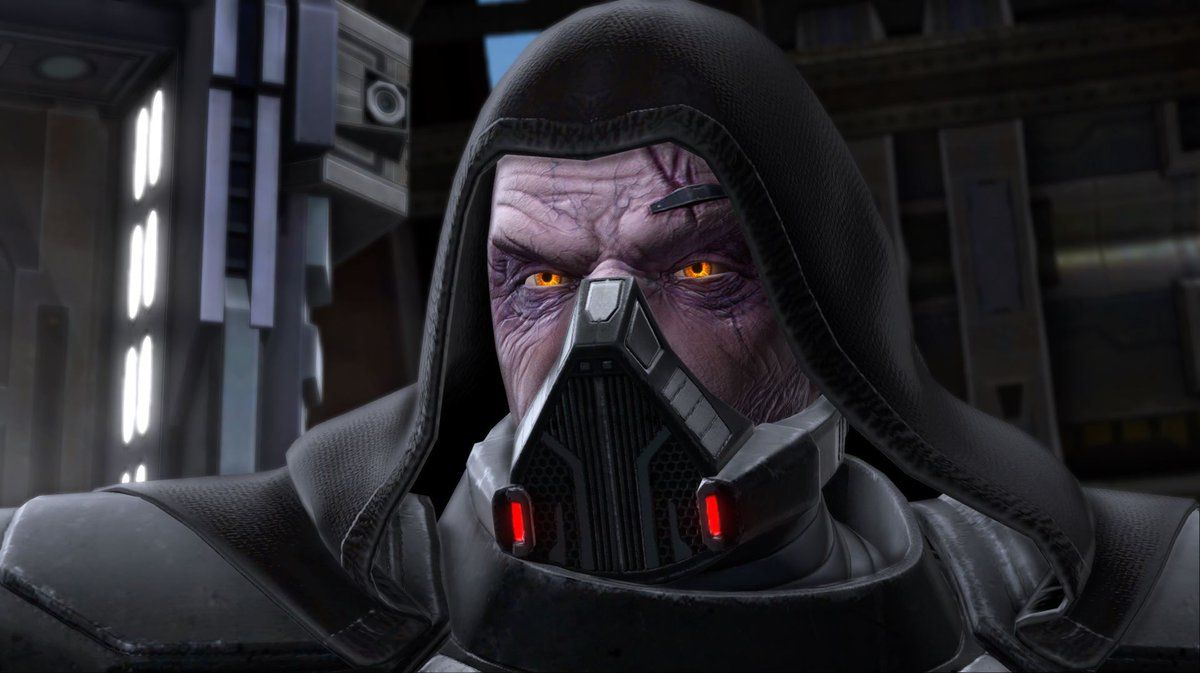
Star Wars: The Old Republic hopes to recapture the 'classic' experience with difficulty options and a new way to start from scratch

Image: courtesy of PC Gamer

gamingAugust 16, 2026By Veridact EditorialUpdated Aug 16

Star Wars: The Old Republic's 'Classic' Gamble: Can Difficulty Modes and New Ventures Revive a Decade-Old MMO?

Star Wars: The Old Republic, BioWare's long-running massively multiplayer online role-playing game, is set to introduce significant changes at the end of 2026 with its 8.0 update, dubbed 'Masters of the Force.' The update will bring new Classic and Expert difficulty options for players, alongside a novel 'venture character' system designed to offer a fresh, challenging start to the game's original storylines. These additions are explicitly aimed at recapturing the feeling of the game's earlier days, a move that suggests a strategic effort to re-engage lapsed players and satisfy long-standing community requests for increased challenge.

Outlook

Players of Star Wars: The Old Republic can expect a fundamental shift in how they experience the game's content when the 8.0 'Masters of the Force' update launches at the end of 2026. The most prominent new features are the Classic and Expert difficulty modes. These are not merely numerical tweaks; they are intended to make combat encounters and progression feel more demanding, reminiscent of the game's launch era when the challenge level was notably higher. Players will be able to toggle these difficulties for enemies relative to their characters, allowing for a customized experience.

Beyond the general difficulty toggles, the update introduces 'venture characters.' This system allows players to create entirely new characters that embark on the game's story from the beginning, but under a specialized difficulty framework that also includes Classic and Expert options. These venture characters come with unique objectives and, upon completion, will earn special rewards. While the specific nature of these rewards remains undisclosed, the emphasis is on 'meaningful progression' and 'unique recognition,' suggesting cosmetic items, titles, or other non-power-related incentives that celebrate mastery rather than simply providing a gear advantage.

The overall intent is to 'evoke the feel of the classic SWTOR experience.' This implies a focus on the narrative journey, the strategic use of abilities, and the sense of overcoming significant obstacles that characterized many older MMOs. For players who have found the game's current progression too streamlined or easy, these new options represent a direct response to their feedback. The 'Masters of the Force' era itself suggests a renewed focus on the core Star Wars fantasy and the epic stories that have always been a hallmark of The Old Republic.

Background

Star Wars: The Old Republic launched in December 2011, establishing itself as a narrative-heavy MMO within the beloved Star Wars universe. Over its decade-plus lifespan, the game has undergone numerous changes, evolving its core systems, adding expansions, and adjusting difficulty curves. For many years, a recurring point of feedback from a segment of the player base has been the gradual reduction in perceived difficulty, particularly in the game's original story content. As characters gained power and game systems were streamlined, much of the early-game challenge diminished, leading some veteran players to feel the 'classic experience' had been lost.

Forum discussions dating back to at least 2015 show players actively requesting difficulty options for older storylines. For a long time, the technical feasibility of implementing such changes was cited as a barrier, with developers suggesting it could 'break' existing content. The confirmed introduction of these difficulty modes now, more than a decade after the game's launch, indicates a significant engineering effort and a clear strategic priority from the development team and publisher Broadcom, which acquired the game's previous owner, Electronic Arts, in 2022.

The timing of this update is also notable. In an increasingly competitive live-service gaming market, retaining existing subscribers and attracting new or lapsed players requires continuous innovation and responsiveness to community desires. Tapping into nostalgia for a 'classic' experience has proven to be a powerful, if sometimes complex, strategy for other long-running MMOs, most notably World of Warcraft with its 'Classic' servers. This move by SWTOR suggests a similar attempt to leverage its own history to secure its future.

Precedents

The concept of reintroducing a 'classic' experience is not new in the realm of massively multiplayer online games. World of Warcraft's highly successful launch of 'WoW Classic' in 2019 demonstrated a clear appetite among players for a return to earlier, often more challenging, versions of beloved titles. This phenomenon is driven by a powerful combination of nostalgia, a desire for a different gameplay pace, and a rejection of some modern design philosophies that prioritize accessibility and speed over deliberate progression and difficulty.

These 'classic' initiatives typically aim to recapture specific elements: slower leveling, more demanding combat, greater reliance on social interaction for group content, and a feeling of greater accomplishment when overcoming obstacles. While SWTOR's approach with toggleable difficulty and venture characters differs from a full 'classic server' rollout, the underlying motivation appears similar. It seeks to offer a curated experience that appeals to players who value challenge and immersion in the original narrative journey.

However, the success of such endeavors is not guaranteed. The challenge lies in balancing the demands of a nostalgic, hardcore audience with the expectations of the broader player base, many of whom may prefer the conveniences and accessibility of modern game design. Development teams must also navigate the technical complexities of re-tuning or re-implementing older systems without introducing new bugs or fracturing the community. The historical pattern suggests that while a 'classic' revival can generate significant excitement and a temporary bump in player numbers, sustained engagement often depends on a delicate balance of new content and a continued commitment to the 'classic' ethos.

The introduction of Classic and Expert difficulty options, alongside the venture character system, represents more than just a feature update for Star Wars: The Old Republic; it signifies a strategic pivot for a game that has been live for over a decade. For the existing player base, it addresses a long-standing desire for more challenging content, particularly within the iconic story campaigns. This could significantly boost player satisfaction and retention, especially among those who felt the game had become too easy.

For lapsed players, this update offers a compelling reason to return. Many players initially left SWTOR due to a perceived lack of challenge or a shift in gameplay philosophy over time. The promise of a 'classic experience' with meaningful rewards could be the catalyst needed to draw them back into the game, potentially reactivating dormant subscriptions and increasing overall player engagement. This is critical for any live-service game, where a consistent stream of active users is vital for its longevity and profitability.

From an industry perspective, SWTOR's move will be closely watched. If successful, it could provide a blueprint for other aging MMOs looking to revitalize their offerings without resorting to costly full-scale 'classic' server recreations. It speaks to a broader trend in gaming where players are increasingly seeking depth, challenge, and authenticity, pushing developers to reconsider design choices that may have inadvertently alienated segments of their audience. The success or failure of this initiative could influence future development strategies across the MMO genre, highlighting the ongoing tension between accessibility and difficulty in game design.

Scenarios

Analysis

One potential outcome is a significant resurgence in player engagement, particularly among veteran and lapsed players. If the new difficulty modes genuinely recapture the challenging feel of early SWTOR, and the venture character rewards are compelling, it could lead to a noticeable increase in active subscriptions and daily player counts. This would affirm BioWare's decision to invest in these changes and demonstrate the enduring power of nostalgia and challenge in MMOs. Such a scenario would likely see renewed interest in the game's future development, potentially leading to more ambitious content updates.

Another possibility is that the changes generate initial excitement but fail to sustain long-term engagement. Players might try the new modes, find them enjoyable for a time, but ultimately fall back into old patterns if the difficulty isn't perfectly tuned or if the 'unique rewards' aren't perceived as truly valuable. This outcome could also occur if the technical implementation is buggy or if the 'classic experience' doesn't quite live up to player expectations, which are often heavily idealized by nostalgia. In this case, the update would be seen as a positive step, but not a transformative one for the game's trajectory.

A third, more pessimistic, outcome could see the changes having minimal impact on the overall player base. If the new modes are too niche, or if the broader appeal of the game has simply waned over time, these additions might only satisfy a small, dedicated segment of players without attracting a significant number of new or returning users. This would suggest that while the development team responded to feedback, the underlying challenges of maintaining a decade-old MMO in a crowded market are more profound than can be addressed by difficulty tweaks alone.

Timeline

2011-12-20
Star Wars: The Old Republic Launches
BioWare's Star Wars-themed MMORPG goes live, emphasizing story-driven gameplay.
2015-03-08
Player Requests for Difficulty Begin
Forum posts indicate players requesting difficulty options for original storylines, noting a perceived decrease in challenge.
2026-08-15
8.0 Update Features Announced
BioWare officially reveals Classic and Expert difficulty modes, and the new venture character system, as part of the upcoming 8.0 update.
2026-08-15
Masters of the Force Era Name Revealed
The name of the new era beginning with Game Update 8.0, 'Masters of the Force,' is announced.
2026-12-31
8.0 'Masters of the Force' Update Release (Expected)
The major game update, introducing the new difficulty options and venture characters, is scheduled for release by the end of 2026.

Frequently Asked Questions

The 8.0 'Masters of the Force' update will introduce 'Classic' and 'Expert' difficulty modes. These modes are designed to make enemies more challenging, aiming to recapture the difficulty level of the game's early years.

Discussion

0/100
0/1000

Be the first to share your thoughts.

Related Coverage

gaming

Xbox's Disc-to-Digital Play: Rebuilding Trust and Redefining Game Ownership

Aug 28
gaming

GTA 6's Netflix Debut: What a 26-Minute Reveal Means for Gaming's Biggest Launch

Aug 28
gaming

Lanterns' 'Trust Fall' Deepens the Mystery, Setting a Treacherous Path for Hal and John

Aug 24
gaming

Golden Axe Animated Series Faces Fan Backlash Before Release: The Challenge of Adapting Retro IP

Aug 23

Stay ahead of the story

AI analysis delivered before events unfold. No spam.

ⓘ

Methodology: Veridact combines public data, historical precedent, and analytical models to evaluate the likelihood of future outcomes.