
Reports from yesterday, July 8, indicate that Microsoft is considering making more of its first-party games exclusive to Xbox. This comes after an earlier period where Microsoft expanded the availability of some of its first-party titles to platforms beyond Xbox consoles and PC. Two upcoming titles, Gears of War: E-Day and Clockwork Revolution, are already confirmed as Xbox exclusives. These titles were notably highlighted at the recent Xbox Games Showcase 2026. Despite this potential shift, not all first-party games will be locked down; sources confirm that large multiplayer titles will continue to be multiplatform. Furthermore, Matt Booty, head of Xbox Game Studios, confirmed that all first-party games will still launch on Game Pass on day one. Xbox President Sarah Bond also announced that Diablo IV will be the first Activision Blizzard game to join Game Pass, reinforcing the subscription service's role.
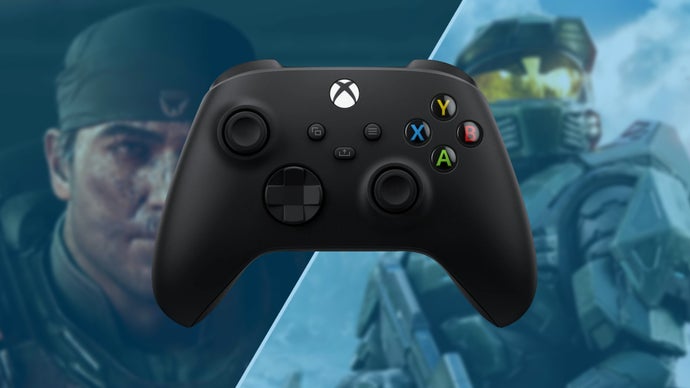
Image: courtesy of EuroGamer
Xbox's Return to Exclusivity: A Risky Pivot for Microsoft's Gaming Strategy
Microsoft is reportedly re-evaluating its strategy regarding first-party game exclusivity, with a new focus on making more titles exclusive to Xbox to drive console sales. This marks a strategic shift from a recent period where several prominent Xbox games, including *Senua's Saga: Hellblade II* and *Gears of War: Reloaded*, were released on rival platforms like PlayStation 5 and PC via Steam. While some major multiplayer titles will remain multiplatform, this move signals a renewed effort to differentiate the Xbox ecosystem, despite earlier assurances that Game Pass would remain the central pillar of its strategy. The decision follows a period of mixed results for Xbox in the ongoing console competition.
Outlook
Background
The discussion around increased Xbox exclusivity comes after a period of strategic experimentation by Microsoft. For years, Xbox has sought to expand its reach beyond traditional console sales, notably through its Game Pass subscription service and by bringing some first-party titles to other platforms. This was seen with Senua's Saga: Hellblade II and Gears of War: Reloaded, both of which launched on PlayStation 5 and Steam in the summer of 2025. The stated aim behind this multiplatform approach was to reach more players and potentially generate additional revenue streams, decoupling the success of Xbox content from the sole performance of its hardware. However, the reported consideration for more exclusives suggests that the company may be looking to re-emphasize the importance of console sales and the perceived value of owning an Xbox. This pivot is particularly notable as Xbox continues to face stiff competition in the console market, where PlayStation has historically held a dominant position. The strategic balance involves weighing the broad accessibility of content against the unique draw of platform-exclusive titles that can motivate hardware purchases.
See also
Precedents
Microsoft's approach to game exclusivity has seen several shifts over the Xbox brand's two-decade history. Initially, the original Xbox and Xbox 360 eras relied heavily on strong first-party exclusives like Halo and Gears of War to compete with PlayStation. The Xbox One generation saw a period where Microsoft struggled to deliver a consistent stream of system-selling exclusives, leading to a perceived content drought. This contributed to PlayStation 4's significant market lead. In response, Microsoft pivoted towards its Game Pass subscription service, aiming to build an ecosystem where owning an Xbox console was less critical than subscribing to the service, which was also available on PC and cloud. This strategy included acquiring major studios like Bethesda and Activision Blizzard, significantly expanding its first-party content library. The recent move to bring some of these first-party titles to rival platforms, as seen with Hellblade II and Gears of War: Reloaded in 2025, represented the furthest extension of this multiplatform strategy. The current reports suggest a re-evaluation, possibly indicating that the multiplatform approach, while expanding reach, did not sufficiently translate into the desired console sales or ecosystem growth. This return to a more traditional exclusivity model for certain titles could be interpreted as a strategic 'reset,' attempting to recapture a clear value proposition for the Xbox console itself.
This potential shift back towards greater exclusivity carries significant implications for Microsoft, the broader gaming industry, and consumers. For Microsoft, it represents a gamble on whether exclusive titles can truly drive console sales in a market increasingly focused on subscription services and multiplatform access. If successful, it could help Xbox carve out a more distinct identity and potentially boost its hardware market share, which has lagged behind competitors. However, if unsuccessful, it risks alienating parts of its player base who have grown accustomed to broader access to Xbox content, potentially undermining the 'play anywhere' ethos that Game Pass has promoted. For consumers, this means that future first-party Xbox games may require an Xbox console or a PC to play, limiting choice for those on PlayStation or Nintendo platforms. It could also intensify the 'console war,' pushing each platform holder to invest more heavily in exclusive content to differentiate their offerings. Developers within Xbox Game Studios will need to align their creative visions with this updated platform strategy, ensuring their titles deliver the kind of compelling experiences that justify a console purchase. The long-term success of Game Pass itself could also be affected; while day-one launches remain, the perceived value of the subscription might shift if the most anticipated titles are no longer available to a wider audience through other means.
Scenarios
AnalysisOne possible outcome of this strategic pivot is a modest but noticeable increase in Xbox console sales. By offering truly exclusive, high-profile games like Gears of War: E-Day and Clockwork Revolution, Microsoft aims to create compelling reasons for consumers to invest in Xbox hardware. This could lead to a stronger, more defined brand identity for Xbox, clearly distinguishing its content library from rivals. If these exclusives are critically acclaimed and commercially successful, they might attract new players to the Xbox ecosystem, potentially boosting Game Pass subscriptions and accessory sales in the long run. This outcome would validate Microsoft's belief that hardware exclusives remain a crucial lever in the console market, even in an era of services.
Conversely, this shift could fall short of its objectives, leading to limited impact on console sales. If the exclusive titles, while strong, are not enough to overcome the entrenched market positions of PlayStation and Nintendo, or if the broader gaming community continues to prioritize multiplatform access, Xbox could find itself in a difficult position. This might alienate players on other platforms who previously had access to Xbox's content, without necessarily converting them into Xbox console owners. Such an outcome could lead to a smaller overall audience for these exclusive games, potentially reducing their cultural impact and overall revenue potential compared to a multiplatform release. This could also raise questions about the long-term viability of a hardware-centric strategy for Xbox, potentially forcing another re-evaluation of its market approach in the years ahead.
Timeline
Frequently Asked Questions
Discussion
Be the first to share your thoughts.