
Players can expect a highly dynamic set of playstyles from this newly announced trio. Magneto is likely to behave as a high-mobility utility character, using his control over magnetism to pull opponents in or push them away while maintaining strong defensive barriers. His classic fighting game legacy suggests he will appeal to high-skill players who love fast-paced movement and complex combos. Green Goblin, by contrast, introduces a unique aerial element to the battlefield. Watching him maneuver on his glider suggests that players will have to deal with complex air-to-ground assault patterns and projectile pressure from his pumpkin bombs. Carnage looks to be the most aggressive of the three, utilizing chaotic, unpredictable attacks that stretch across the screen. His symbiote tendrils will allow him to pull himself toward opponents or execute sudden, high-damage command grabs. Together, these three characters suggest that Marvel Tokon Fighting Souls will prioritize fast decision-making and vertical movement. The visual effects accompanying their special moves also indicate a high level of graphical polish that leverages current-generation hardware.
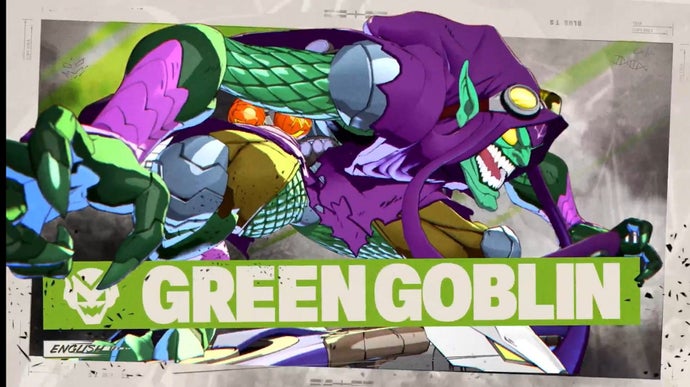
Image: courtesy of EuroGamer
Sony State of Play Reveals Magneto, Green Goblin, and Carnage for Marvel Tokon Fighting Souls
On June 2, 2026, Sony's State of Play broadcast delivered a massive surprise for fighting game enthusiasts by showcasing three major additions to the roster of Marvel Tokon Fighting Souls. Magneto, Green Goblin, and Carnage were officially revealed in an action-packed trailer that highlighted their unique abilities and combat mechanics. This announcement immediately captured the attention of both competitive fighting game players and casual comic book fans. The inclusion of these characters highlights a deliberate effort to blend classic mutant lore with the highly popular Spider-Man rogue's gallery. Each of these villains brings a distinct visual style and combat archetype to the game, promising to shake up how matches are played. By showcasing this game during a major PlayStation event, the developers have signaled that this is one of the most significant fighting game releases on the horizon. Fans are already dissecting every frame of the gameplay footage to understand how these characters will fit into the game's overall systems.
Outlook
Background
The announcement of Magneto, Green Goblin, and Carnage comes at a crucial time for the fighting game genre, which is currently enjoying a massive resurgence. Over the last few years, major franchises have successfully modernized their mechanics to attract a younger generation of players while keeping veterans engaged. Marvel Tokon Fighting Souls is attempting to carve out its own space in this crowded market by leaning heavily on iconic comic book rivalries. The inclusion of Magneto is particularly significant because it represents the enduring legacy of X-Men characters in competitive fighting games. For a long time, licensing complications kept certain characters out of the spotlight, frustrating fans who grew up on classic crossover titles. Seeing Magneto share the stage with Spider-Man's greatest foes confirms that those corporate barriers have been dismantled. This roster decision shows that the developers are not just chasing current cinematic trends, but are actively respecting the history of the source material. It also positions the game as a potential bridge between different eras of fighting game fandom.
See also
Precedents
Looking back at the history of Marvel-themed fighting games reveals a pattern of high expectations and intense community scrutiny. When past crossover titles succeeded, they did so because they offered unmatched speed and creative freedom in player movement. Conversely, games that restricted player options or suffered from limited rosters due to behind-the-scenes licensing disputes struggled to maintain a lasting community. The developers of Marvel Tokon Fighting Souls appear to have learned from these past missteps by ensuring that fan-favorite mutants and Spider-Man villains are available from the start. We have seen similar successful strategies in games like Dragon Ball FighterZ, which combined top-tier presentation with deep, tournament-ready mechanics. If this game can replicate that balance, it has a strong chance of becoming a mainstay at competitive events. However, maintaining a fighting game in the modern era also requires a robust live-service plan, with regular balance updates and community engagement. The historical pattern suggests that a strong launch roster is only the first step; long-term survival depends entirely on developer support after the initial hype dies down.
The strategic significance of this roster reveal extends far beyond a simple marketing update. For PlayStation, hosting this reveal during a State of Play reinforces its position as the premier platform for fighting games and major superhero adaptations. The fighting game community is highly vocal and incredibly loyal, meaning that securing their approval early on can guarantee years of active player engagement. By featuring characters like Magneto, the developers are directly appealing to the competitive grass-roots community that keeps fighting games alive through local tournaments. At the same time, characters like Green Goblin and Carnage attract the massive, mainstream audience that follows Marvel movies, comics, and animated shows. This dual-track appeal is essential for generating the high sales volumes required to sustain a modern big-budget video game. It also creates a healthy ecosystem where casual players can enjoy the spectacle while hardcore competitors push the game's mechanics to their absolute limits. Ultimately, this reveal sets a high bar for the game's marketing campaign, proving that the developers have a clear understanding of their target audience.
Scenarios
AnalysisAnalysis of the potential paths forward reveals several distinct directions this release could take.
First, the competitive scene could experience a massive shakeup if Magneto's movement tools prove to be as dominant as they look. This could lead to an early tournament meta dominated by a single character, forcing the developers to issue rapid balance patches to keep the community satisfied.
Second, the game could successfully bridge the gap between casual and competitive players, driving massive sales and establishing a highly active online player base. This outcome would rely heavily on the game having accessible controls alongside its deeper, high-skill mechanics.
Third, the sheer popularity of these characters could lead to a rapid expansion of the game's esports footprint, securing a headlining slot at major international tournaments. This would attract sponsorship deals and professional players from other fighting game franchises, cementing the game's long-term viability.
Timeline
Frequently Asked Questions
Discussion
Be the first to share your thoughts.