
Expect Arc System Works and Sony to prioritize patches and performance fixes for the PC version in the coming weeks and months. The game's ability to retain players and grow its competitive community on PC will depend heavily on these technical improvements. Meanwhile, the strong PS5 performance suggests a solid foundation for the game on consoles, which could see continued marketing pushes.
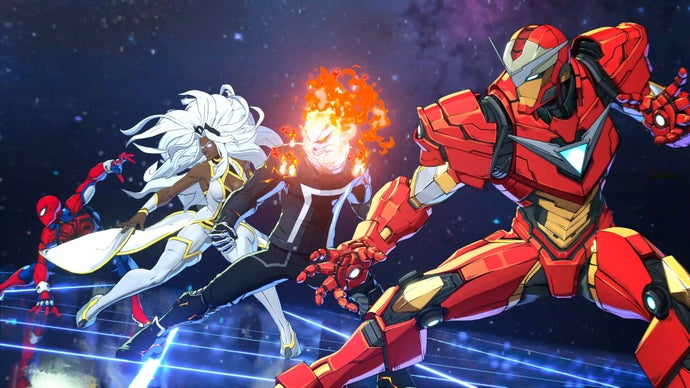
Image: courtesy of EuroGamer
Marvel Tōkon: Fighting Souls Sees Strong Console Debut Marred by PC Launch Issues
Marvel Tōkon: Fighting Souls, the new 4v4 tag-team fighter from Arc System Works and Sony, sold nearly half a million copies in its first week, a figure largely driven by PlayStation 5 sales. The game's PC version faced significant performance problems at launch, which analysts suggest suppressed its overall sales potential and has created a split narrative for its initial market reception.
Outlook
Background
The fighting game genre operates on a unique cadence, often relying on a dedicated player base and a robust competitive scene for long-term viability. Initial sales figures provide a snapshot, but player retention, post-launch support, and community engagement are crucial. Marvel Tōkon: Fighting Souls, developed by Arc System Works, known for critically acclaimed fighters like Guilty Gear and Dragon Ball FighterZ, entered a competitive market with the backing of the globally recognized Marvel brand and Sony's publishing might. Its reported sales of 485,000 copies in its first week are a substantial opening, especially for a niche genre, but the widespread reports of PC performance issues introduce a significant challenge.
Precedents
Launch-day performance problems, particularly on PC, are not new to the gaming industry. Titles ranging from Cyberpunk 2077 to Batman: Arkham Knight have faced similar technical hurdles, often resulting in immediate negative press, user review bombing, and a dip in sales for the affected platform. The common pattern sees developers issue rapid patches to address critical issues. If these patches are effective and timely, a game can often recover its reputation and sales trajectory on the troubled platform, sometimes even fostering goodwill for the commitment to improvement. However, persistent issues can permanently alienate a segment of the player base, leading to a smaller, more fragmented community and reduced long-term revenue from that platform. The fighting game community, in particular, is sensitive to performance, as frame rates and input lag directly impact competitive play.
The split performance of Marvel Tōkon: Fighting Souls matters for several reasons. For Arc System Works, it tests their reputation for polished fighting game experiences, particularly on PC, a platform where their previous titles have generally performed well. For Sony, as the publisher, it highlights the operational complexities of multi-platform launches and the need for robust quality assurance across all platforms. For the Marvel brand, it represents a missed opportunity to fully capitalize on initial hype, potentially dampening enthusiasm for future gaming collaborations if technical issues persist. Most importantly, for players, it means a fragmented experience, where console players are enjoying a stable launch while PC players contend with technical frustrations. This dynamic could hinder the growth of a unified competitive scene, which is vital for a fighting game's longevity.
Scenarios
AnalysisOne immediate outcome is that Arc System Works will likely dedicate significant development resources to patching the PC version. This could involve several rounds of updates aimed at improving frame rates, resolving crashes, and optimizing various hardware configurations. Success in this area could lead to a 'redemption arc' for the PC version, drawing back players and boosting sales in the medium term, potentially strengthening the game's overall competitive community.
Alternatively, if the PC issues prove more complex or take longer to resolve, the game's PC player base could shrink further. This might force Arc System Works and Sony to focus their post-launch support, including competitive events and content updates, primarily on the PlayStation platform where the game has already found a stable audience. Such a scenario could lead to a less vibrant PC competitive scene and a perception that the game is primarily a console title, despite its multi-platform launch.
A third possibility is that the initial negative sentiment from the PC launch could spill over, subtly impacting overall perception even among console players or those considering a purchase later. While PS5 sales were strong, a persistent narrative of a 'buggy launch' could deter some potential buyers who might be waiting for broader critical consensus or price drops. This could lead to a slower long-term sales tail, despite the initial console success, if the game struggles to shake off its early technical reputation.
Timeline
2025-06-04
Game Announced
Marvel Tōkon: Fighting Souls was officially announced during a PlayStation State of Play presentation, accompanied by a developer documentary. The reveal confirmed PlayStation Studios, Arc System Works, and Marvel Games as key partners.
2025-08-01
Public Debut at EVO 2025
The game made its first public appearance at the Evolution Championship Series (EVO) 2025, featuring a playable demo for attendees. This allowed the fighting game community to get hands-on with the title ahead of its release.
2026-08-14
Official Launch & First Week Sales Report
Marvel Tōkon: Fighting Souls launched on PS5 and PC. Initial reports confirmed nearly 485,000 copies sold in its first week, with most sales occurring on PS5 due to reported performance issues on the PC version. The game debuted at number 17 in the U.S. and number 6 in the U.K. sales charts.
Frequently Asked Questions
It is a 4v4 tag-team fighting game, developed by Arc System Works, known for its distinct anime art style and complex fighting mechanics in titles like Guilty Gear and Dragon Ball FighterZ. It features characters from the Marvel universe.
Discussion
Be the first to share your thoughts.