
Keychron's experimental mini keyboard, featuring a built-in microphone, wireless connectivity, a scroll wheel, and three programmable buttons, represents a direct response to the growing presence of AI in creative and productivity workflows. The company is actively seeking user feedback on this concept, suggesting a cautious approach to development. If the feedback is positive and Keychron decides to move forward, we could see a new category of AI-centric peripherals emerge, designed to streamline voice-based interactions with digital assistants directly from the desktop. However, the path from concept to widespread adoption is fraught with challenges, including user acceptance, ergonomic considerations, and the actual perceived value this dedicated hardware brings over existing software solutions.
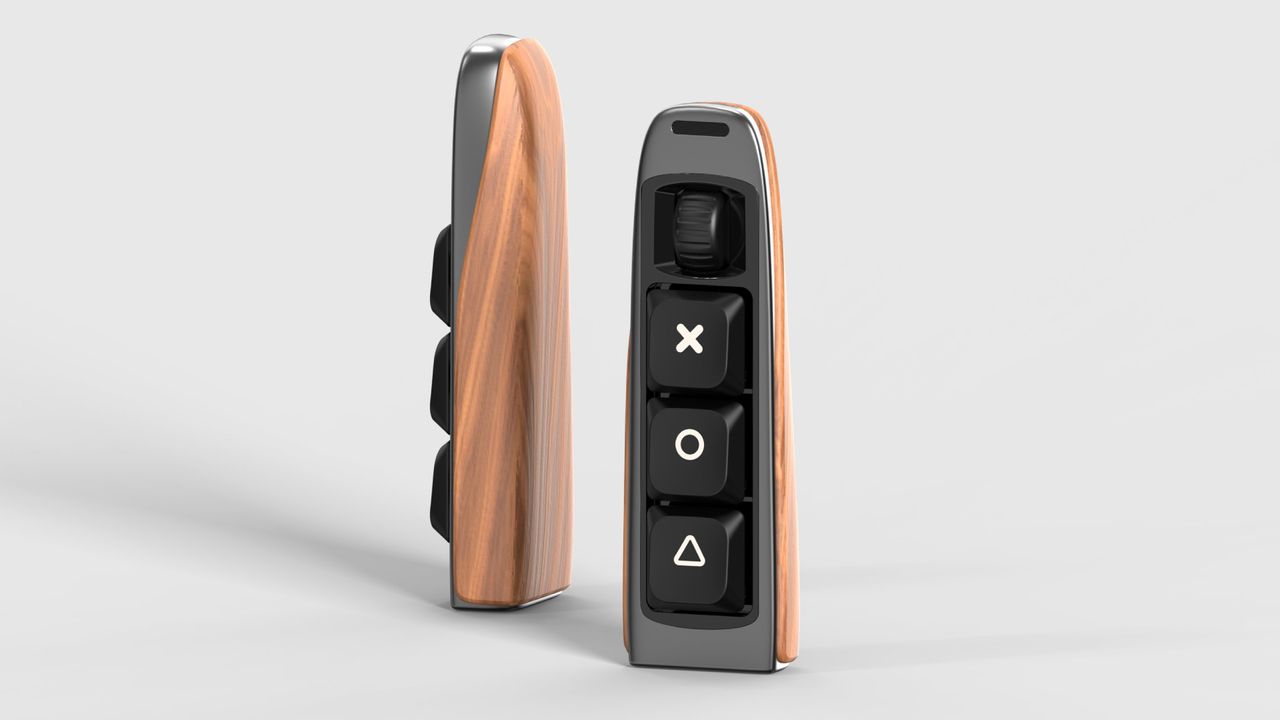
Image: courtesy of PC Gamer
Keychron's AI Keyboard Experiment: What It Means for Your Desk and Your Workflow
Keychron, a prominent mechanical keyboard manufacturer, is currently exploring a concept for a compact keyboard equipped with a built-in microphone. This device aims to allow users to directly interact with AI agents while working, particularly during coding sessions, without needing to switch applications. The move comes as the tech industry increasingly integrates AI into everyday hardware, raising questions about practical utility versus novelty in peripheral design.
Outlook
Background
The tech world has been abuzz with artificial intelligence for several years, moving from specialized applications to mainstream tools like ChatGPT and Gemini. This shift has created a demand for more intuitive ways to interact with AI agents, especially for users who spend their days in front of a computer screen. Voice commands, while common in smart speakers and mobile devices, have not fully permeated the desktop computing experience as a primary input method for complex tasks. This is largely due to the traditional dominance of keyboard and mouse, coupled with privacy concerns and the potential for background noise interference.
Keychron itself has established a strong reputation in the mechanical keyboard market, known for its customizable, high-quality, and often aesthetically pleasing designs that cater to enthusiasts and professionals alike. The company's product line, which includes a range of form factors and switch types, has made it a go-to brand for users seeking a premium typing experience. At CES 2026, for instance, Keychron launched its Q Ultra 8K Series, demonstrating a consistent commitment to innovation within its core product offering. Their foray into an AI-focused peripheral suggests an effort to remain at the forefront of hardware trends, even if it means venturing into less conventional territory.
The specific concept, a 'mic-equipped mini keeb,' targets a niche but influential user base: coders, particularly those engaged in 'vibe coding,' a term that implies a state of deep focus and creative flow. The idea is to allow seamless verbal queries to an AI agent for code suggestions, debugging, or information retrieval without interrupting the coding environment by switching windows or reaching for a separate microphone. This addresses a real pain point for developers: context switching, which can significantly disrupt productivity and mental flow.
Precedents
The history of human-computer interaction is littered with attempts to simplify and naturalize how we communicate with machines. Voice input, in particular, has seen several cycles of enthusiasm and tempered adoption. Early speech recognition software, while groundbreaking, often struggled with accuracy and required extensive training. More recently, the advent of powerful AI models has dramatically improved the reliability of voice commands, leading to the widespread success of virtual assistants like Amazon's Alexa, Apple's Siri, and Google Assistant.
However, dedicated voice input devices for desktop productivity have largely remained niche. While headsets with microphones are common in professional settings, and webcams often include built-in mics, a standalone, keyboard-integrated microphone for AI interaction is a relatively new proposition in the mainstream peripheral market. Past attempts to integrate novel input methods directly into keyboards, such as touchpads or specialized macro keys, have met with mixed success. Some have become standard, while others faded due to lack of widespread utility or poor ergonomic integration.
The broader trend of 'smart' peripherals, where devices gain enhanced connectivity and AI capabilities, is also relevant. We've seen smart mice, smart desks, and even smart chairs. The driving force behind these innovations is often the promise of increased productivity or a more seamless user experience. Yet, the market is also wary of 'feature creep' – adding functionalities that don't genuinely solve a problem but rather complicate the user experience or inflate costs without tangible benefits. The challenge for Keychron, and any company exploring such a device, is to prove that this integrated microphone isn't just a gimmick, but a genuinely useful addition that streamlines the workflow in a way that software alone cannot achieve.
This experiment matters because it represents Keychron's attempt to define a new category of input devices in the age of generative AI. For users, particularly coders and other knowledge workers, it promises a more fluid interaction with AI agents, potentially reducing the cognitive load associated with switching between applications or input methods. If successful, it could set a precedent for how desktop peripherals evolve, pushing other manufacturers to consider integrating similar AI-centric features.
From a market perspective, this move could differentiate Keychron in an increasingly crowded mechanical keyboard space. By tying its brand to AI innovation, Keychron aims to appeal to early adopters and professionals looking for cutting-edge tools. However, the stakes are high. If the concept fails to resonate, it could be seen as an expensive misstep, diverting resources from core product development. The success or failure of this 'mic-keeb' could influence broader investment into AI-integrated hardware across the peripheral industry, shaping whether we see more voice-enabled keyboards, mice, or other desktop tools in the coming years. It also forces a conversation about the optimal balance between hardware and software in delivering AI capabilities – is a dedicated piece of hardware truly necessary, or can software updates to existing devices achieve the same, if not better, results?
Scenarios
Analysis1. Niche Adoption and Iteration: Keychron receives a mix of positive and critical feedback, leading them to refine the concept. The product, if released, might find a dedicated following among specific user groups, like coders or content creators, who value the integrated AI interaction. This could lead to subsequent iterations with improved features and broader compatibility, but it may not become a mainstream success.
2. Broader Market Influence: Should Keychron successfully launch the product and demonstrate its practical utility, other peripheral manufacturers could quickly follow suit. This would validate the market for AI-integrated input devices, leading to a proliferation of similar products from competitors. This outcome would mark a significant shift in desktop peripheral design, with voice interaction becoming a standard feature across many keyboards and mice.
3. Concept Shelf Life: The experiment might not progress beyond the concept phase. Keychron could conclude that the demand is insufficient, the technical challenges (such as noise cancellation or privacy concerns) are too great, or that existing software solutions adequately address the need. In this scenario, the 'mic-keeb' would remain an interesting but ultimately unreleased design study, serving as a footnote in the history of AI hardware experimentation.
4. Integration into Existing Products: Rather than a standalone mini-keyboard, Keychron might choose to integrate the mic and programmable AI buttons into larger, more feature-rich keyboards in their existing lineup, such as their Q series. This would allow them to test the feature with a broader user base without creating an entirely new product category, potentially mitigating risk while still offering AI interaction.
Timeline
Frequently Asked Questions
Discussion
Be the first to share your thoughts.