
Players diving into Chapter 2 of Grand Theft Auto 6 will soon encounter a series of optional early-game heists marked after the Coffee Break mission. Among these is the Hit Avery Pawn job located in Port Gellhorn. Rather than relying on static solutions or pre-set puzzle answers found online, players must navigate a tense, interactive encounter where compliance is forced at gunpoint. This guide examines the mechanics behind securing the Avery Pawn Shop safe code, the operational risks of threatening store clerks, and how Rockstar Games structures early criminal enterprises for both Jason and Lucia.
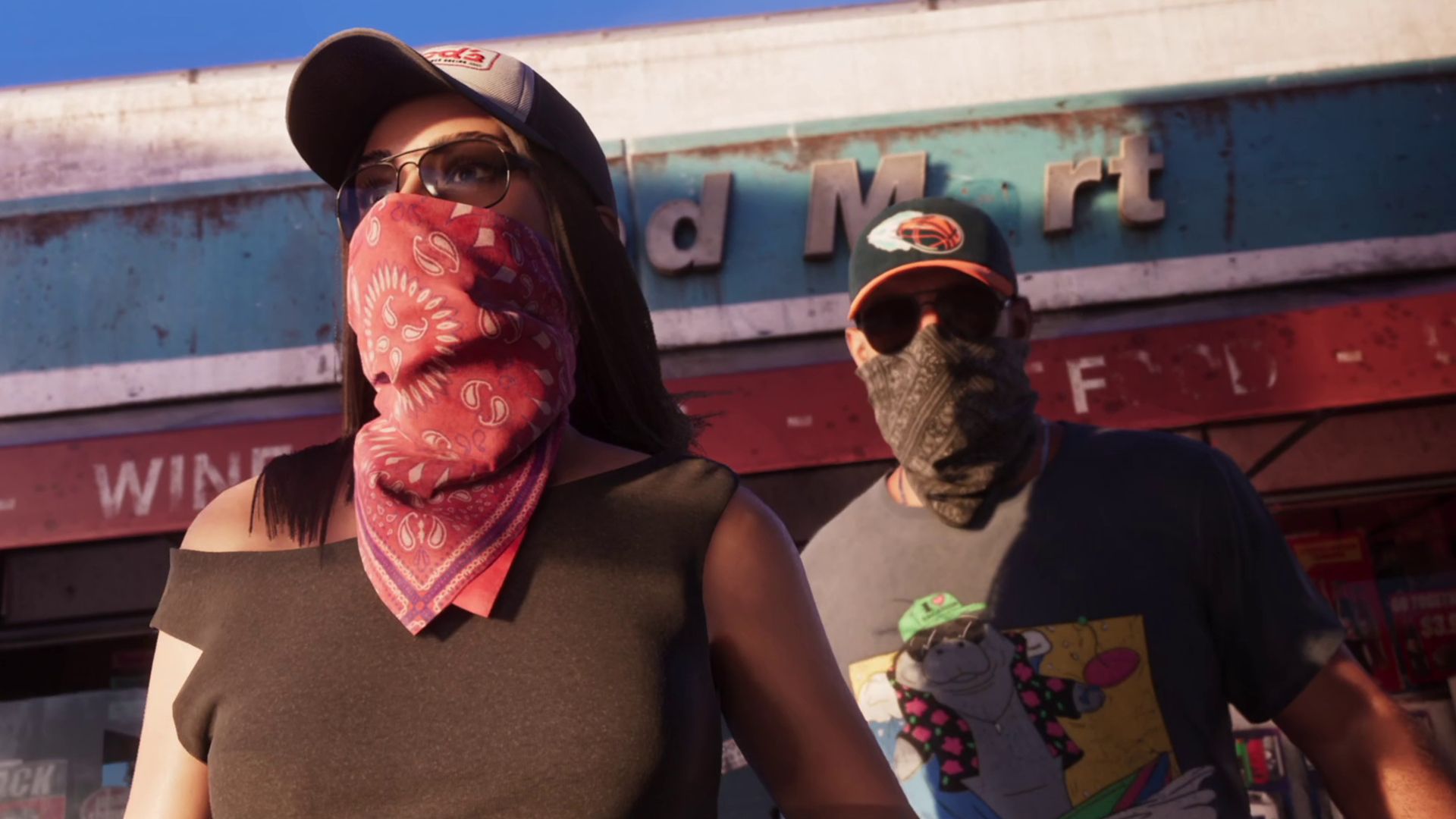
Image: courtesy of PC Gamer
Inside the GTA 6 Avery Pawn Shop Robbery: How the Port Gellhorn Heist Changes Early-Game Economy Management
An analytical look at the Avery Pawn Shop robbery in GTA 6 Chapter 2, examining the mechanics of obtaining the safe code, the randomization of combinations like 6943, and what this optional Port Gellhorn job reveals about Rockstar's evolving heist design.
Outlook
Background
Chapter 2 marks the point where players gain full control over both protagonists, setting off a chain of open-world criminal opportunities across the Leonida map. The Avery Pawn Shop mission acts as a proving ground for the game's updated robbery mechanics. Confirmed details from mission walkthroughs show that players must enter the shop in Port Gellhorn, draw a weapon on the staff, and manage two concurrent objectives: smashing display cases for loose jewelry and coercing the clerk into handing over the back-office safe code. While verified playthrough instances have recorded the code as 6943, industry reporting and player guides confirm that combinations are often randomized per session, forcing players to rely on interactive intimidation rather than rote memorization.
Precedents
Rockstar Games has long utilized dynamic elements in criminal encounters, moving away from the rigid, scripted puzzle solutions seen in older titles like Grand Theft Auto 3 or Vice City. In Grand Theft Auto V, store hold-ups featured compliant clerks who handed over cash registers at gunpoint, but safe cracking remained largely linear or tied to specific multi-stage heists. GTA 6 builds on the systemic robbery mechanics introduced in Red Dead Redemption 2, where NPC reactions vary based on player positioning, weapon choice, and intimidation tactics. The inclusion of randomized safe codes in optional early-game jobs like the Avery Pawn Shop heist suggests a deliberate design choice to reduce predictable farming loops and increase moment-to-moment tension during basic robberies.
Early-game economy balance in open-world titles dictates how quickly players can acquire gear, weapons, and safehouses without hitting financial bottlenecks. In a game as anticipated as Grand Theft Auto 6, optimized routes through optional jobs like the Port Gellhorn pawn shop robbery become immediate focal points for the player community. However, the operational risks are high: threatening staff can trigger sudden hostile AI responses, forcing a firefight before the safe can be cracked or the display cases cleared. Understanding the mechanics of the Avery Pawn Shop job highlights how Rockstar balances high-risk financial rewards with immediate police escalation in Leonida.
Scenarios
AnalysisOne possible outcome is that players successfully intimidate the clerk, secure the randomized safe code, and escape Port Gellhorn before local law enforcement establishes a perimeter, netting a clean early-game payout. Another plausible scenario is that the staff member draws a hidden firearm during the coercion phase, escalating the robbery into a violent shootout that draws high police heat and drains player resources. A third outcome involves players bypassing the safe entirely to grab loose jewelry from the display cases, trading maximum financial gain for a faster, safer exit.
Timeline
November 2026
GTA 6 Chapter 2 Release Unlocks Port Gellhorn Jobs
Players gain full control of Jason and Lucia, unlocking early criminal operations across Leonida, including the option to target the Avery Pawn Shop.
November 2026
Early Mission Guides Document Safe Code Mechanics
Walkthroughs confirm that robbing the Port Gellhorn pawn shop requires weapon intimidation, with specific playthroughs recording codes such as 6943 while noting session randomization.
Frequently Asked Questions
The Avery Pawn Shop is located in Port Gellhorn, appearing as one of the optional robbery locations marked on your map after completing the Coffee Break mission in Chapter 2.
Discussion
Be the first to share your thoughts.