
As millions more players explore the satirical, hyper-realistic environments of Rockstar Games' latest blockbuster, platform holders like Sony and Microsoft face mounting moderation pressure. Automated content flagging and user reports will likely catch thousands of players off guard who assume that an M-rated or adult-rated single-player game grants immunity inside console messaging ecosystems. Platform holders must balance freedom of expression in virtual photography against rigid terms of service that prohibit obscene or pornographic material.
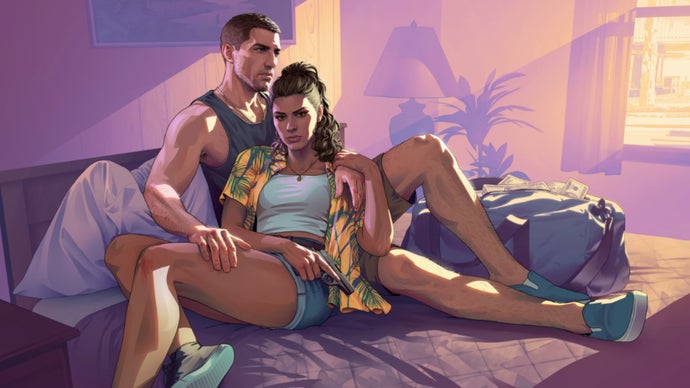
Image: courtesy of EuroGamer
Why Sony Is Banning GTA 6 Players for Sharing In-Game Photos
A Grand Theft Auto 6 player learned the hard way that Sony's automated and user-reported moderation applies to virtual worlds just as strictly as the real internet, receiving a 30-day PlayStation Network ban for sharing a screenshot from an in-game nudist colony. The penalty exposes a persistent friction point between open-world mature gaming design and platform-level conduct rules.
Outlook
Background
Grand Theft Auto 6 features advanced in-game camera mechanics that encourage players to capture memorable, funny, or shocking moments and share them directly with friends or via social channels. However, the PlayStation Network Code of Conduct applies universal standards to all shared media, regardless of its origin inside a fictional video game. When the player shared an image depicting a nudist colony via PSN messages, automated safety filters or peer reports flagged the media, triggering a 30-day social feature suspension. This penalty restricts online messaging and community features while leaving single-player access intact, illustrating how platform operators segment punishments to enforce compliance without entirely cutting off paying customers from offline software.
See also
Precedents
This collision between open-world creative freedom and console moderation is not new. During the launch windows of previous high-profile releases like Red Dead Redemption 2 and Cyberpunk 2077, players frequently encountered automated suspensions or warnings after uploading captured clips featuring explicit content or mature themes directly to platform feeds or sharing them through private chat systems. Console manufacturers have steadily tightened automated screening tools across messaging networks to protect platform brand safety and comply with app store and digital marketplace guidelines.
The tension between developer intent and platform enforcement forces players to navigate two entirely different sets of rules while playing a single game. Rockstar designs virtual spaces to satirise and mirror human society complete with nudity, crude humor, and chaotic behavior, while console makers enforce sanitised digital public squares. For the everyday gamer, this creates an invisible trap where an innocent share between friends can abruptly lock them out of digital libraries, party chats, and social features for a month.
Scenarios
AnalysisSony and Microsoft may implement contextual awareness filters that recognize in-game assets, separating fictional rendered screenshots from real-world photography to reduce false positives. Alternatively, platform holders could double down on strict interpretation of their codes of conduct, placing the entire compliance burden squarely on the player regardless of source material. A third possibility involves developers disabling native platform sharing tools for specific sensitive zones within open-world games to shield players from accidental bans.
Timeline
November 2026
Initial Player Ban Reported
A GTA 6 player receives a 30-day PlayStation Network social ban after sending an in-game screenshot of a nudist colony to a friend via the PSN messaging service.
Coming Months
Community Friction Expected to Rise
As the player base expands and more users experiment with in-game photography tools, support forums and social media channels will likely see an increase in complaints regarding automated console suspensions.
Frequently Asked Questions
No. Penalties of this nature typically restrict online multiplayer access, party chat, and messaging features, but users can still play single-player offline campaigns.
Discussion
Be the first to share your thoughts.